By Fatima Saka
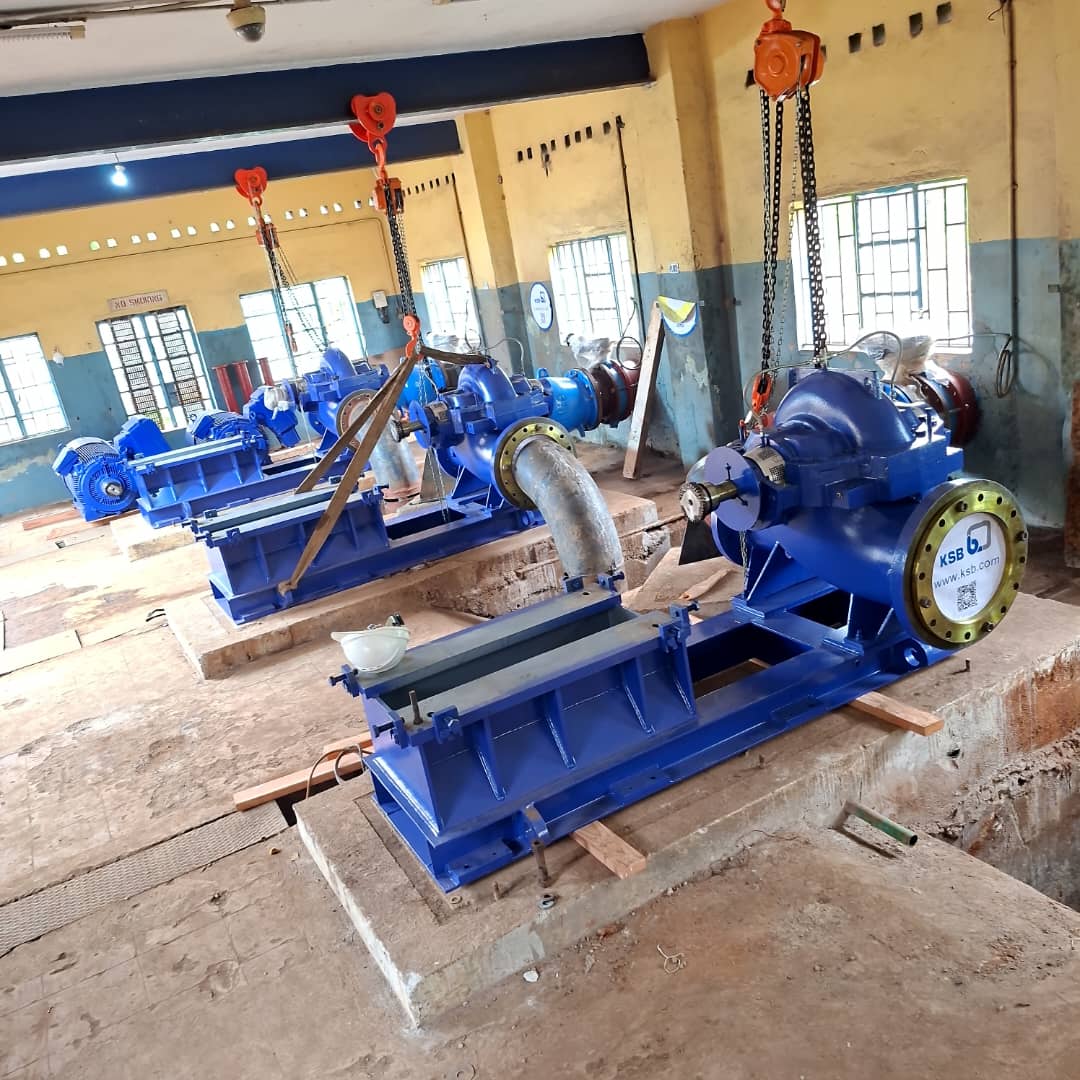
The Lagos State Government has intensified efforts to improve water supply as the Lagos Water Corporation (LWC) begins the installation of new pumps at the Iju Headworks and Akute Water Intake Stations.
The development marks a key milestone in Governor Babajide Olusola Sanwo-Olu’s ongoing investment in water infrastructure aimed at boosting production capacity and expanding access to potable water across the state.
The project, tagged “Rehabilitation of Iju Headworks and Akute Intake Station – Lots 1, 2 & 3,” is part of a broader initiative to modernise critical water facilities, improve operational efficiency and ensure sustainable water supply for Lagos residents.
Funded entirely by the Lagos State Government, the rehabilitation forms a core component of an eight-month programme covering the Iju and Adiyan Water Treatment Plants, scheduled from February to October 2026.
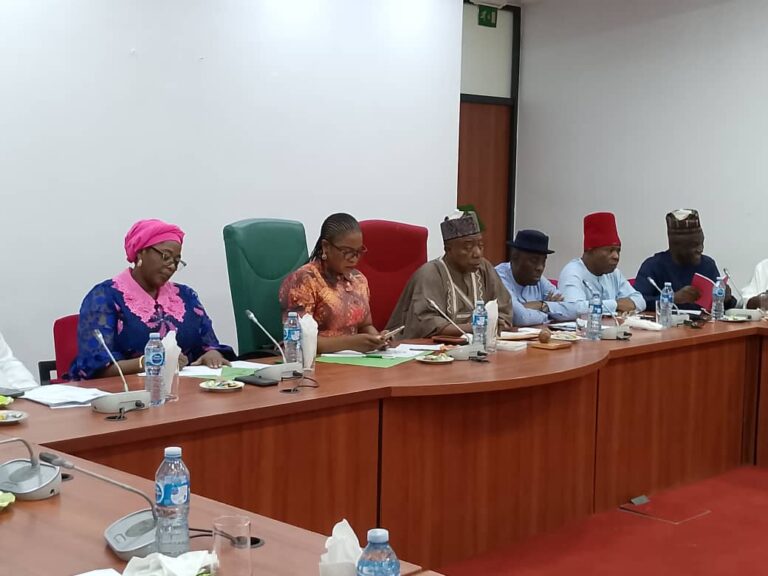
Speaking at the project’s kick-off meeting earlier in the year, Managing Director of LWC, Engr. Mukhtaar Tijani, described the intervention as transformational and aligned with the state’s vision of delivering world-class water services.
Tijani said the upgrade focuses on replacing and improving critical pumping systems and related infrastructure to restore efficiency and strengthen water production capacity.
He stressed that the initiative reflects the state government’s commitment to revitalising water infrastructure and improving access to safe and reliable water supply.
“This project must not be business as usual. We want all hands on deck to ensure timely and successful delivery,” he said.
READ ALSO: VNDC Applauds Gavi’s $500m Boost to Nigeria’s Immunisation, Targets Zero-Dose Children
Dìbò k’ó se’bẹ̀ and the raw reality of politics – (2)
Upon completion, the project is expected to enhance operational performance at both facilities, reduce downtime, increase water output and improve service delivery to millions of Lagos residents.
The Lagos Water Corporation reaffirmed its commitment to supporting the state’s development agenda through sustainable and efficient water services, noting that continued investment in infrastructure remains critical to securing the future of public water supply in the state.
About The Author