The Universal Basic Education Commission (UBEC) has entered into a strategic partnership with the Sultan Foundation for Peace and Development to mobilise traditional and religious leaders in tackling the challenge of out-of-school children across Nigeria.
The partnership, formalised through a Memorandum of Understanding (MoU), will leverage the influence of traditional institutions and grassroots communities to encourage school enrolment, improve attendance and reduce the number of children who drop out of school.
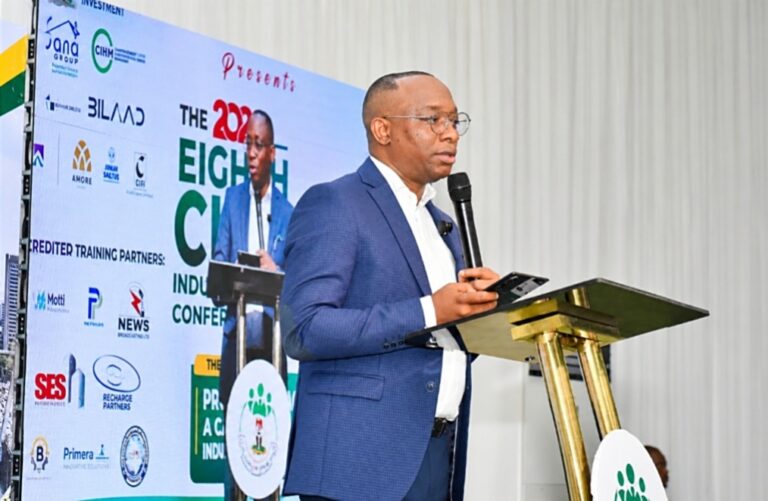
The Executive Secretary of UBEC, Aisha Garba, disclosed this at the MoU signing ceremony, where she was represented by the Deputy Executive Secretary (Technical), Rasaq Akinyemi.
Garba said the agreement reflected the importance President Bola Ahmed Tinubu attaches to education as a foundation for national development and human capital advancement.
She noted that the Renewed Hope Agenda recognises the need for deliberate investment in the education, skills and wellbeing of children and young people.
According to her, UBEC’s interventions are designed to translate the national vision into practical improvements in the basic education system.
Highlighting the Commission’s achievements, Garba disclosed that UBEC, in collaboration with the Federal Ministry of Education and State Universal Basic Education Boards (SUBEBs), had facilitated the construction of over 4,900 classrooms and renovation of existing school facilities nationwide.
She added that the interventions, which also included the provision of water, sanitation and hygiene facilities, had directly benefited more than 2.3 million learners by the end of 2025.
The Executive Secretary said the Commission had also strengthened community-driven school improvement programmes and teacher professional development initiatives to improve teaching and learning outcomes.
She, however, stressed that sustaining the gains in basic education required stronger community ownership and active participation of stakeholders.
Under the new agreement, UBEC and the Sultan Foundation will establish national, state and local coordinating committees to drive education advocacy and grassroots mobilisation, with traditional and religious leaders playing central roles.
The partnership will also support the identification and enrolment of out-of-school children through household-level mobilisation, as well as the development and distribution of advocacy materials in Hausa, Fulfulde and Yoruba languages.
It will further encourage communities to monitor pupils’ attendance, retention and completion, while introducing accountability mechanisms to recognise communities, schools and traditional leaders recording measurable progress in expanding access to basic education.
Garba emphasised that traditional and religious leaders remained indispensable to the initiative because of their influence over community values, family decisions and grassroots mobilisation.
READ ALSO: Africa’s $33.7bn US Exports Expose Manufacturing Gap as China Records $309bn
2027: Umeh Urges Ndigbo to Unite Behind Peter Obi, Warns Against Political Division
She particularly highlighted their role in promoting girls’ education and addressing cultural and social barriers preventing children from accessing and completing their education.
The UBEC boss said the success of the partnership would be measured through increased school enrolment, improved attendance and retention, better learning outcomes and a sustained reduction in the number of out-of-school children.
About The Author