By Fatima Saka
The Federal Government has attracted more than $2.6 billion in private investment into Nigeria’s Compressed Natural Gas (CNG) sector, as the State House converts an abandoned fuel dump in Karu, Abuja, into an integrated refuelling and vehicle conversion facility.
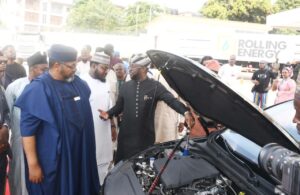
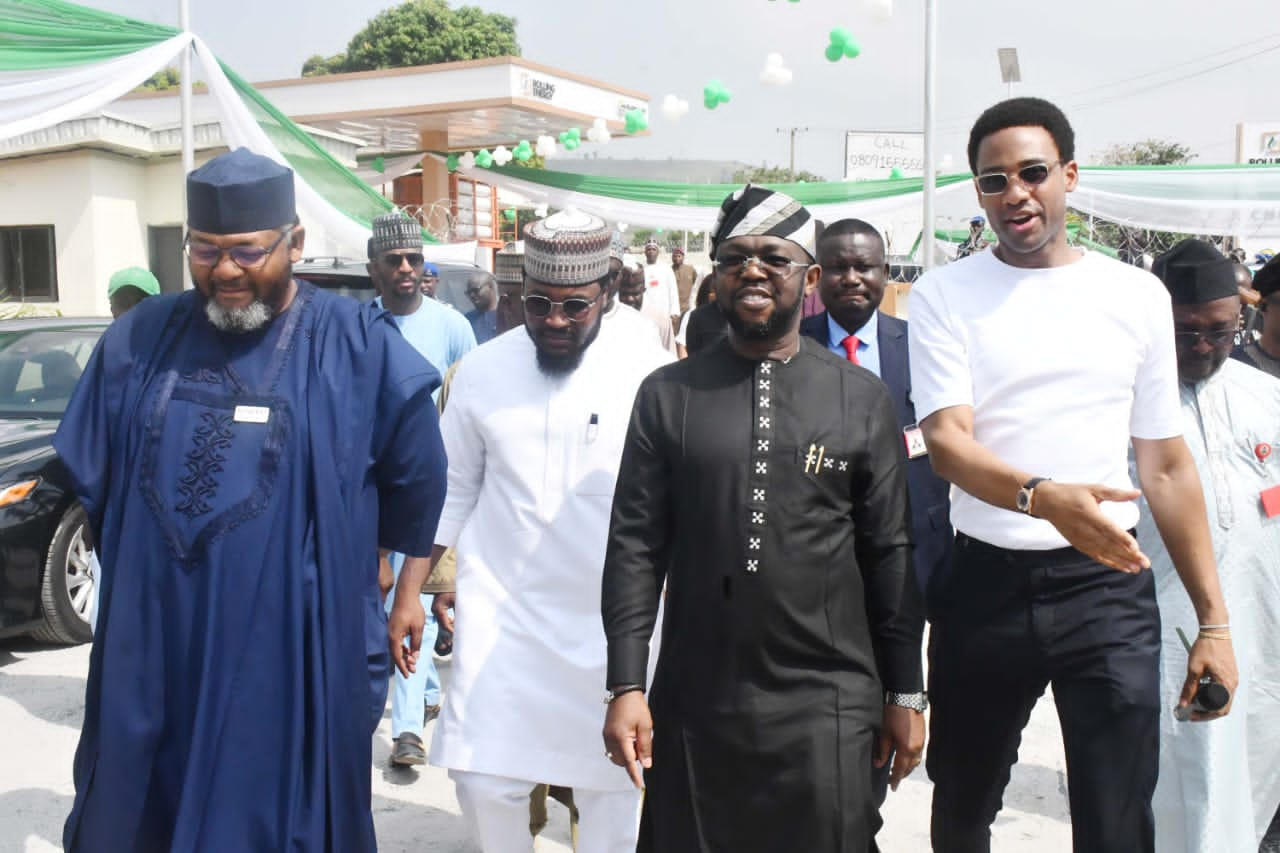
The project, commissioned through a partnership between State House management, the Presidential Compressed Natural Gas Initiative (P-CNGI) and private energy firm Rolling Energy, is part of efforts to accelerate the adoption of cheaper and cleaner vehicle energy following the removal of fuel subsidy.
The Permanent Secretary, State House, Temitope Fadeshemi, said the facility was developed without any financial contribution from the government, explaining that the State House provided the abandoned site while Rolling Energy financed its renovation.
He said the initiative demonstrated the government’s commitment to translating its CNG policy into practical action, adding that the facility would serve the Presidential Villa’s growing fleet of vehicles, staff and other eligible motorists.
Fadeshemi explained that the site had remained abandoned for several decades before the government decided to repurpose it for CNG dispensing and vehicle conversion.
He said the facility would also support the conversion of eligible petrol-powered vehicles to gas-hybrid systems, providing motorists with an alternative to conventional fuel.
According to him, Rolling Energy had demonstrated its commitment to the project by offering free CNG to residents in the surrounding community for more than a week during the testing period.
The Executive Vice Chairman and Chief Executive Officer of P-CNGI, Ismail Ahmed, disclosed that Nigeria now has nearly 160 CNG stations nationwide, less than two years after the initiative commenced its expansion drive.
Ahmed said the sector had attracted more than $2.6 billion in private investments, reflecting growing investor confidence in the country’s gas-powered transportation market.
He added that another 170 stations were at various stages of development or awaiting licensing from the Nigerian Midstream and Downstream Petroleum Regulatory Authority.
Ahmed further disclosed that more than 2,000 infrastructure units ordered by President Bola Tinubu were expected to arrive between late 2026 and early 2027, as part of efforts to expand access to CNG across the country.
He said the expansion was designed to serve Nigeria’s estimated 12 million vehicles and population of more than 220 million, noting that the country was recording rapid adoption of CNG and electric vehicles.
Comparing the pace of expansion with the development of conventional petrol infrastructure, Ahmed said it had taken Nigeria about 60 years to establish 24,000 petrol stations, while the President had directed the provision of an additional 500 CNG fuelling units.
On the economic benefits, he said CNG-powered transport routes were already reducing transportation costs by between 30 and 40 per cent.
He cited the Kano-Katsina route, where fares on CNG-powered buses reportedly dropped from between N3,000 and N4,000 to N1,500.
Also speaking, the Chief Executive Officer of Rolling Energy, Mubarak Dambatta, said the Karu facility featured an Integrated Refuelling Unit with double dispensers and the capacity to serve up to 150 vehicles daily, depending on cylinder sizes and gas pressure.
He explained that the integrated system combined the dispenser and compressor in one unit, allowing motorists to refuel from both sides.
READ ALSO: Kalu Urges Ndigbo to Back Tinubu, Reject Four-Year Presidency Deal
Troops Arrest Suspected Terrorist at Kaduna Hospital, Target Dogo Gide’s Hideouts in Zamfara
Dambatta added that the station also housed a vehicle conversion centre capable of converting up to 12 vehicles daily.
He said the facility would contribute to the Federal Government’s drive to expand CNG infrastructure, particularly along major commercial and high-traffic transportation corridors.
About The Author