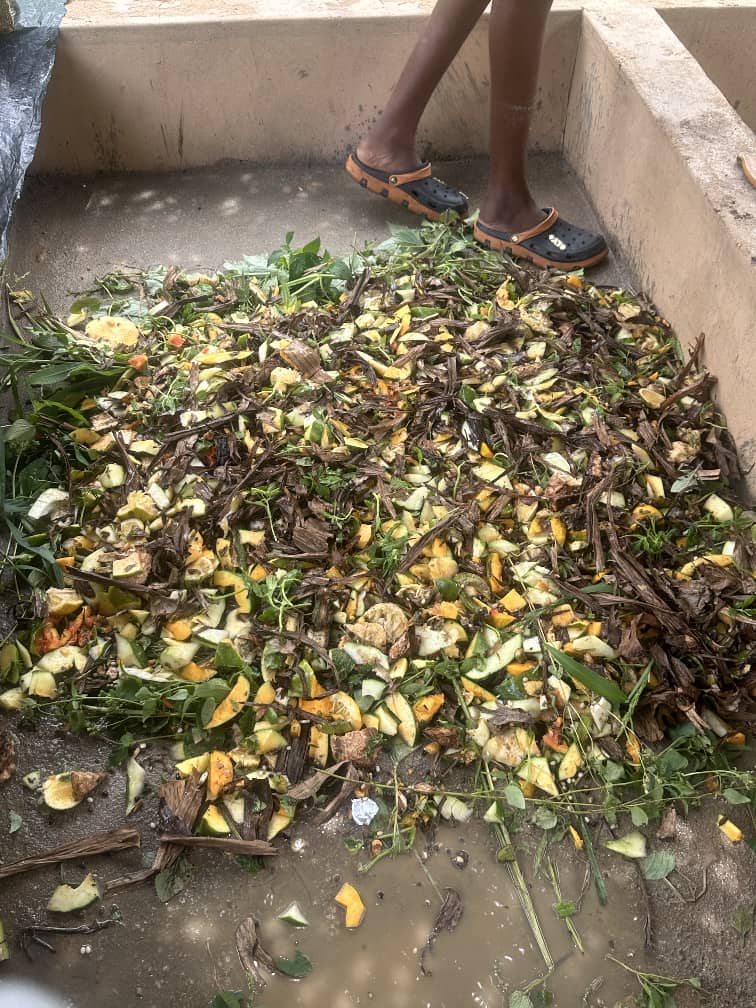
The conversion of organic waste into agricultural manure has yielded approximately one tonne of compost in Akwa Ibom through the RISE Project, an initiative promoting sustainable waste management and economic inclusion of informal waste workers.
The project, which seeks to transform organic waste into useful agricultural resources, has distributed the harvested compost to farmers, market women, informal waste workers and other community members to encourage its adoption in farming and reduce environmental pollution.
Project Coordinator, Priscillia Oku, said the initiative combined practical compost production with community training, environmental education, school awareness programmes and market engagements to promote responsible waste management.
The project is implemented by the Association of Scrap and Waste Pickers of Lagos (ASWOL), with support from UMI Microgrants.
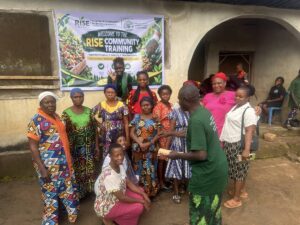
Oku disclosed that the major community training took place on October 15 at Ikot Akpa Edok, Ndiya, Ikono Local Government Area of Akwa Ibom State, bringing together schoolchildren, community leaders, farmers, waste workers, market women and youths.
She explained that the initiative was designed to demonstrate how organic materials commonly discarded as waste could be converted into valuable compost for agricultural production while creating opportunities for informal waste workers to participate more actively in environmental management.
According to her, the composting exercise encountered challenges, particularly difficulties in securing a suitable and affordable site and persistent rainfall, which affected the implementation schedule.
Despite the setbacks, the compost matured successfully, resulting in the harvesting of approximately one tonne for distribution to beneficiaries across the community.
Some of the harvested compost was also applied on a farm to demonstrate its practical benefits and potential application in improving agricultural activities.
Beyond compost production, the RISE Project organised environmental education sessions in schools to sensitise students on proper waste disposal, organic waste management and the importance of protecting their environment.
Market engagements were also conducted to encourage traders and other stakeholders to adopt better waste-handling practices and explore ways of turning organic materials into productive resources.
However, the project team identified difficulties in securing government approvals for visits to some schools, accessing markets and reaching relevant government officials as some of the obstacles encountered during implementation.
Oku said the engagements had generated interest among some schools and farmers, with requests for more personalised training to deepen their understanding of composting and sustainable waste management.
The initiative also places emphasis on recognising informal waste workers as important contributors to environmental protection through their daily activities in recovering and managing recyclable materials.
It seeks to strengthen their participation in community-based waste management while building connections between waste workers and farmers through the production and distribution of organic compost.
READ ALSO: Nigeria’s Teqball World Championship Ticket Up for Grabs 53 Players Converge on Abia
Sterling Oil, VCDF Reach 3,012 Students, 190 Teachers in Education Drive
The next phase of the project is expected to expand composting activities, extend practical training to more community members and sustain the participation of informal waste workers.
The project demonstrates how community-driven waste management initiatives can address environmental pollution, reduce the volume of organic waste sent to disposal sites and provide useful agricultural materials, while creating opportunities for groups often excluded from formal waste management systems.
About The Author