
By Fatima Saka
The Federal Government has raised concerns over the increase in neonatal mortality in Nigeria, calling for stronger preventive healthcare, early disease detection and improved access to quality medical services to protect newborns and other vulnerable populations.
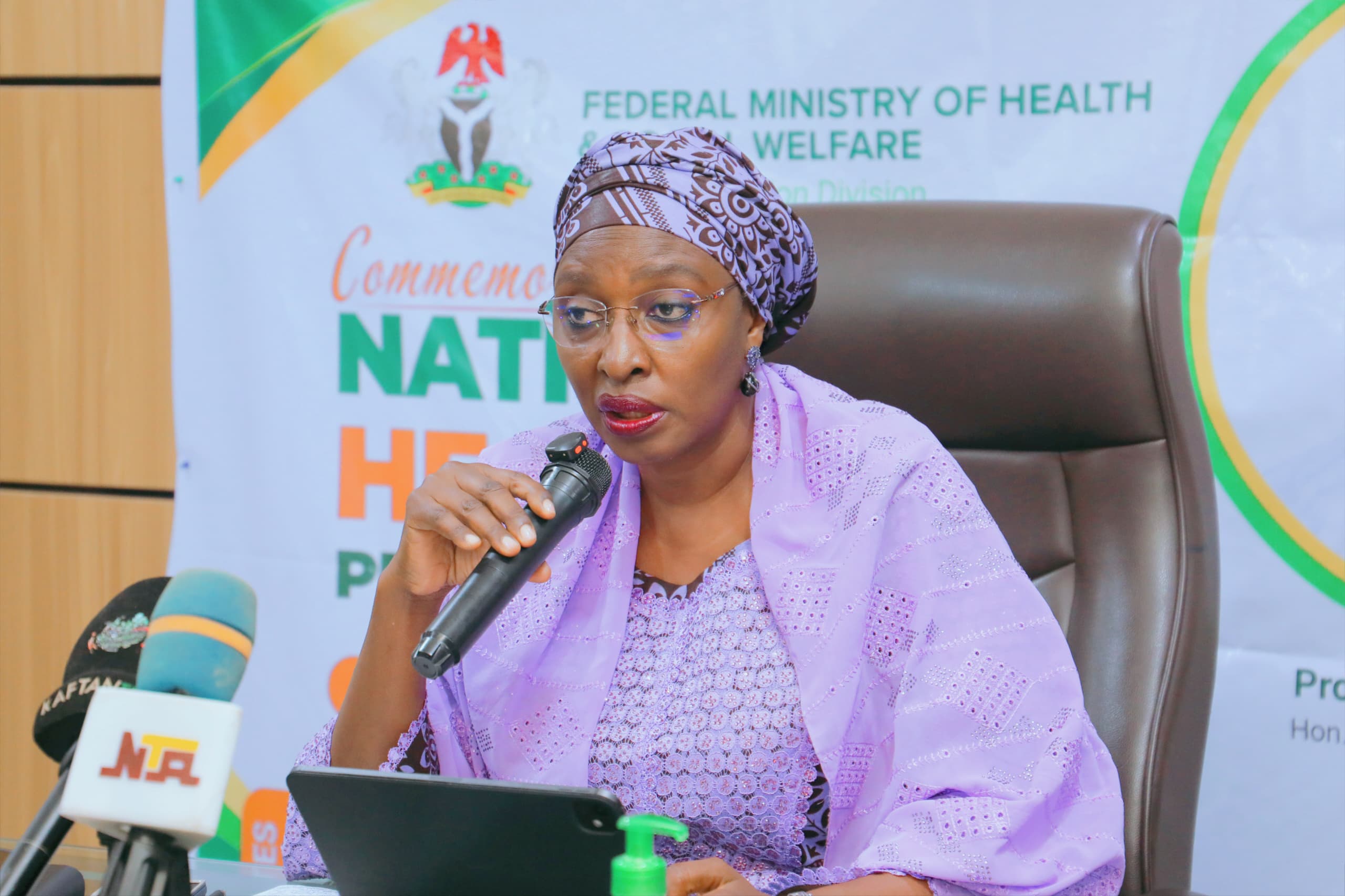
The Coordinating Minister of Health and Social Welfare, Prof. Muhammad Ali Pate, disclosed this while delivering his keynote address at the commemoration of the 2026 National Health Promotion Day in Abuja on Thursday.
Pate, who was represented by the Permanent Secretary of the Ministry, Daju Kachollom S. mni, cited the 2024 Nigeria Demographic and Health Survey, which showed that neonatal mortality increased from 39 deaths per 1,000 live births in 2018 to 41 in 2024, despite a decline in under-five mortality from 132 to 110 deaths per 1,000 live births within the same period.
He said the figures highlighted the need for Nigeria to strengthen preventive healthcare, improve early diagnosis and ensure timely access to quality health services, particularly for newborns and other vulnerable groups.
The minister spoke under the theme, “Health Promotion: Owning My Health,” with the slogan, “Take Charge, Live Well,” as Nigeria marked the third National Health Promotion Day.
He described health promotion as a strategic investment in the country’s health system, stressing that national health outcomes depend not only on the availability of hospitals but also on preventive interventions, informed personal decisions, healthier environments and systems that promote citizens’ wellbeing.
According to him, the Federal Government remains committed to advancing the Health Sector Renewal Investment Initiative, with emphasis on improving maternal and child health, strengthening primary healthcare, expanding immunisation, tackling non-communicable diseases and reducing the burden of HIV, tuberculosis and malaria.
Pate listed ongoing preventive health interventions to include hypertension detection, hepatitis elimination through initiatives such as Project 365, cervical cancer prevention and screening, improved nutrition, immunisation and measures to prevent and control communicable diseases.
He, however, stressed the need to measure the effectiveness of these interventions through tangible outcomes, including increased screening, completed referrals, access to treatment and the prevention of avoidable illnesses.
The minister warned that public awareness campaigns alone would not deliver the desired results without accessible, affordable and effective healthcare services.
He explained that Nigerians must be able to access screening, obtain appropriate treatment and receive safe and respectful care for health promotion efforts to translate into improved health outcomes.
Pate added that health promotion and patient safety were complementary responsibilities in building a people-centred health system.
He called for stronger collaboration among families, schools, workplaces, traditional and religious institutions, the media, civil society organisations, development partners and the private sector to encourage healthy diets, physical activity, good hygiene, mental wellbeing, vaccination and appropriate medical screening.
He also urged stakeholders to intensify efforts to address misinformation and harmful health practices that could discourage people from seeking appropriate medical care.
The minister called on federal, state and local governments to integrate health promotion into routine primary healthcare delivery, community engagement and development planning.
He emphasised that vulnerable and underserved populations must not be excluded from preventive health services.
Pate urged Nigerians to embrace the campaign slogan, “Take Charge, Live Well,” by seeking credible health information, understanding their health risks, participating in recommended screening and immunisation programmes, and seeking medical attention promptly when necessary.
He said the success of health promotion should ultimately be measured by the number of lives protected, illnesses prevented and improvements recorded in the health outcomes of Nigerians.
In their goodwill messages, development partners and civil society organisations reaffirmed their commitment to supporting the Federal Ministry of Health and Social Welfare in advancing health promotion initiatives.
They also commended the ministry for institutionalising the National Health Promotion Day as part of efforts to encourage healthier behaviours and strengthen public participation in healthcare.
The representative of the United Nations Population Fund (UNFPA), Dr. Olukunle Omotoso, emphasised the importance of community engagement, health literacy, gender equality and access to sexual and reproductive health services, particularly for women and young people.
Similarly, CARE International, through its representative, Oluloto Ebenezer, pledged continued support for initiatives aimed at changing health-related behaviours at the community level.
Other stakeholders, including the Africa Health Budget Network (AHBN), underscored the importance of family planning, healthy nutrition and routine screening for hypertension and diabetes.
READ ALSO: NTDs: Nigeria’s 2030 Elimination Target Threatened by Funding Gaps, Drug Shortages
The Permanent Secretary, Daju Kachollom, encouraged participants at the event to take advantage of the screening services provided at the venue, describing the initiative as part of efforts to promote early detection and encourage Nigerians to take greater responsibility for their health.
She urged Nigerians to make preventive healthcare a regular practice rather than waiting until illnesses become severe before seeking medical attention.
About The Author


1 thought on “Nigeria’s Rising Neonatal Deaths Expose Gaps in Preventive Healthcare — FG”