By Fatima Saka
Abuja, Nigeria — Sixteen Nigerian journalists have secured media story grants under the Secure Energy Programme to deepen reporting on renewable energy, energy access, and sustainable development across the country.
The initiative, sponsored by Solar Power Nigeria in partnership with the Global Initiative for Food Security and Ecosystem Preservation (GIFSEP), aims to strengthen public awareness and accountability in Nigeria’s clean energy transition.
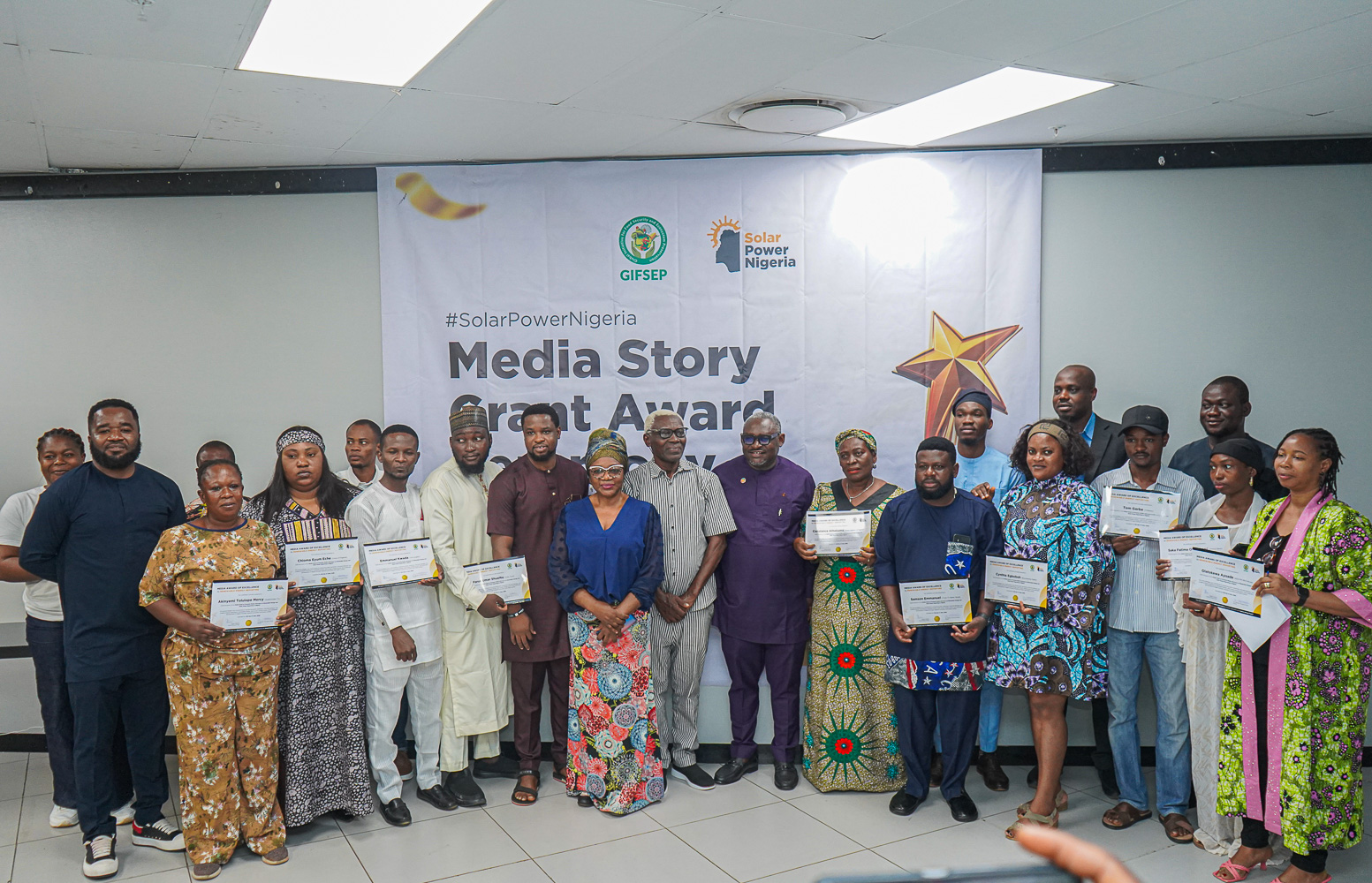
The grants were presented at the Media Story Grants Award ceremony held in Abuja on Friday, as part of efforts to strengthen investigative journalism and amplify public discourse on Nigeria’s energy transition.
Speaking at the event, the Nigeria Campaign Director of the Secure Energy Project and member of the Solar Power Nigeria Coalition, Mr Joseph Ibrahim, said the initiative was designed to boost clean energy adoption through strategic media engagement.
He explained that the programme aligns with global efforts to promote clean energy consumption while addressing Nigeria’s unique energy challenges.
“The Secure Energy Programme is about working across the globe to ensure clean energy consumption. In Nigeria, our focus is to accelerate clean energy adoption and push for structured policy frameworks that guarantee energy access for all,” Ibrahim said.
He noted that energy remained central to Nigeria’s economic growth and security, lamenting that millions of citizens still lacked adequate access to electricity.
According to him, over 25 million Nigerians are without access to energy, limiting their productivity and economic potential.
“It is difficult to discuss Nigeria’s economic and security challenges without addressing energy. For decades, energy access has remained inadequate for over 200 million people, and this must change.
“When we talk about energy, we are referring to the capacity for people to do more. Denying millions access to energy means limiting their opportunities,” he added.
Ibrahim said the media grants were introduced to support journalists in conducting investigative and data-driven reports on clean energy issues, including barriers to renewable energy adoption and success stories across communities.
He stressed that the initiative would help amplify grassroots voices and deepen national conversations around energy access.
Also speaking, the Executive Director of the Global Initiative for Food Security and Ecosystem Preservation (GIFSEP), Dr Michael Terungwa David, described renewable energy as a readily available resource Nigeria must fully harness.
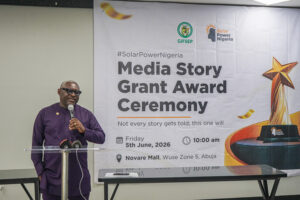
“Nigeria is blessed with abundant sunshine. Solar energy is free and accessible, yet we are not maximising its potential. We must invest in local manufacturing and build capacity before implementing policies like banning solar imports,” he said.
David cautioned that while promoting local production was necessary, premature restrictions on solar imports could make renewable energy unaffordable for many Nigerians.
He emphasised the need for a phased approach that balances local industry development with energy accessibility.
He added that the media support initiative would enable journalists to investigate key questions, including why Nigeria has yet to fully transition into a solar-powered economy despite its vast renewable resources.
He disclosed that the programme would expand in the coming years, with plans to support more journalists and facilitate participation in global climate events such as COP32 scheduled to hold in Ethiopia.
READ ALSO: AMURIC, Not MURIC, Issued Joint Statement with Fulani Group — Islamic Organisation Clarifies
Group Hails Youmor @70th, Commends Lifetime of Peace, Service
The event featured the presentation of grants to selected journalists from various media organisations, recognised for their commitment to advancing public awareness and evidence-based reporting on renewable energy and sustainable development.
Organisers urged the beneficiaries to utilise the grants effectively and deliver impactful stories that would drive policy engagement and public understanding of clean energy issues in Nigeria.
About The Author