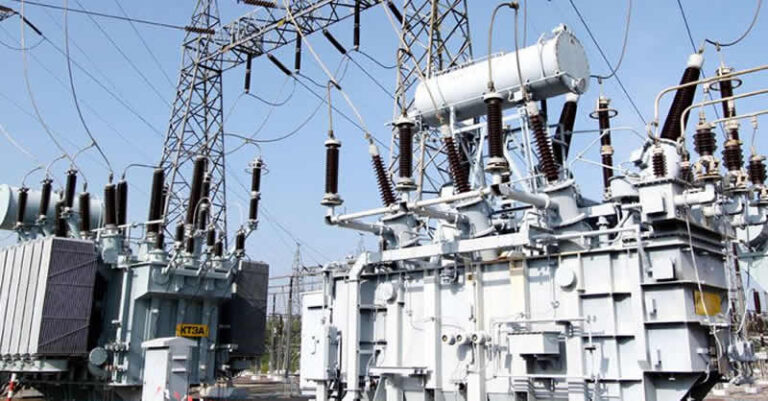
Abuja, Nigeria — The Federal Government has cancelled the remaining $717.7 million loan from the World Bank earmarked for Nigeria’s power sector, effectively ending a major electricity recovery programme ahead of schedule amid persistent challenges in the industry.
Documents released by the World Bank indicate that both parties mutually agreed to discontinue the funding arrangement after Nigeria failed to meet key reform conditions tied to the disbursement of the facility.
The loan formed part of the Power Sector Recovery Performance-Based Operation, a programme introduced to improve electricity supply, strengthen the sector’s financial viability, and drive critical reforms. Initially approved in 2020 with $752.5 million, the World Bank later expanded the package in 2023 with an additional $763.5 million, bringing the total value to approximately $1.52 billion.
However, the bank’s latest restructuring report revealed that the additional financing failed to meet major performance benchmarks required for further disbursement. Consequently, the World Bank confirmed that no further payments would be made under the programme, with only about nine per cent of the additional financing released before its cancellation.
The bank also adjusted the project’s closing date from June 2027 to May 2026, effectively terminating the initiative earlier than planned.
Despite years of reforms and multiple intervention efforts, Nigeria’s electricity sector continues to face deep-rooted structural issues. The World Bank identified weak distribution infrastructure, transmission constraints, poor revenue collection, and significant tariff shortfalls as major obstacles hindering progress.
The situation, according to the report, worsened following the liberalisation of Nigeria’s foreign exchange market in 2023, which led to a sharp depreciation of the naira and increased the cost of gas used in power generation.
With over 70 per cent of electricity generation dependent on gas priced in U.S. dollars, the mismatch between rising operational costs and largely static electricity tariffs has widened the financial gap in the sector.
READ ALSO: NUPRC Boss Raises Alarm Over Skills Gap in Nigeria’s Upstream Oil Sector
NESREA Inaugurates CCUS Working Group to Drive Nigeria’s Low-Carbon Industrial Transition
The report highlighted a significant increase in tariff shortfalls, which rose from N140 billion in 2022 to about N1.9 trillion in both 2024 and 2025, placing additional strain on government finances.
Describing the programme’s performance as “Moderately Unsatisfactory,” the World Bank underscored the urgent need for comprehensive reforms to address longstanding inefficiencies and ensure sustainable electricity supply in the country.
About The Author