Kano, Nigeria – Stakeholders across Nigeria’s renewable energy ecosystem have called on the Federal Government to develop a National Renewable Energy Industrialization Roadmap to drive sustainable growth, boost local manufacturing, and expand access to affordable solar energy.
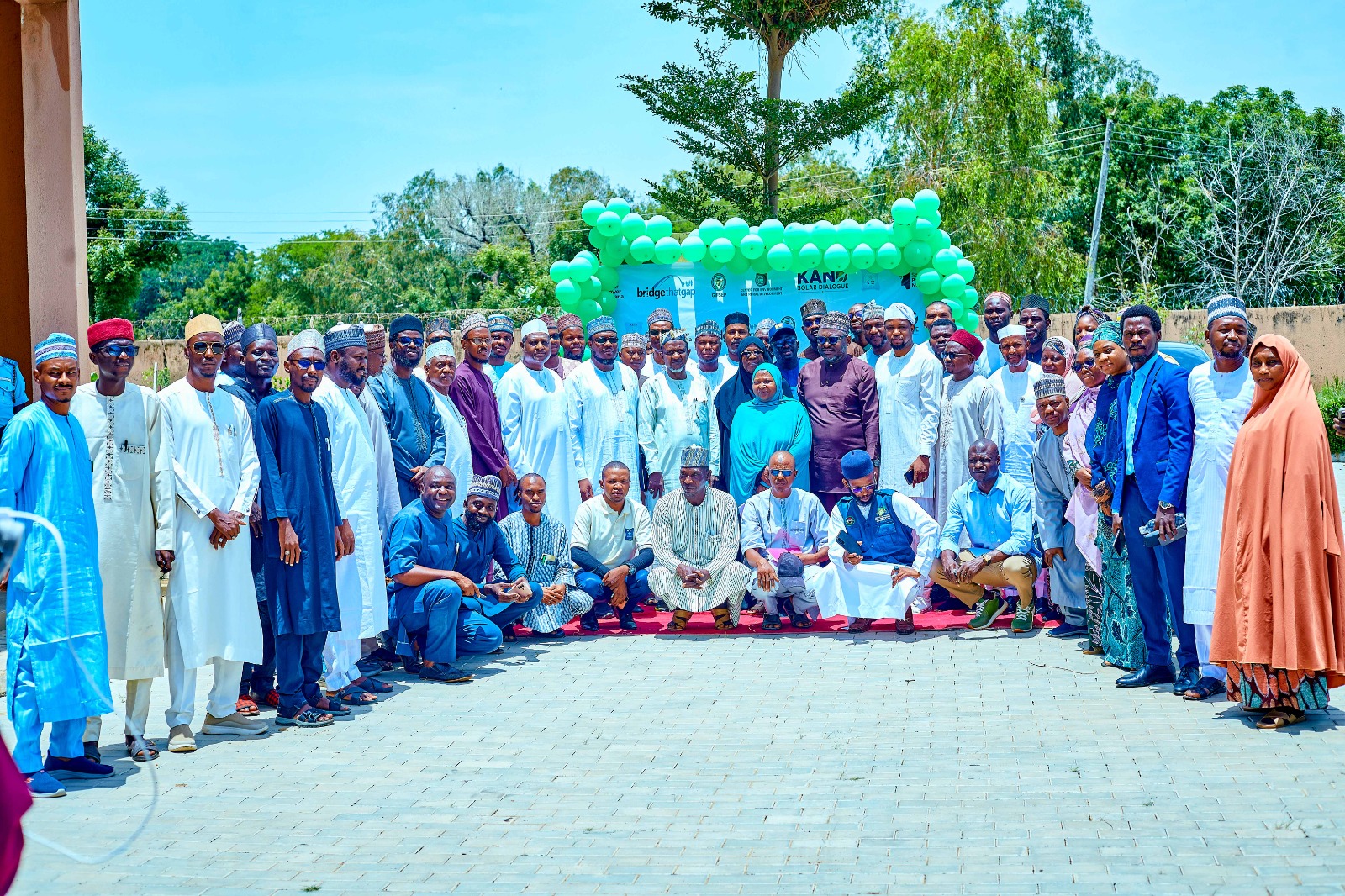
The call was made at the Kano Solar Dialogue 2026, held at the Centre for Renewable Energy and Sustainability Transition (CREST), Bayero University Kano. The event was jointly organized by CREST and the Global Initiative for Food Security and Ecosystem Preservation (GIFSEP) under the Solar Power Nigeria Campaign, bringing together participants from government, academia, industry, finance, and civil society.
Delivering the keynote address, the Executive Director of GIFSEP, Dr. Michael Terungwa David, described Nigeria’s energy landscape as a paradox of abundant resources and persistent energy poverty. He cited a 2025 World Bank report indicating that about 86.8 million Nigerians lack access to electricity, underscoring the urgent need for scalable and sustainable solutions.
Dr. David noted that the rapid adoption of solar energy across households, businesses, and public institutions demonstrates its viability in addressing the country’s electricity deficit. However, he cautioned against a proposed blanket ban on solar panel imports, warning that such a move could hinder renewable energy expansion and worsen energy access challenges.
He advocated for a phased industrialization strategy that balances immediate energy needs with long-term local manufacturing goals. According to him, government policies should prioritize incentives for domestic production, affordable financing, investment in technical capacity, and strengthened quality assurance systems.
The Dialogue also highlighted opportunities created by the Electricity Act 2023, which empowers subnational governments to play a more active role in electricity generation and renewable energy development through decentralized systems.
Participants at the event unanimously agreed on the need for a structured roadmap to guide Nigeria’s renewable energy industrialization. They recommended increased investment in research, innovation, and technical education, alongside fiscal incentives such as tax waivers to stimulate local manufacturing.
READ ALSO: Troops Foil Mass Abduction, Rescue 48 Victims in Zamfara
Stakeholders further emphasized that any future restrictions on solar panel imports should be gradual and aligned with the development of viable domestic production capacity to avoid disrupting access to clean energy.
The Kano Solar Dialogue forms part of the broader Solar Power Nigeria Campaign, an initiative aimed at promoting evidence-based policy engagement, improving industry standards, and supporting Nigeria’s transition to a resilient and inclusive clean energy economy.
About The Author