
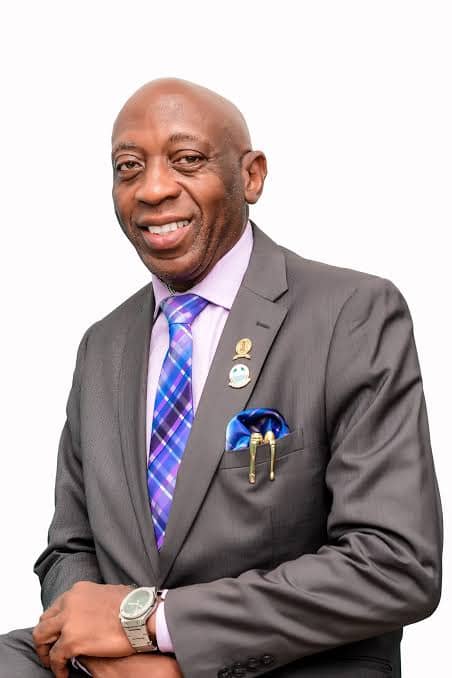
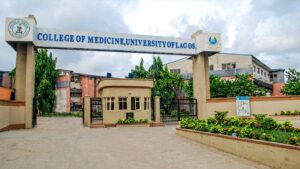
The Provost of the College of Medicine, University of Lagos (CMUL), Prof. Ademola Oremosu, has called for sustained investment in quality medical education and a competent health workforce to enable Nigeria achieve Universal Health Coverage (UHC).
Oremosu said medical training must continuously adapt to the country’s changing health needs, including emerging diseases, non-communicable diseases, maternal and child health challenges and persistent gaps in primary healthcare.
He spoke at the 9th Felix Dosekun Memorial Lecture, held in Lagos on Thursday as part of activities marking the grand finale of the college’s 2026 Week. The lecture was themed: “Quality Medical Education as a Pillar for Achieving Universal Health Coverage.”
The provost said UHC remained an ambitious but achievable goal aimed at ensuring that every Nigerian could access quality healthcare without suffering financial hardship.
He stressed that competent healthcare professionals were critical to translating investments in the health sector into meaningful outcomes for citizens.
According to him, the Felix Dosekun Memorial Lecture has remained an important platform for examining medical education, public policy and healthcare development since its establishment in honour of the late medical educationist.
“Each lecture has produced a communique that has guided public policy, informed curriculum review and contributed to national health discourse,” he said.
The guest lecturer, Prof. Francis Faduyile, Senator representing Ondo South Senatorial District, said the quality of healthcare delivery was directly influenced by the quality of professionals produced by medical institutions.
Faduyile advocated a shift from doctor-centred medical education to a health-system-centred approach that equips professionals with clinical, public health, leadership, communication and technological skills.
He urged medical schools to expose students to communities, primary healthcare, disease prevention, research and other realities affecting Nigerians beyond tertiary healthcare facilities.
The senator also called for the integration of artificial intelligence, digital health, telemedicine, electronic medical records and health-data analytics into medical education.
“We must train doctors not merely for the healthcare system we inherited, but for the healthcare system our population will need tomorrow,” he said.
Faduyile described investment in medical education as an investment in Nigeria’s health future and urged government, medical institutions and other stakeholders to work together to produce competent, compassionate and adaptable health professionals.
The Chairman of the event’s publicity committee, Prof. Udoka Okafor, called for increased investment in healthcare and medical education to improve the quality and accessibility of health services.
Okafor, who is also Chairman of the College of Medicine Alumni Association, expressed concern over the continued migration of Nigerian medical professionals in search of better opportunities abroad.
He said insecurity, economic challenges and inadequate healthcare infrastructure were among issues that needed to be addressed to retain skilled health professionals in the country.
Okafor advised young professionals who travel abroad to acquire additional skills and experience and return to contribute to Nigeria’s healthcare system, particularly through investments and services in underserved rural communities.
READ ALSO: Lagos Orders 57 Council Secretaries to Mobilise 5,700 Youths for Military Recruitment
Oburumu Uses Poetry to Revisit Nigeria’s Colonial Past, Identity
In his goodwill message, Prof. Akin Osibogun, an alumnus of the college and former Chief Medical Director of Lagos University Teaching Hospital (LUTH), described CMUL as a “great college” that had produced outstanding men and women.
The event also featured the presentation of awards to outstanding personalities who had served the college for 35 years and beyond, in recognition of their contributions to the institution.
About The Author


1 thought on “Medical Education Must Evolve With Nigeria’s Health Needs – CMUL Provost Says”