
…….. Approves inclusion of inmates in Nigeria’s correctional facilities under the Vulnerable Group Fund of the National Health Insurance Authority (NHIA)
By Fatima Saka
The Federal Government has approved N40.76 billion for the third quarter of 2026 under the Basic Health Care Provision Fund (BHCPF), while expanding primary healthcare coverage from 8,309 to 13,521 facilities across the 36 states and the Federal Capital Territory.
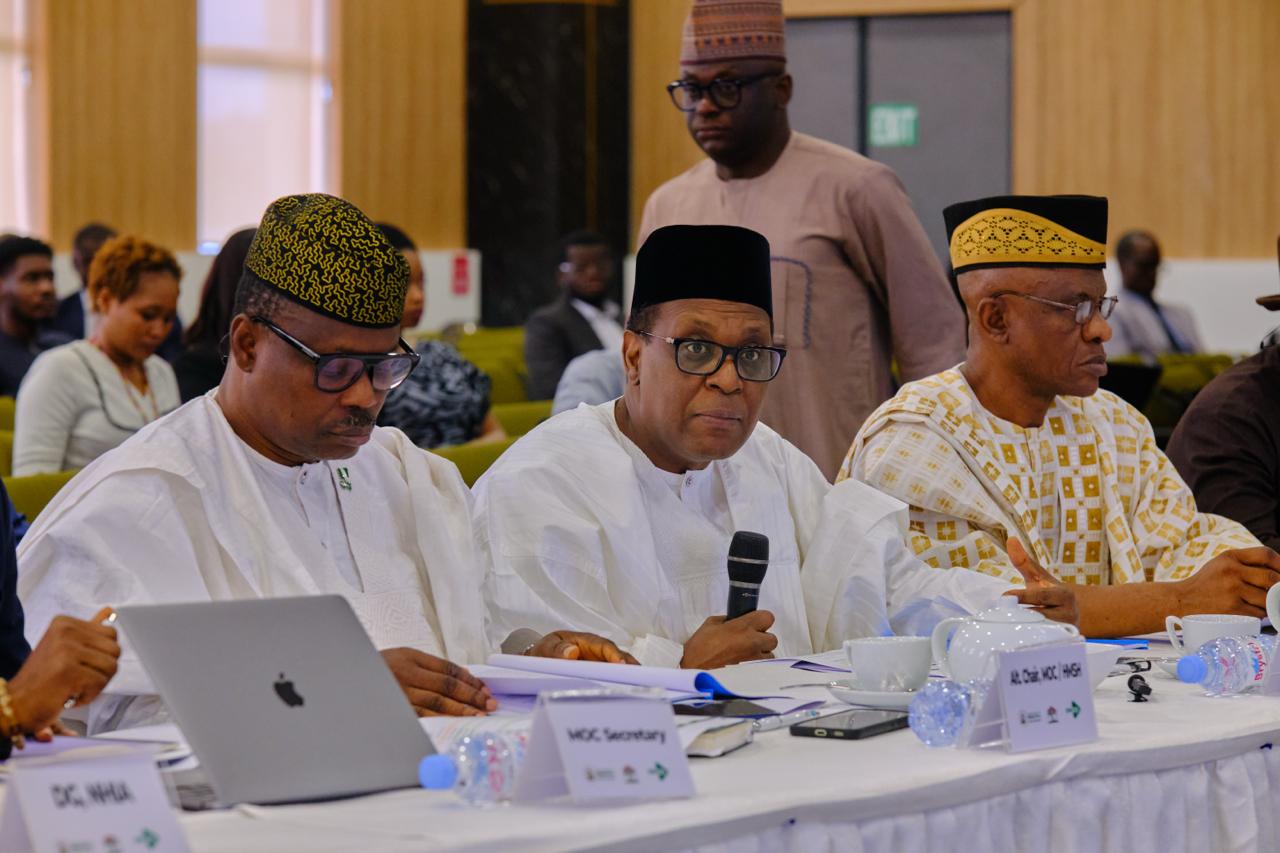
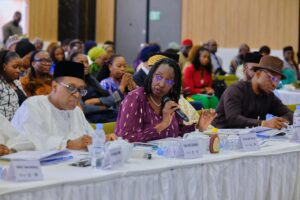
The Coordinating Minister of Health and Social Welfare, Prof. Muhammad Ali Pate, disclosed on Wednesday in Abuja, after a meeting of the Ministerial Oversight Committee (MOC) on the BHCPF, where members considered measures to strengthen primary healthcare delivery, improve access to essential medicines and ensure the effective utilisation of public health funds.
Pate, who is also the chairman of the MOC said the increasing revenue generated through the macroeconomic and fiscal reforms of President Bola Tinubu’s administration had boosted funding for the BHCPF, allowing the government to expand support for primary healthcare facilities nationwide.
He explained that the expansion would cover an additional 5,212 facilities, with the selection guided by equity considerations, including disease burden, population size and distance to healthcare services.
According to him, the government is also working to ensure that increased funding translates into improved access to quality and affordable healthcare services, while urging state and local governments to increase their contributions to healthcare delivery.
The minister stressed that federal funding was only the starting point, adding that subnational governments must take greater responsibility for financing health, education and other essential social services.
On human resources for health, Pate said savings from the Basic Health Care Provision Fund would support the recruitment of frontline health workers, with a three-year transition arrangement designed to encourage states to absorb the workers into their permanent payrolls.
Under the proposed arrangement, the Federal Government would finance 100 per cent of the workers’ salaries in the first year, 67 per cent in the second year and 33 per cent in the third year, after which the states would assume full responsibility for their salaries.
He said the arrangement was intended to address shortages of qualified health personnel at primary healthcare facilities and strengthen the long-term sustainability of the healthcare system.
The minister also raised concerns about outbreaks of Lassa fever, cholera and diphtheria, urging state governments to provide adequate resources for outbreak response.
He called on parents to ensure their children received routine vaccinations against diphtheria, noting that the disease was vaccine-preventable.
Pate further called on civil society organisations, community leaders, the media and the joint monitoring task force involving the Independent Corrupt Practices and Other Related Offences Commission (ICPC) to monitor the use of healthcare funds and ensure that resources reached the intended facilities and beneficiaries.
He said the Federal Government was also rebuilding tertiary healthcare infrastructure, including diagnostic centres and cancer treatment facilities, as part of broader efforts to strengthen the country’s healthcare system.
The Minister of State for Health and Social Welfare, Dr. Iziaq Adekunle Salako, said the administration was focusing not only on increasing healthcare funding but also on ensuring that available resources were used efficiently to achieve better outcomes.
Salako said the committee had discussed pooled procurement of medicines and essential health commodities to improve pricing, quality assurance and availability at primary healthcare facilities.
He explained that the procurement reforms were intended to address price variations among healthcare providers and establish a more coordinated system for purchasing essential medical supplies.
The committee also approved the inclusion of inmates in Nigeria’s correctional facilities under the Vulnerable Group Fund of the National Health Insurance Authority (NHIA).
According to the presentation at the meeting, about 90,000 inmates across the country would benefit from the arrangement, which is expected to provide them with access to basic healthcare services.
The committee also considered proposals to distribute BHCPF resources using an equity-adjusted formula rather than the existing ward-based approach, alongside measures to strengthen financial accountability through digital monitoring systems.
The proposed reforms include expanding the digital financial management system to additional states and primary healthcare facilities, enabling improved tracking of expenditure, retirement of funds and monitoring of facility-level spending.
The meeting further considered the use of pooled procurement through MediPool, a government-established group purchasing organisation intended to improve the affordability and quality of medicines and other essential health commodities.
Pate said the committee would continue to monitor the performance of the procurement arrangement through quarterly reviews, with attention to pricing benchmarks, value for money and the availability of medical supplies.
He added that the government would make adjustments where necessary to ensure the reforms delivered the intended benefits to Nigerians.
READ ALSO: Senate Raises Alarm Over 60-Metre Erosion Gullies Threatening Anambra State
Nigerian Senate Set to Tackles Legal Clash Between Mental Health Act, Suicide Laws
The approved N40.76 billion represents the Federal Government’s contribution to the BHCPF for the third quarter of 2026, using statutory allocations released between January and September.
Pate reiterated that state and local governments must complement federal funding to ensure sustainable primary healthcare delivery and improved access to essential health services across the country.
About The Author

1 thought on “BHCPF: FG Authorizes N40.7bn for Primary Healthcare, Extends Coverage to 5,212 Facility in Nigeria”