A prominent food security expert, Professor Demo Kalla, has called on the Federal Government of Nigeria to transition from a focus on food security to food sovereignty, emphasizing that access to affordable, nutritious food is not merely a development issue, but a fundamental matter of national stability.
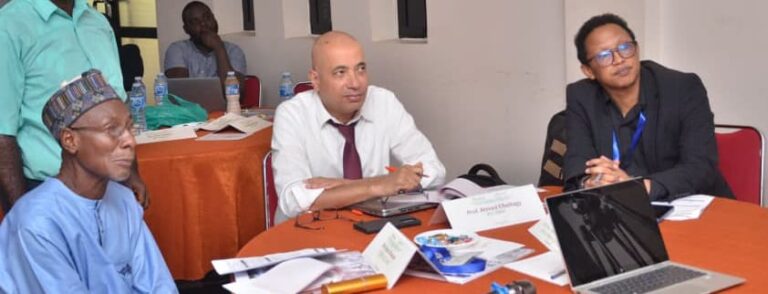
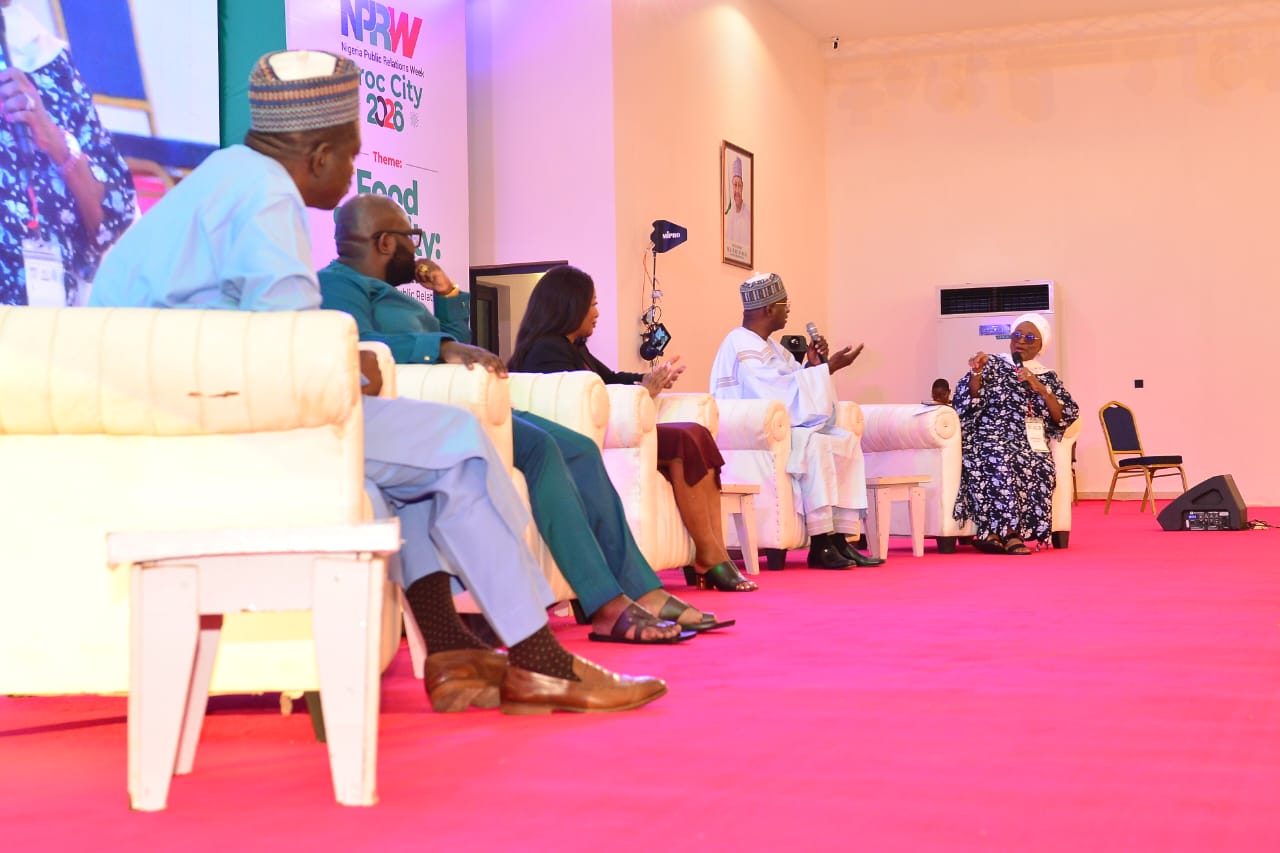
Kalla, the Director of the TETFund Centre of Excellence on Food Security at Abubakar Tafawa Balewa University, made the call during his keynote address at the Nigerian Institute of Public Relations (NIPR) Week 2026 in Kaduna. The event brought together policymakers, communication experts, and agricultural leaders to explore the connections between food security, national governance, and agricultural branding.
“Food security is a core test of governance,” Kalla asserted. “It is a test of whether leadership can translate vision into nourishment for all… Where we fall short, hunger persists not by fate, but by design.” He argued that the true measure of a nation’s leadership lies in ensuring that no citizen is excluded from national prosperity, especially in terms of food access.
Kalla also emphasized the need for curriculum reforms in agricultural education and the adoption of data-driven, innovative practices to drive sustainable agricultural growth. He warned against framing Africa’s food challenges as isolated issues of hunger, climate change, and poverty. Instead, he stressed that these are symptoms of deeply rooted political and economic systems that affect who has access to food, how it is produced, and whose voices are heard in shaping policy.
Echoing the Food and Agriculture Organization’s four pillars of food security—availability, access, utilization, and stability—Kalla reiterated the importance of ensuring reliable access to adequate, nutritious food at all times.
The expert further addressed communication professionals in attendance, urging them to take an active role in shaping national narratives around food security. He highlighted their crucial role in promoting collective action, countering negative narratives, and encouraging public engagement to ensure that policy actions translate into tangible results.
Kalla also spoke to the growing vulnerabilities posed by global disruptions such as the COVID-19 pandemic, the Russia-Ukraine conflict, and tensions in the Middle East. These disruptions have significantly affected supply chains, driving up energy and fertilizer costs and worsening food insecurity, particularly in remote areas of Nigeria. He stressed that Nigeria must reduce its dependence on food imports, particularly in sectors where it has a global competitive advantage.
While acknowledging the current administration’s commitment to repositioning agriculture as an economic driver, Kalla emphasized that the key challenge lies in effective implementation. He cited the African Union’s Comprehensive Africa Agriculture Development Programme (CAADP), which advocates for governments to allocate at least 10% of national budgets to agriculture—a target that Nigeria has yet to meet.
The conversation also touched on rising insecurity and rural poverty. Kalla linked these issues to neglect in agriculture, warning that failure to prioritize the sector could lead to severe social and economic consequences.
Minister of Livestock Development, Idi Mukhtar Maiha, also addressed the gathering, announcing that the government is intensifying efforts to unlock the economic potential of the livestock sector. Maiha highlighted the establishment of the Federal Ministry of Livestock Development as a structural shift designed to integrate the sector into the formal economy, signaling a multi-billion-dollar opportunity in livestock production. He noted that reforms are underway to improve animal health systems, feeding practices, market access, and value addition.
Maiha also emphasized the importance of increasing Nigeria’s consumption of animal-sourced proteins, and repositioning livestock farming as a viable and profitable enterprise across various sectors, including dairy, meat, eggs, and leather.
AAFN Unveils Music and Notebook to Tackle Fake News in Nigeria
In his closing remarks, NIPR President Ike Neliaku pledged to extend the national conversation on food security beyond the conference. He announced plans to establish an Agriculture and Food Security Hub, which will work closely with Kalla and other experts to strengthen communication strategies, stakeholder engagement, and knowledge exchange to support Nigeria’s agricultural and food security objectives.
The call for a shift towards food sovereignty and more effective agricultural policies is timely, as Nigeria seeks to strengthen its national resilience and improve the livelihoods of its citizens.
About The Author