
By Fatima Saka
Abuja — Nigeria government is intensifying efforts to transform its livestock sector into a globally competitive industry, targeting $275 million in red meat exports and the creation of 6,000 jobs through strategic investments and partnerships.
The initiative, driven under the Nigeria Red Meat Partnership (NiMeP), signals a major shift from traditional pastoral systems to a modern, market-driven livestock economy anchored on innovation, structured financing, and private sector participation.
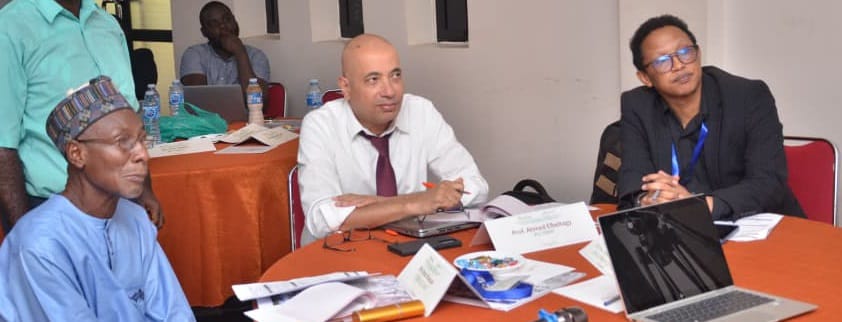
The move formed the highlight of a three-day forum held in Abuja and organised by the African Union Inter-African Bureau for Animal Resources, with support from the Bill & Melinda Gates Foundation. The forum focused on unlocking investment opportunities through the Africa Pastoral Markets Development (APMD) Platform.
NiMeP, led by the Commodities Development Initiative in collaboration with the Federal Ministry of Livestock Development, is designed to reposition Nigeria’s red meat value chain as a key driver of economic diversification and export growth.
Partnership Manager, Nath Odiba, said the initiative goes beyond increasing production to prioritising quality, traceability, and certification of meat products for international markets.
“Our focus is on exporting quality-assured, traceable, and certified products that can compete globally,” he said, noting that disruptions in global supply chains have created a “billion-dollar export opportunity” for Nigeria if standards and scale can be achieved.
Stakeholders at the forum emphasised the urgent need to transition from fragmented, subsistence livestock practices to integrated value chains that can attract sustainable financing.
A Knowledge Management Expert with APMD, Eric Allela, cited Ethiopia’s successful “Luna Model” as a blueprint. The model links pastoralists to formal markets, supported by veterinary services and product traceability, thereby boosting productivity and export potential.
According to Allela, formalising livestock transactions and ensuring predictable supply chains could unlock financing by enabling lenders to rely on cash flow rather than traditional collateral.
“This is a game changer for pastoral producers,” he said.
Also speaking, Private Sector Engagement Expert at AU-IBAR, Mohammed Eidie, said the APMD Platform is structured to deliver tangible business outcomes through direct business-to-business engagements.
READ ALSO: Xenophobic Attacks: NIDCOM Urges South Africa to Protect Nigerians, End Stigmatization
Senate Confirms Yuguda as CBN Deputy Governor, Onwu for NDIC Board
“We are building the infrastructure of trust. This platform connects producers, buyers, and financiers in ways that lead to real contracts, not just conversations,” he said.
The platform is also expected to strengthen private sector participation, improve livestock data systems, and integrate climate resilience and gender inclusion into the sector.
As deliberations concluded, stakeholders agreed that achieving Nigeria’s ambitious export target would depend on sustained policy reforms, increased private investment, and the effective integration of smallholder producers into formal and global value chains.
About The Author