By Fatima Saka
In commemoration of the World Veterinary Day 2026, the Nigerian Veterinary Medical Association has called for urgent reforms, increased investment, and stronger institutional support to safeguard Nigeria’s food systems and public health.
Under the global theme, “Veterinarians: Guardians of Food and Health,” the association raised concerns that persistent underfunding, weak institutional frameworks, and poor policy implementation are putting the nation’s food security, public health, and environmental stability at risk.
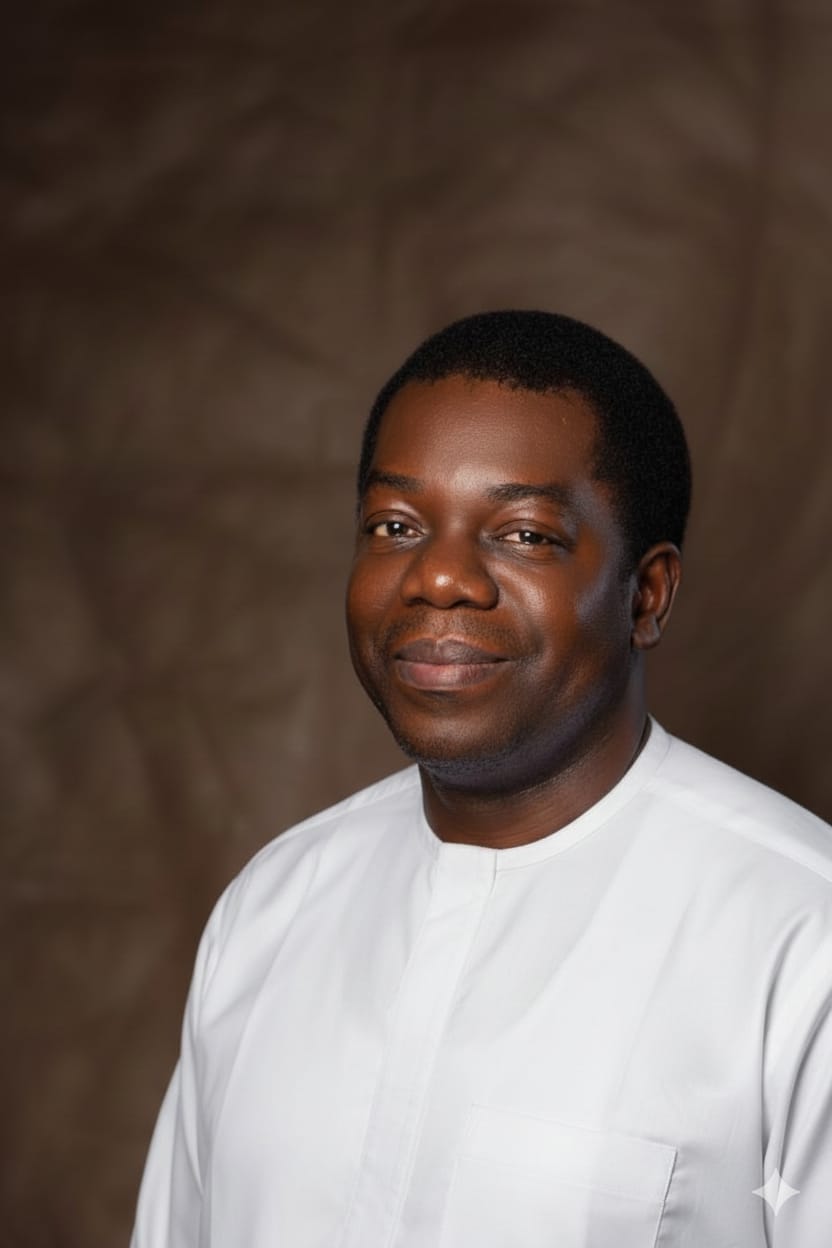
In a statement, NVMA National President, Moses Arokoyo, described veterinarians as central to food safety and disease prevention, operating across the entire food value chain—from livestock production and disease control to meat inspection, laboratory diagnostics, surveillance, and policy advisory.
He lamented that despite their critical role, veterinary professionals remain underrepresented in national planning and decision-making processes.
“From farm to fork, from laboratory to legislation, the veterinary profession underpins the safety, security and sustainability of food systems while standing as the first line of defence against zoonotic disease threats,” Arokoyo said.
The association warned that emerging threats such as climate change, antimicrobial resistance, and infectious diseases have intensified the need for a coordinated One Health approach, where human, animal, and environmental health systems are managed collectively.
According to Arokoyo, veterinarians are increasingly pivotal in outbreak containment, vaccination programmes, and surveillance systems aimed at preventing future pandemics, stressing that veterinary medicine must be recognised as a core pillar of national health security.
The NVMA also decried the absence of reliable data in the livestock sector, calling for a comprehensive national livestock census to properly capture its economic value. It noted that key interventions such as disease outbreak responses, vaccination coverage, and meat inspection outcomes remain poorly documented, weakening advocacy for increased funding.
“If it wasn’t measured, it didn’t happen,” Arokoyo stated, urging practitioners to prioritise data collection and reporting as tools for visibility and policy influence.
He further highlighted fragmentation across Nigeria’s health and food systems, warning that siloed operations limit effective crisis response. The association called for better integration of veterinary services into national and state emergency frameworks, as well as stronger inter-agency collaboration.
While acknowledging advancements such as digital disease reporting, portable diagnostics, and telemedicine, Arokoyo cautioned against rising quackery and the misuse of veterinary drugs—particularly antibiotics—warning that such practices could worsen antimicrobial resistance and pose serious risks to both animal and human populations.
The NVMA President stressed that the sector continues to face structural neglect, calling for full implementation of the National Veterinary Policy, increased recruitment of veterinarians, and sustained funding for critical services including vaccination programmes, abattoir upgrades, and disease surveillance.
READ ALSO: Dabiri-Erewa Hails E.J. Anosike’s Historic Clean Sweep in China’s NBL
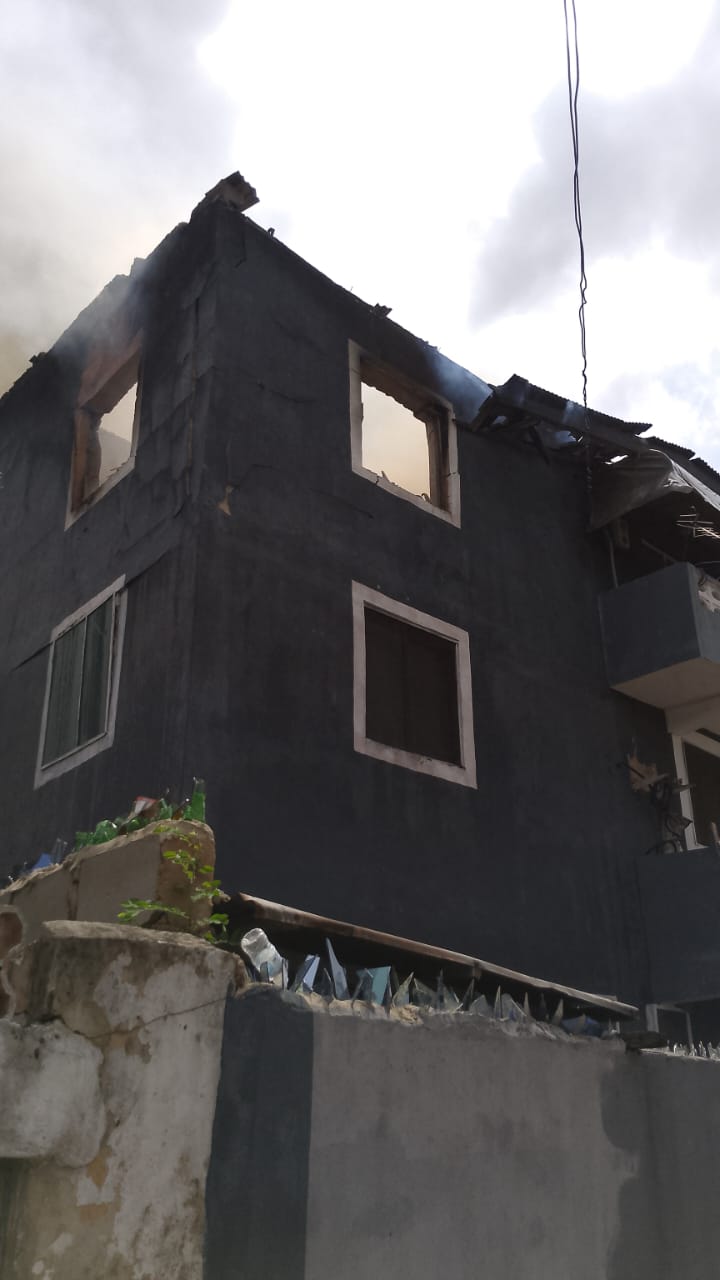
NEMA, Lagos Govt Distribute Relief to Balogun Market Fire Victims, Urge Safety Compliance
He warned that failure to address these gaps could expose the country to avoidable disease outbreaks, food insecurity, and significant economic losses.
Arokoyo added that veterinarians remain indispensable to Nigeria’s stability, working across farms, clinics, laboratories, and abattoirs to protect public health and ensure food safety, urging the Federal Government to strengthen the profession’s capacity to effectively serve as a frontline defence between animal and human health systems.
About The Author