
The Bureau of Public Procurement (BPP) has called for stronger collaboration between procurement professionals and project managers to address implementation gaps in government projects and ensure public investments deliver tangible development benefits.
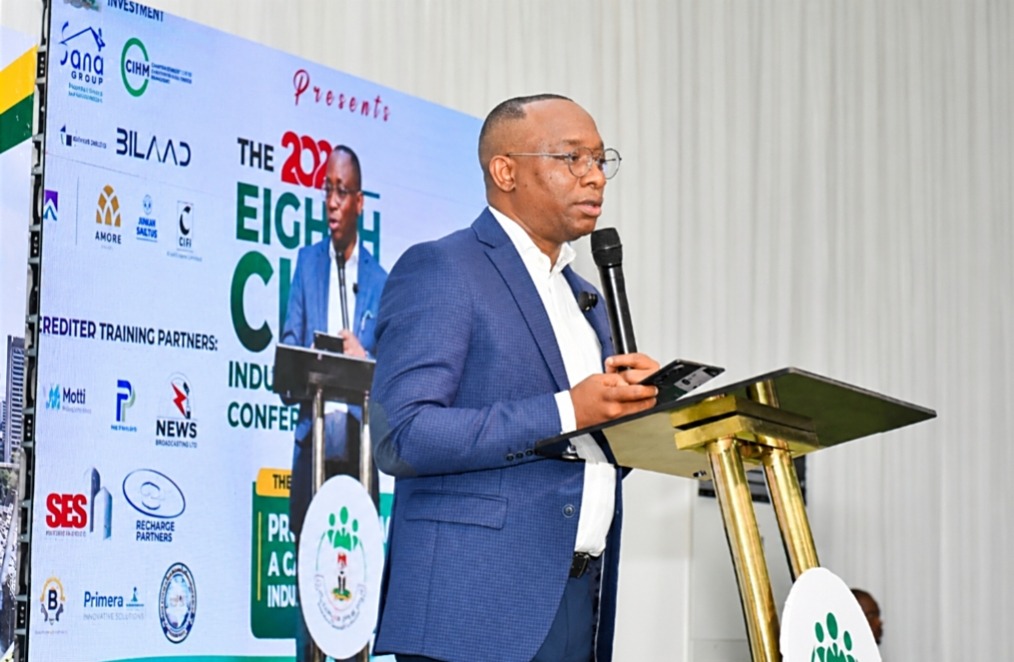
The Director-General of the Bureau, Dr. Adebowale A. Adedokun, made the call on Thursday in Abuja at the International Project Management Day programme and induction ceremony of the Chartered Institute of Project Managers of Nigeria (CIPMN).
According to a press statement signed Ijeoma Chijioke Adindu Head, Information and Public Relations Bureau of Public Procurement (BPP), speaking on the theme, “Project Management: A Catalyst for Nigeria’s Industrial Transformation,” Adedokun stressed that the success of public expenditure should not be measured by the number of contracts awarded but by the delivery of functional infrastructure, quality services and sustainable benefits.
He explained that while procurement ensures the selection of competent service providers and establishes clear contractual obligations, project management coordinates resources, personnel, timelines and risks required for successful project execution.
According to him, effective integration of both professions is essential to translating government policies, budgetary allocations and investments into measurable development outcomes.
The BPP boss said the Bureau was strengthening the link through its reform agenda, including the Nigeria First Policy, Sector-Based Procurement Frameworks and initiatives to broaden supplier participation.
He noted that the reforms were designed to promote domestic production, strengthen local supply chains and create more opportunities for Nigerian businesses.
Adedokun also identified the recently launched MSMEs Public Procurement Training Programme and Digital Learning Portal, supported by the World Bank under the Sustainable Procurement, Environmental and Social Standards Enhancement (SPESSE) Project, as a major intervention to improve the participation of small businesses in public procurement.

Other reforms, according to him, include Price Intelligence and Benchmarking, Revised Standard Bidding Documents, revised Prior-Review and Monetary-Threshold implementation guidelines, and the Policy on Variations.
He added that the Bureau’s Monitoring and Evaluation System, professional certification and continuous capacity building would strengthen accountability and ensure that public spending translates into functional assets and measurable development outcomes.
Addressing newly inducted members of the Institute, Adedokun urged them to uphold professional integrity, excellence and accountability, noting that successful project management begins before contract award and extends beyond physical completion to the effective utilisation and maintenance of projects.
He maintained that stronger cooperation among procurement professionals, project managers, contractors and other stakeholders would improve project delivery, promote employment, strengthen domestic value chains and contribute to national prosperity.
Earlier, the Registrar-General and Chief Executive Officer of CIPMN, Mr. Henry Ifeanyi Mbadiwe, commended the BPP leadership for its procurement reforms and digital transformation initiatives aimed at improving transparency, accountability and efficiency.
Mbadiwe also highlighted the Institute’s digital transformation efforts, particularly the automation of membership registration, professional examinations, licensing and verification processes.
READ ALSO: MURIC Demands Sack of Law School DG Over Alleged Hijab Discrimination
Solomon Iwerebor: Family Demands Autopsy, Forensic Probe into Suspected Murder
He said the technology-driven initiatives had improved efficiency and transparency in the administration of the Institute’s professional activities.
The Registrar-General further disclosed that the Institute’s electronic verification system and Application Programming Interface (API) integration enable organisations and other stakeholders to verify the professional status and licensing credentials of project managers, thereby strengthening professionalism, credibility and accountability.
About The Author