By Fatima Saka
Abuja, Nigeria — The Deputy Governor of Rivers State, Professor Ngozi Nma Odu, has identified inclusive stakeholder engagement and clear boundary demarcation as critical solutions to recurring transboundary conflicts and insecurity across Nigeria.
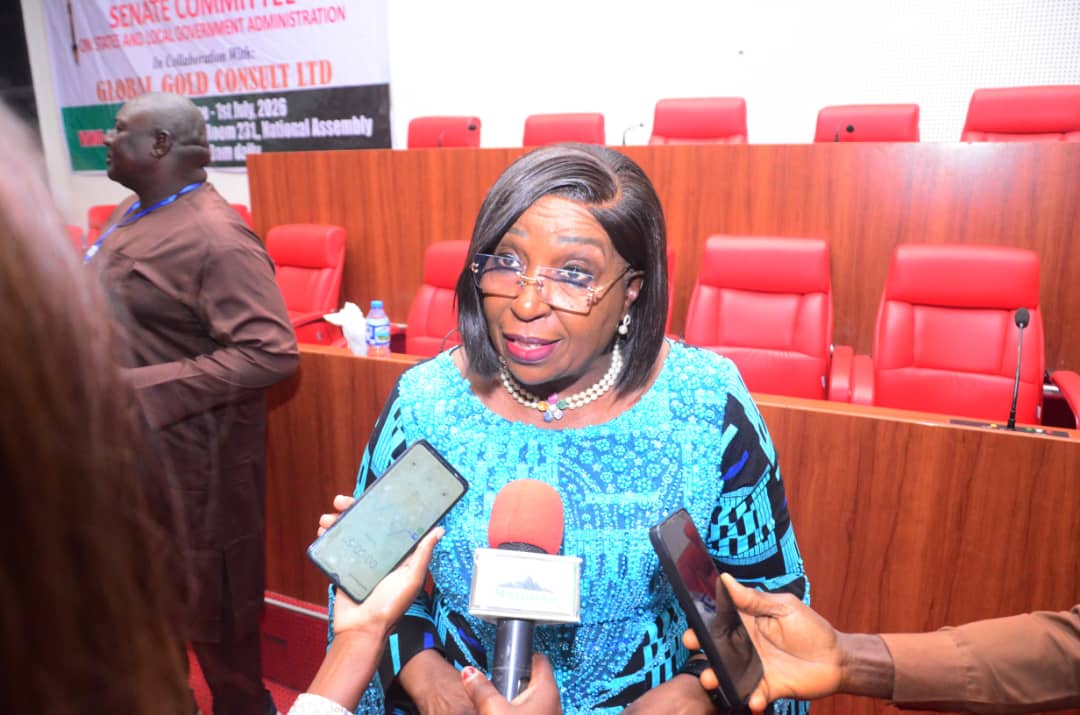
Speaking to journalists on Wednesday in Abuja at the just concluded workshop of Third Annual National Assembly Border and Boundary Community Stakeholders Interface, organized by Senate Committee on State and Local Government Administration, Professor Odu stressed that unresolved boundary disputes, often fueled by competition over natural resources, remain a major source of tension and violence in many communities.
The event, themed “Inclusive Border Governance: Engaging Security and Economic Growth,” was organized by the Senate Committee on State and Local Government Administration in collaboration with Global Gold Consultants.
Addressing participants after presenting a paper on transboundary conflicts, the deputy governor explained that effective conflict resolution must involve all affected stakeholders, particularly at the grassroots level.
“Part of the challenge lies in poor demarcation. When boundaries are clearly defined and both parties are involved in the process, they are more willing to make concessions, which helps reduce conflict,” she said.
Drawing from Rivers State’s experience, Odu cited a dispute between two local government areas over oil wells. She noted that the conflict, which had the potential to escalate into violence, was resolved through the establishment of a broad-based technical committee.
According to her, the committee included traditional rulers, security agencies, community representatives, and other relevant stakeholders.
“We constituted a strong committee of about 13 members, including the traditional ruler who is part of the state boundary committee. We also invited the oil companies operating in the area. Both communities agreed to make adjustments, and the resources are now being shared. That decision significantly reduced tensions,” she explained.
Odu further emphasized the importance of community participation in resolving such disputes, noting that imposing solutions without local input often leads to resistance.
“Do not resolve issues on behalf of the people without involving them. Let them express their concerns, understand the realities, and see the facts using modern tools like GPS and mapping technologies. When they are part of the process, they are more likely to accept the outcome,” she said.
The deputy governor also highlighted ongoing efforts to address boundary issues between Rivers State and neighboring Abia State, revealing that both parties have adopted dialogue and compromise to prevent conflict.
“My colleague in Abia State and I agreed that there is no need for conflict. Sometimes, a slight adjustment here and there can resolve the issue entirely,” she added.
READ ALSO: NiDCOM Mourns Death of Nigerian Student Qayyum Balogun in Ireland, Seeks Justice
MURIC Commends NSCIA Over Appointment of Abbas Jimoh Spokesperson
She further added that sustainable peace in boundary communities can only be achieved through continuous dialogue, transparency, and inclusive governance that prioritizes the interests of affected populations.
The annual interface brought together policymakers, security agencies, traditional leaders, and community stakeholders to explore strategies for strengthening border governance and enhancing national security.
About The Author