By Fatima Saka
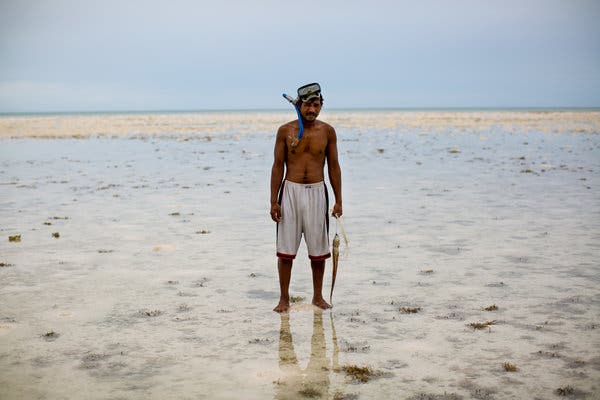
Pacific island nations have called for stronger global cooperation and climate action as vulnerable countries confront the growing impacts of rising sea levels, extreme weather and climate-related losses.
The call was made during a high-level pre-COP31 gathering which was on Monday and Tuesday involving leaders, ministers and senior officials from Tuvalu, Fiji, Australia, Nepal, Palau, Mauritius and other climate-vulnerable countries.
The leaders adopted the Taku Pakasoa Leaders’ Declaration, a Tuvaluan concept centred on strength through unity and collective action, after visiting Tuvalu, one of the countries most exposed to the impacts of sea-level rise.
Speaking during the gathering, Fiji’s Prime Minister, Sitiveni Rabuka, said vulnerable nations must unite their efforts and move beyond being viewed only through the lens of climate risks.
Rabuka said the Pacific should become a region where innovative climate solutions are developed, demonstrated and shared with the rest of the world.
Australian Prime Minister Anthony Albanese said his country remained strongly committed to the Pacific, stressing that the pre-COP31 meeting was intended to give communities on the frontline of climate change a platform to influence global action.
He also highlighted Australia’s domestic transition towards renewable energy, saying renewable sources supplied more than half of the country’s energy during the December quarter of the previous year.
Nepal’s Minister for Foreign Affairs, Shisir Khanal, linked the climate challenges facing mountain and island nations, arguing that melting glaciers and rising seas represented a shared global crisis.
Khanal said countries contributing least to global emissions were increasingly paying the highest price through loss of lives and development gains, describing the situation as a matter of climate injustice.
He called for the protection of the 1.5°C temperature limit, warning that the impacts of global warming were no longer theoretical for vulnerable communities.
COP31 President of Negotiations and Australia’s Minister for Climate Change and Energy, Chris Bowen, described the Taku Pakasoa declaration as a strong reaffirmation of climate ambition and a “solid launching pad” for COP31 in Antalya, Türkiye.
The COP31 President-designate and Türkiye’s Minister for Environment, Urbanization and Climate Change, Murat Kurum, also called on countries to unite around the declaration and take action to prevent future generations from experiencing the worsening effects of climate change.
UN Deputy Secretary-General, Amina Mohammed, said the future that Pacific nations had warned about for decades had already arrived, stressing that countries least responsible for the climate crisis should not bear its greatest costs.
She further described Pacific nations as leaders rather than victims waiting to be rescued, urging the international community to carry their spirit of solidarity to COP31.
UN Climate Change Executive Secretary, Simon Stiell, said the declaration sent a strong signal ahead of COP31, noting that the costs of climate change were increasing even as solutions remained available.
Stiell said the experiences of Tuvalu, Fiji and other small island states demonstrated the immediate human consequences of rising seas, increasing temperatures and escalating loss and damage.
READ ALSO: Kogi West Rejects Alliance Deal, Demands 2027 Governorship Ticket
FG Moves Prevention, Early Detection to Curb Nigeria’s Cancer Burden
He called for COP31 to translate existing climate commitments into practical results that protect people, defend oceans and limit global warming.
COP31 is scheduled to take place in Antalya, Türkiye, in November 2026.
About The Author