By Fatima Saka
The Federal Government of Nigeria, in partnership with the British High Commission, has strengthened collaboration on cyber and digital diplomacy as part of efforts to enhance Nigeria’s foreign policy capacity and address emerging global technological threats.
This formed the focus of the Second Seminar on Anticipatory, Cyber and Digital Diplomacy (ACDD 2.0), held in Abuja, where stakeholders emphasised the need to operationalise artificial intelligence (AI), cybersecurity, and digital statecraft in Nigeria’s international engagements.
Speaking at the opening of the two-day seminar, the Minister of State for Foreign Affairs, Ambassador Sola Enikanolaiye, said the initiative reflects Nigeria’s proactive response to the evolving global diplomatic landscape shaped by rapid technological advancements.
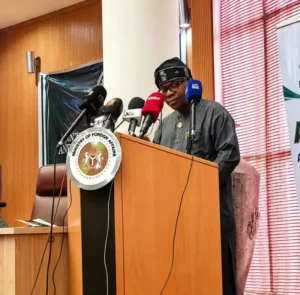
He noted that the government is committed to transitioning from awareness to practical implementation of digital tools in diplomacy, stressing that modern statecraft now intersects with technology, security, and economic interests.
According to him, the seminar builds on the success of its maiden edition in 2025, which led to the establishment of an Artificial Intelligence and Cyber Diplomacy Unit within the Ministry of Foreign Affairs.
“When fully operational, the unit will coordinate Nigeria’s engagement on emerging technological issues, strengthen participation in global digital governance, and ensure our diplomacy reflects the strategic implications of these technologies,” he said.
Enikanolaiye added that anticipatory diplomacy requires Nigeria to move from reactive to proactive engagement, urging stronger institutional readiness, enhanced digital capabilities, and deeper collaboration among government agencies, academia, and international partners.
Also speaking, a representative of the British High Commissioner, Ms. Vicky Seymour, reaffirmed the United Kingdom’s commitment to supporting Nigeria’s cyber diplomacy efforts through its Africa Cyber Programme.
She explained that the UK-Nigeria partnership focuses on five priority areas, including cyber threat intelligence, protection of critical national infrastructure, digital forensics, incident response planning, and review of cyber policies and strategies.
Seymour noted that increasing cyber threats, including fraud, disinformation, and state-linked attacks, require stronger international cooperation, adding that both countries must work together to address challenges in the evolving digital landscape.
“The growing complexity of cyber threats, including those amplified by artificial intelligence, underscores the need for closer collaboration across jurisdictions,” she said.
In his goodwill message, the Inspector-General of Police, IGP Olatunji Rilwan Disu, represented by Akan Ezema, highlighted the importance of anticipatory strategies in combating cybercrime and safeguarding national security.
He said criminal networks are increasingly exploiting digital platforms, stressing that the Nigeria Police Force is strengthening intelligence-led operations, capacity building, and partnerships to protect citizens from cyber-enabled crimes.
Similarly, the Executive Secretary of the Independent Corrupt Practices and Other Related Offences Commission (ICPC), Barrister Clifford Opara-Odu, underscored the role of inter-agency and international collaboration in tackling corruption and organised crime, particularly in the digital space.
He noted ongoing cooperation between the ICPC and the British High Commission, especially in addressing organised immigration crimes, adding that joint efforts have led to successful prosecutions and strengthened enforcement mechanisms.
READ ALSO: NASS Summons MOFI MD Over Alleged Irregularities in $3bn Rail Contracts
FGN Targets Africa’s Halal Market Leadership, Woos Saudi Investors for $Trillion Export Drive
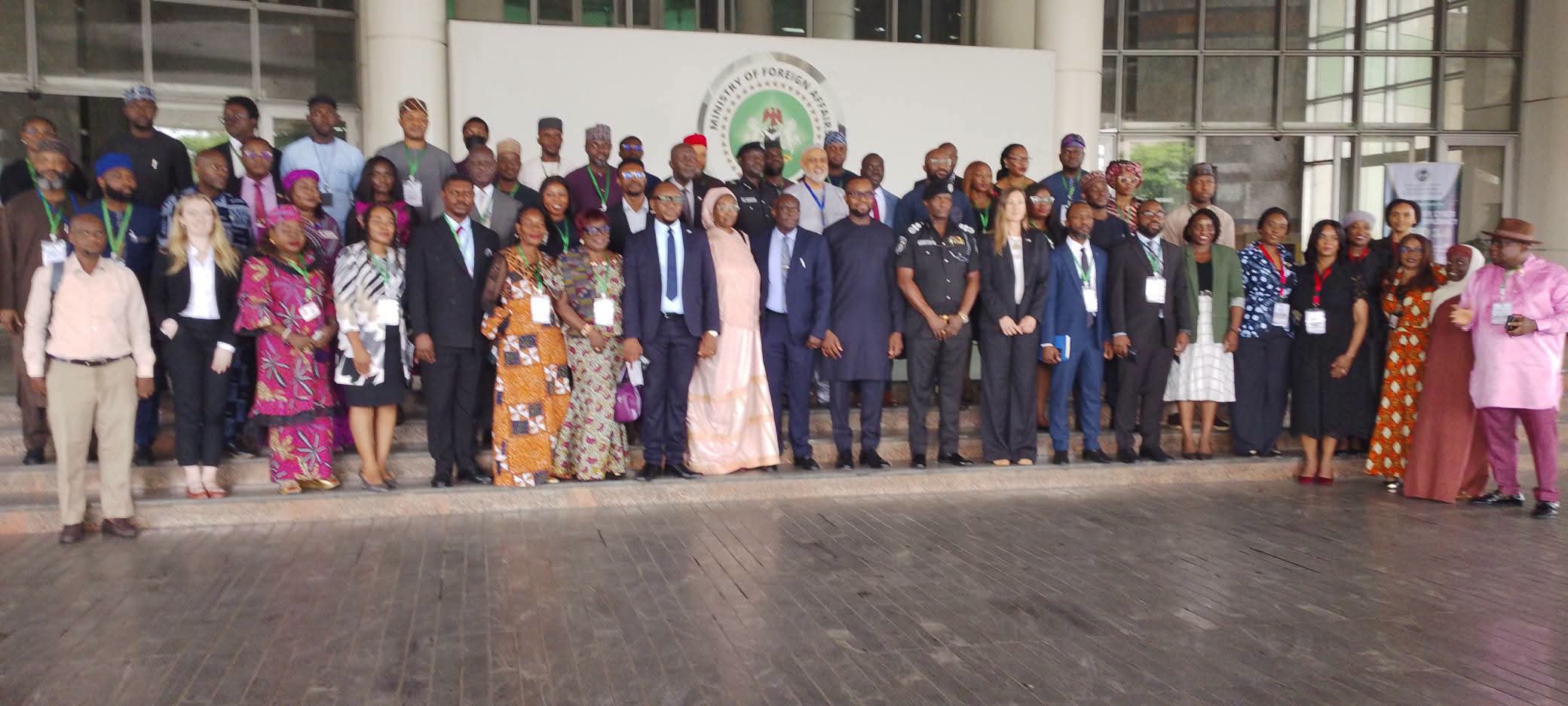
The seminar, themed “From Awareness to Activation: Operationalising AI, Cyber and Digital Statecraft for Nigeria’s Foreign Policy,” brought together diplomats, policymakers, technology experts, and development partners to explore strategies for integrating emerging technologies into Nigeria’s foreign policy framework.
Participants are expected to generate actionable recommendations to strengthen Nigeria’s diplomatic institutions, enhance cyber resilience, and position the country as a leader in digital diplomacy in Africa and beyond.
About The Author