By Fatima Saka
The Federal Government has urged states and local governments to prioritise sanitation in their annual budgets and development plans, warning that inadequate funding and weak data management could undermine Nigeria’s target of ending open defecation by 2030.
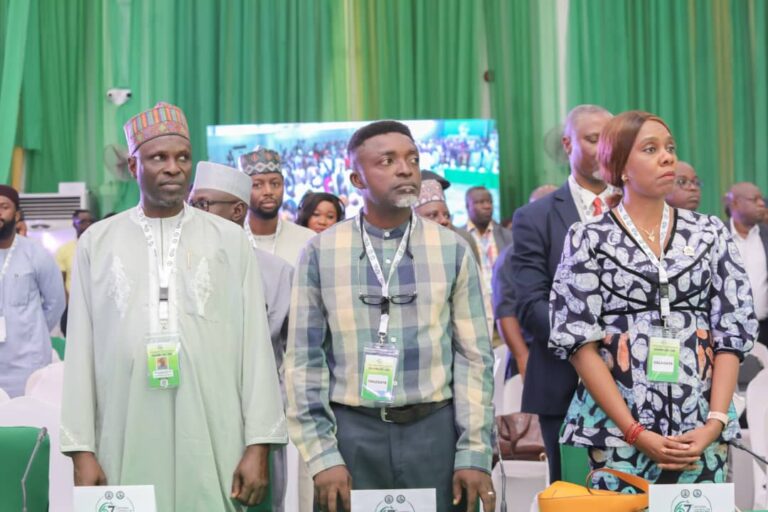
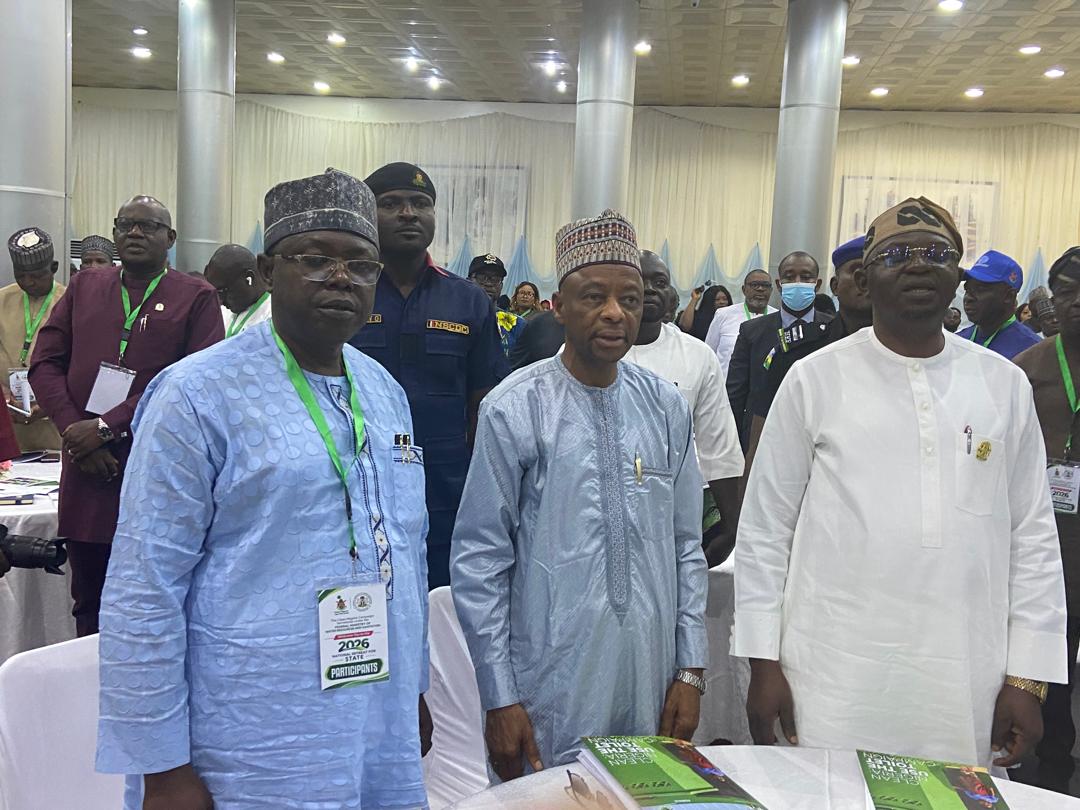
The Minister of Water Resources and Sanitation, Engr. Prof. Joseph Terlumun Utsev, gave the charge on Tuesday in Abuja while delivering the keynote address at the 2026 National Retreat on the Clean Nigeria: Use the Toilet Campaign.
Utsev said sustainable financing, credible data and stronger institutional coordination were essential to accelerating progress, urging all tiers of government to ensure adequate budgetary provisions and effective utilisation of sanitation funds.
The retreat, themed, “Accelerating and Sustaining Progress: Financing, Data, and Systems for a Fully ODF Nigeria,” brought together stakeholders to review achievements, address implementation challenges and develop strategies for meeting the 2030 target.
The minister disclosed that 185 Local Government Areas (LGAs) had attained Open Defecation-Free (ODF) status, while Jigawa and Katsina States had achieved state-wide ODF status.
He described the achievements as significant milestones but stressed the need to sustain the progress and intensify interventions in the remaining LGAs.
Utsev also highlighted the Executive Order on Open Defecation-Free Nigeria by 2030 and Other Related Matters, 2025, signed by President Bola Ahmed Tinubu, describing it as a major step towards strengthening the country’s sanitation framework.
He announced that Vice President Kashim Shettima would formally unveil the Executive Order during the World Toilet Day celebration and the seventh anniversary of the Clean Nigeria Campaign on November 19, 2026.
The minister urged participating states to assess their sanitation performance, identify priority LGAs and develop practical roadmaps to accelerate ODF attainment.
He also called on states that had achieved ODF status to strengthen monitoring mechanisms to prevent a reversal of their achievements.
Earlier, the Permanent Secretary of the Ministry, Engr. Ali Ibrahim Dallah, said achieving an ODF Nigeria by 2030 required strong political commitment, sustainable financing and effective coordination across all levels of government.
Dallah urged states to integrate sanitation into their development plans and annual budgets while promoting community ownership and behavioural change.
In their goodwill messages, representatives of Self Help Africa, UNICEF, the World Health Organisation (WHO), Youth WASH Africa, FCT RUWASSA and the states reaffirmed their commitment to the Clean Nigeria Campaign.
They identified sustained behavioural change, youth participation, improved data management, adequate funding and stronger partnerships as critical to achieving and sustaining ODF status nationwide.
In his vote of thanks, the Director of Water Quality Control and Sanitation, Mr Habu Jamilu, mni, appreciated the minister, permanent secretary, development partners, facilitators, National Coordinator of the Clean Nigeria Campaign and organising team for their contributions to the retreat.
He urged participants to translate discussions and recommendations into concrete commitments and measurable actions.
READ ALSO: MURIC Accuses Adeleke of Harassing Muslim Traditional Rulers, Calls for Legislative Action
Court Upholds APC Primary, Dismisses Suit Against Okoro’s Candidacy in Ekiti
The retreat featured technical presentations, plenary sessions, peer-learning dialogues and discussions, culminating in the development of a communiqué.
Other participants included directors and staff of the ministry, state commissioners, representatives of relevant ministries, RUWASA and small towns general managers, urban sanitation agencies, development partners, private sector actors and other stakeholders.
About The Author