By Fatima Saka
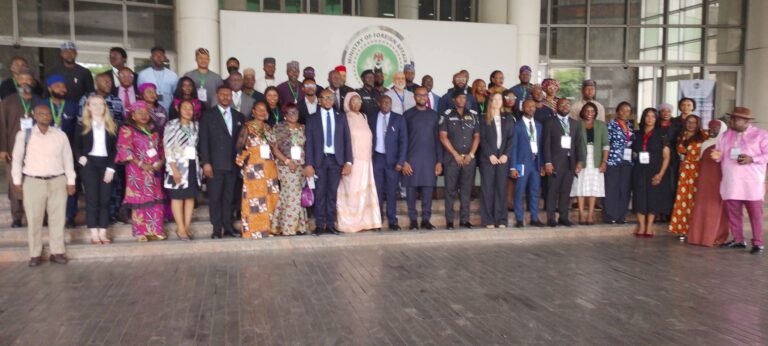
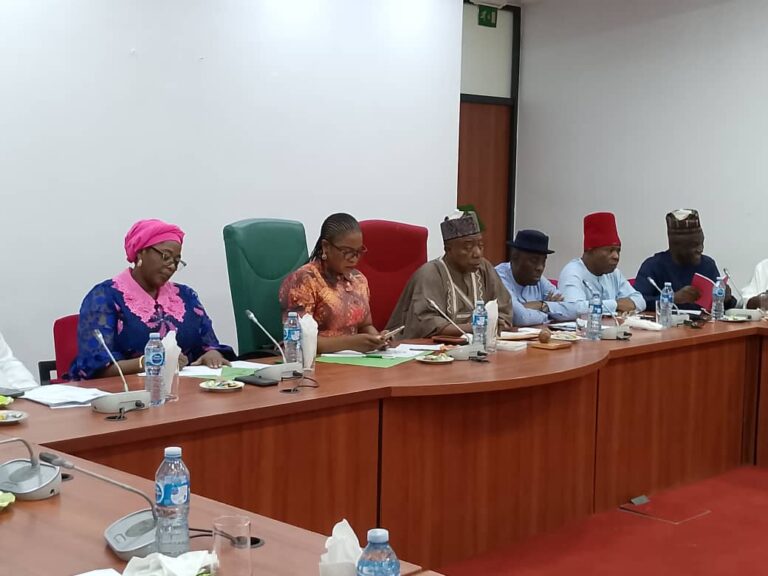
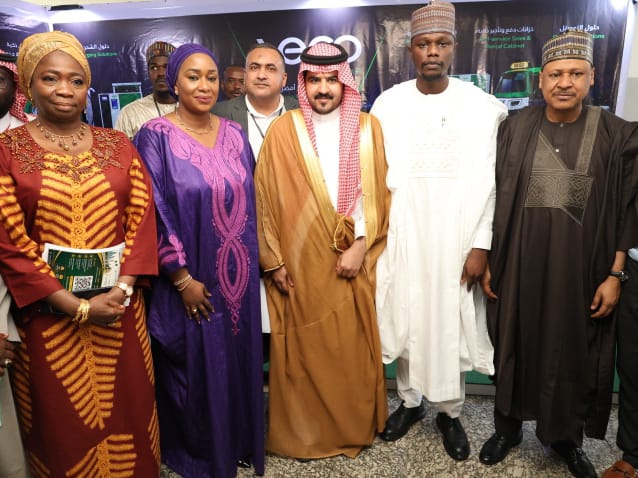
The Federal Government of Nigeria has reaffirmed its commitment to deepening economic cooperation with the Kingdom of Saudi Arabia, with a strong focus on investment, export expansion, and the development of the halal economy, at the Nigerian–Saudi Investment and Tourism Exhibition held in Abuja on Tuesday.

Representing the Vice President, the Special Adviser on Export Expansion and Secretary of the Nigerian Halal Economy Strategy Implementation Committee, to the president, Aliyu Bunu Sheriff, said the Tinubu administration is prioritising non-oil exports and creating a globally competitive investment climate to position Nigeria as a leading economic hub.
Sharif noted that Nigeria is not merely a consumer market but Africa’s largest economy with vast opportunities, while Saudi Arabia, under its Vision 2030 agenda, represents one of the fastest-growing and most diversified economies globally. He emphasised that the partnership between both nations should go beyond aid to a mutually beneficial economic collaboration.
He highlighted the Federal Government’s halal economy strategy, describing it as a multi-trillion-dollar opportunity spanning food production, pharmaceuticals, cosmetics, logistics, and Islamic finance. According to him, the initiative is designed to connect Nigeria’s production capacity with Saudi Arabia’s capital, expertise, and market access.
Addressing investors, Sharif conveyed the Vice President’s message that Nigeria is ready for scalable investments, backed by strong policy reforms, youthful entrepreneurship, and improving infrastructure. He assured stakeholders of government support through regulatory frameworks, certification systems, and financing mechanisms to strengthen value chains.
The Minister of Information and National Orientation, Mohammed Idris, in his remarks, reiterated the Federal Government’s commitment to creating an enabling environment for private sector participation.
He highlighted ongoing reforms in infrastructure, agriculture, and regional development aimed at boosting productivity and economic growth.
Idris noted that Nigeria’s emerging sectors, including livestock development and agribusiness, present vast investment opportunities capable of generating employment and improving livelihoods. He urged both local and foreign investors to take advantage of the country’s evolving policy landscape.
Also speaking, the Chairman/CEO of the Nigerians in Diaspora Commission (NiDCOM), Hon. (Dr.) Abike Dabiri-Erewa, underscored the critical role of the diaspora in driving investment and national development.
She praised Nigerian entrepreneurs abroad for promoting the country’s image and bringing investment opportunities home.
Dabiri-Erewa cited examples of diaspora investors, including young Nigerian entrepreneurs, describing them as patriotic individuals committed to national growth. She stressed that diaspora contributions go beyond remittances, including expertise, global networks, and credibility that can boost Nigeria’s economic standing.
She further emphasised the strong cultural and economic ties between Nigeria and Saudi Arabia, noting that both countries share common values and significant opportunities across sectors such as agriculture, technology, tourism, and real estate.
According to her, structured partnerships in areas such as pilgrimage logistics, hospitality, agro-exports, and aviation can unlock new economic frontiers. She called for joint ventures and long-term investments, particularly in accommodation, healthcare services, and digital logistics for pilgrims and tourists.
Other speakers at the event emphasised the importance of international collaboration, policy consistency, and institutional strengthening in achieving sustainable development. They noted that Nigeria’s improving economic reforms and strategic partnerships have already attracted significant investment inflows.
NASS Summons MOFI MD Over Alleged Irregularities in $3bn Rail Contracts
The exhibition, organised with strong participation from diaspora groups and private sector stakeholders, served as a platform to bridge investment gaps, dispel misconceptions, and promote bilateral trade between Nigeria and Saudi Arabia.
Stakeholders expressed optimism that the summit would lead to concrete agreements, increased trade flows, and long-term partnerships that will drive economic diversification and shared prosperity between both nations.
About The Author