The Federal Government has reaffirmed its commitment to building an inclusive, digital, and resilient health system, with reforms expected to generate up to ₦4.8 trillion annually through improved health outcomes and reduced economic losses.
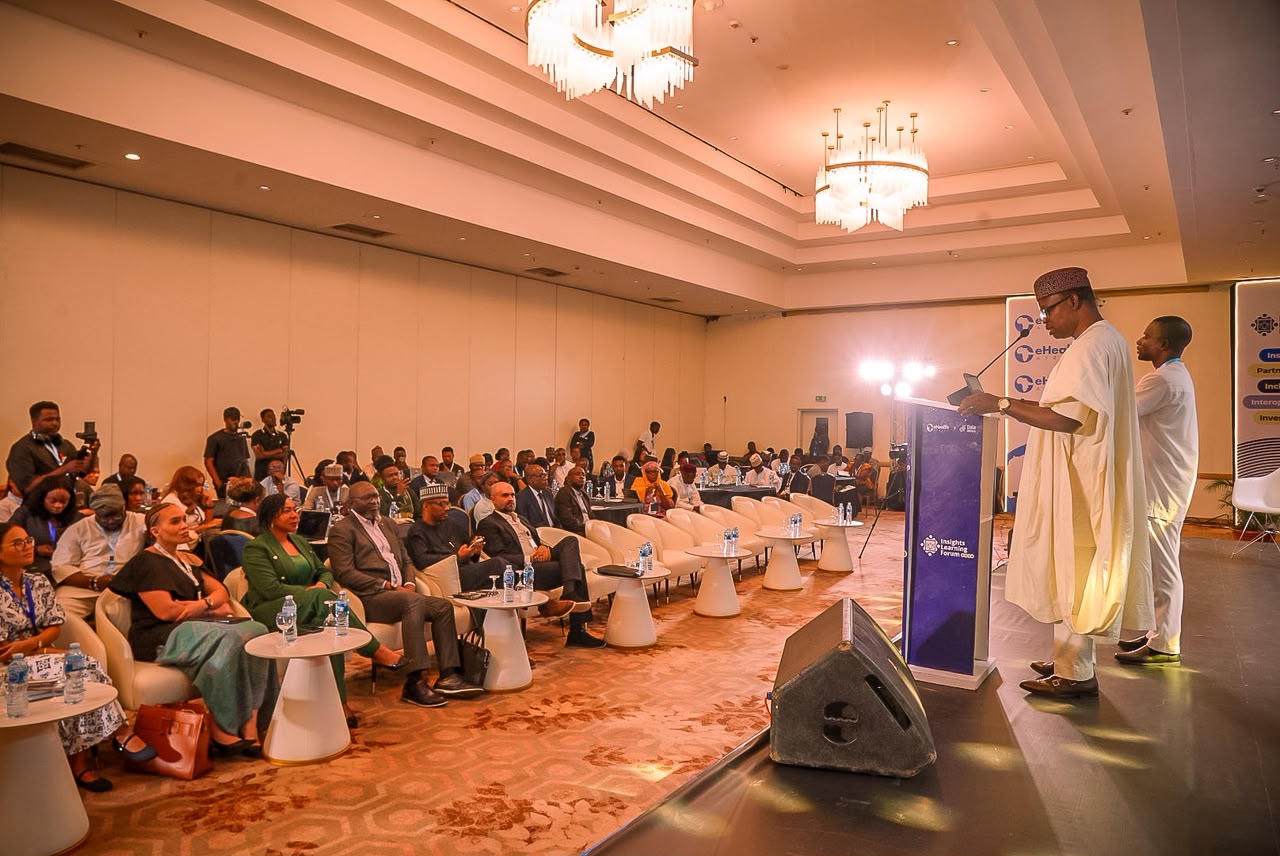
The Minister of State for Health and Social Welfare, Dr. Iziaq Adekunle Salako, stated this while delivering a keynote address at the Insights Learning Forum (ILF) 2026 held on Wednesday in Abuja.
Salako said the government’s ongoing health sector reforms are designed to address longstanding gaps in workforce, infrastructure, financing, and service delivery, while accelerating progress toward Universal Health Coverage (UHC).
He highlighted the rollout of the National Digital Health Architecture, endorsed by all states and the Federal Capital Territory, which aims to create an interoperable system based on the “One Patient, One Health Record” principle. According to him, innovations such as telemedicine are already expanding access to quality healthcare, especially in underserved communities.
The minister noted that the forum’s theme, “Strengthening National Health Systems Through Inclusive Policy, Innovation and Service Delivery,” aligns with the Nigeria Health Sector Renewal Investment Initiative (NHSRII) launched in December 2023 by President Bola Ahmed Tinubu.
He explained that the administration’s Eight-Point Health Agenda and Health Sector Strategic Blueprint are driving coordinated reforms to transition Nigeria’s healthcare system from fragmented interventions to integrated, impact-driven delivery.
Salako said the reforms could also save about ₦850 billion lost annually to outbound medical tourism and reduce preventable maternal and child deaths by up to 50 percent.
He listed key achievements to include the development of over 21 strategic health policies, expansion of health insurance coverage, construction of more than 500 health infrastructure projects, and establishment of 17 new federal tertiary health institutions and six Centres of Excellence for Cancer Care.
On financing, the minister reiterated government support for increasing the Basic Health Care Provision Fund (BHCPF) from one percent to two percent of the Consolidated Revenue Fund. He disclosed that ₦235 billion out of a cumulative ₦339 billion has been disbursed so far, including ₦32.9 billion released in the second quarter of 2026 to support over 8,300 Primary Healthcare Centres nationwide.
Salako also pointed to progress in strengthening the health workforce through improved recruitment and retention strategies, implementation of the Health Workforce Migration Policy, and engagement with Nigerian professionals in the diaspora.
Despite the gains, he acknowledged that challenges remain and called for stronger collaboration among state governments, development partners, the private sector, and health technology innovators to ensure alignment with national health priorities.
He reaffirmed the Federal Government’s commitment to a resilient, equitable, and technology-driven health system capable of meeting the needs of all Nigerians.
READ ALSO: FCMB Summit: Salako Urges Private Capital to Bridge Nigeria’s Healthcare Financing Gap
The minister further commended eHealth Africa for its partnership with the ministry, including solarizing 238 public health facilities across 12 states, strengthening health data systems, and supporting the establishment of Public Health Emergency Operations Centres.
The event brought together policymakers, development partners, and health sector stakeholders to discuss strategies for strengthening Nigeria’s healthcare system through innovation and inclusive policies.
About The Author