Mental health experts have called for more inclusive mental healthcare, warning that Nigerian immigrants may experience depression, chronic stress and emotional exhaustion despite appearing successful in their adopted countries.
The experts made the call at the maiden Nigerian Mental Health Summit, held virtually on Oct. 10 to commemorate the 2026 World Mental Health Day, themed “Lived Experiences Heard: Real Voices, Real Change”.
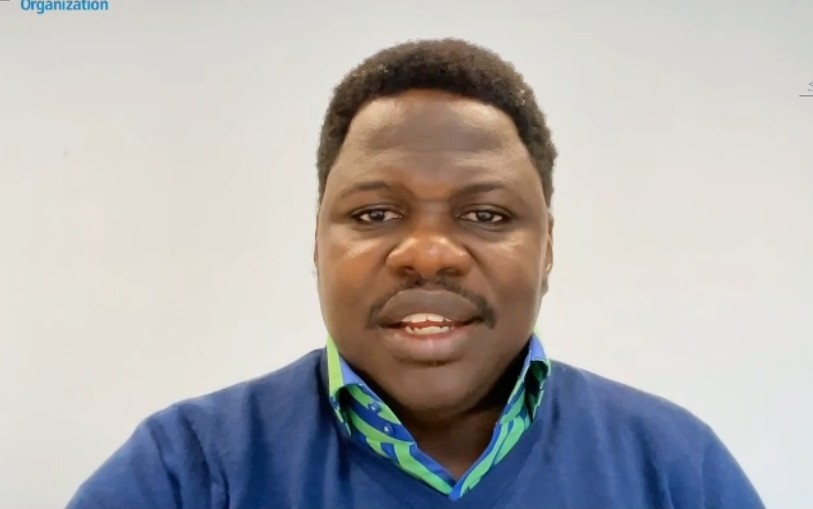
Speaking at the summit, Kehinde Ekpudu, a registered clinical social worker in Alberta, Canada, said migration could affect individuals’ identities, emotional well-being and sense of belonging, with many immigrants struggling silently while meeting professional and family responsibilities.
In a presentation titled “Beyond Survival: Nigerian Immigrant Mental Health—Lived Experiences, Identity and the Brain,” Ekpudu said the pressure to succeed in a new environment could conceal serious psychological challenges.
“When we talk about immigrant success, we celebrate how well people survive. But what happens when survival becomes a way of being?” she asked.
Ekpudu, who is also the founder of Twin Ocean, explained that Nigerian immigrants often had to balance their cultural heritage, professional expectations and family responsibilities while adapting to new social environments and navigating their experiences as Black people.
Citing a 2023 study by Aluh and other researchers, she said 51.7 per cent of Nigerian immigrants in Canada screened positive for depression.
She added that the study associated longer residence in Canada, particularly beyond 10 years, with higher odds of screening positive for depression.
According to her, prolonged uncertainty, migration-related pressures and constant adaptation could contribute to chronic stress, which may manifest in anxiety, sleep disruption, emotional exhaustion, difficulty concentrating and burnout.
“Sometimes what looks like resilience from the outside is a nervous system that has become very good at surviving,” she said.
The social worker warned that the ability to continue working and fulfilling responsibilities should not automatically be interpreted as evidence of emotional well-being.
She noted that cultural expressions such as “I am just tired”, “God will help me” and “I need to be stronger” could sometimes prevent people from acknowledging emotional distress or seeking professional support.
Ekpudu called for a shift from a narrow emphasis on survival towards helping immigrants establish a sense of belonging, reconcile different aspects of their identities and build lives in which they could thrive.
She explained that belonging meant feeling accepted without losing one’s identity, while integration involved embracing different aspects of oneself without feeling compelled to choose one over another.
Earlier, Dr Oluyinka Oyeniji, convener of the summit, called for a coordinated national approach to mental healthcare that reflected the lived experiences of patients, caregivers and families.
Oyeniji said the summit was designed to bring stakeholders together to advance mental health advocacy, research, policy development and access to care.
He described the Federal Government’s reported move to decriminalise attempted suicide as an important development in a campaign that had lasted more than 14 years.
He also stressed the need for sustained collaboration among government institutions, civil society organisations, researchers and other stakeholders to improve mental healthcare in the country.
Oyeniji said the summit examined the experiences of mothers affected by perinatal mental health disorders, caregivers of children living with Down syndrome, cerebral palsy, epilepsy and autism, and families caring for relatives with depression.
He identified Damilola Seriki and Babajide Balogun as advocates coordinating public and non-governmental efforts towards establishing a federal Mental Health Commission.
According to him, Lagos and Ekiti are the only states that have enacted mental health laws, while the Nigeria Mental Health Act, 2023, is undergoing amendments under the present administration.
He also called for discussions on insecurity, terrorism and violence to consider not only their underlying causes but also their psychological consequences for victims, families and affected communities.
The convener acknowledged the contributions of the Human Rights Foundation, led by Victor Fakunle, to human rights advocacy, and Philip Jakpor, executive director of the Renevlyn Development Initiative, to public enlightenment campaigns on environmental justice.
He also recognised Dr Olufunto Adeleye, lead of the Ladoke Akintola Neuroscience Group, which co-organised the summit, and the Neuroscience Society of Nigeria for their contributions to research into brain-related diseases.
Experts, including Jakpor, delivered goodwill messages in support of the summit and its call for more inclusive mental healthcare.
The summit urged stakeholders to give greater attention to the experiences of vulnerable individuals and families, stressing that mental health policies and services must reflect the realities of those affected rather than rely solely on general assumptions about resilience and recovery.
READ ALSO: FG Records 22% Drop in Maternal Health Facility Fatalities in Nigeria
20th Walk for Nature: Lagos, NCF Target Climate Action To Project Nature, Other
Oyeniji urged participants to use their professional experience and voices to promote reforms that would make mental healthcare more inclusive and responsive to Nigerians’ needs.
“May God use our voices not only to speak about causes and impact of mental health diseases as lived experiences but even more importantly to deliver real and positive change to Nigerians everywhere,” he said.
About The Author