By Fatima Saka
The Federal Government has revealed that Nigerian healthcare professionals in the diaspora impacted nearly 10,000 lives and trained over 2,000 frontline health workers during the 2026 Diaspora Health Impact Initiative (NDHII), as it pledged sweeping reforms to ease their participation in the country’s health sector.
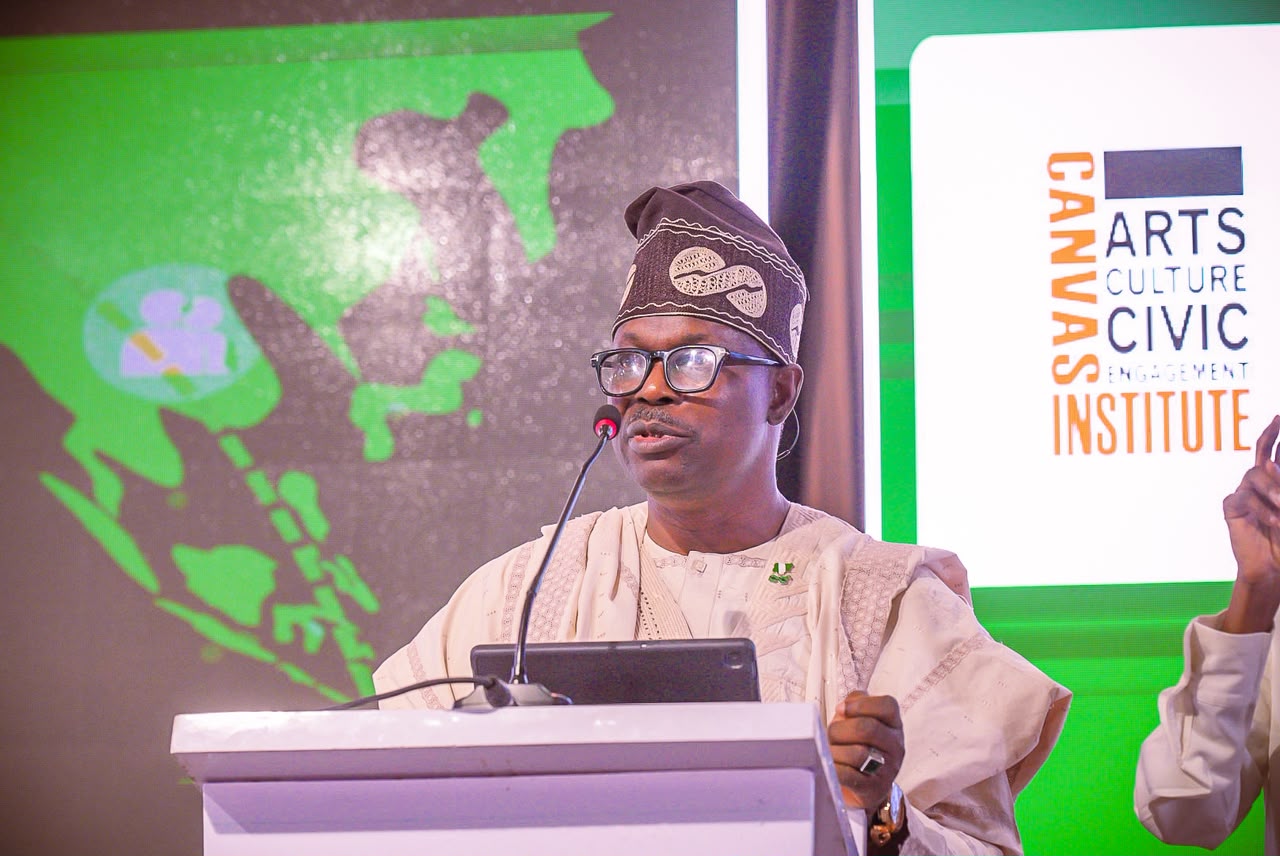
Minister of State for Health and Social Welfare, Dr. Iziaq Adekunle Salako, disclosed this in a special address at the National Diaspora Merit Award and closing ceremony of the NDHII held at the Banquet Hall of the State House, Abuja.
Salako commended diaspora medical teams drawn from across Europe, North America, Australia, and Africa for returning home to provide critical healthcare services, describing their contributions as “patriotism made visible” and a strong vote of confidence in the Federal Government’s Renewed Hope Agenda.
According to him, the initiative saw specialists conduct thousands of consultations, perform over 500 surgeries, and deliver targeted training programmes across all six geopolitical zones, covering states including Lagos, Edo, Kaduna, Kano, Sokoto, Borno, Enugu, Imo, Abia, Nasarawa, and Gombe.
He highlighted that UK-based professionals trained over 1,000 frontline health workers in safer childbirth practices in northern Nigeria, while teams from the Americas carried out more than 4,000 consultations and hundreds of surgeries in the South-East. Other interventions included advanced medical procedures in Lagos, ultrasound training in Benin City, and sickle cell screenings for thousands of students in the North-East.
The minister noted that the scale of impact demonstrated that Nigeria’s diaspora is not a distant asset but an active partner in strengthening the country’s healthcare delivery system.
He announced that the government is working to simplify licensing processes, provide visa and customs waivers, and create investment opportunities for diaspora professionals in hospitals, diagnostics, and pharmaceutical industries.
Addressing the long-standing issue of brain drain, Salako said the migration of Nigerian health workers was driven by systemic challenges such as poor remuneration, inadequate working conditions, and limited professional development opportunities. He, however, stressed that the current administration is making deliberate reforms to reverse the trend.
He added that Nigeria loses an estimated ₦4.8 trillion annually to preventable diseases and medical tourism, underscoring the urgency of rebuilding the health system through strategic partnerships.
The minister also unveiled new platforms, including the Diaspora Health Registry and the Nigerians in Diaspora Advance Health Programme Portal (NiDAH-P), aimed at connecting diaspora expertise with local healthcare needs and facilitating continuous engagement beyond short-term missions.
Salako commended the Nigerians in Diaspora Commission (NiDCOM), led by Chairman/CEO Hon. Abike Dabiri-Erewa, for spearheading the initiative, and acknowledged the support of President Bola Ahmed Tinubu and participating state governments.
He emphasized that the NDHII marks the beginning of sustained collaboration, urging diaspora professionals to remain engaged through telemedicine, research partnerships, and investment in Nigeria’s health infrastructure.
READ ALSO: Navy Hands Over 529 Bags of Smuggled Rice, Rescued Trafficking Victims in Badagry Crackdown
Nigeria Calls for Urgent De-escalation in Yemen–Saudi Crisis
“The diaspora is not a resource to be admired from afar. You are already here—working in our hospitals, training our people, and saving lives,” he said.
The event concluded with the recognition of outstanding Nigerians in the diaspora for their contributions to healthcare, innovation, and national development, reinforcing calls for continued collaboration to strengthen Nigeria’s health system.
About The Author