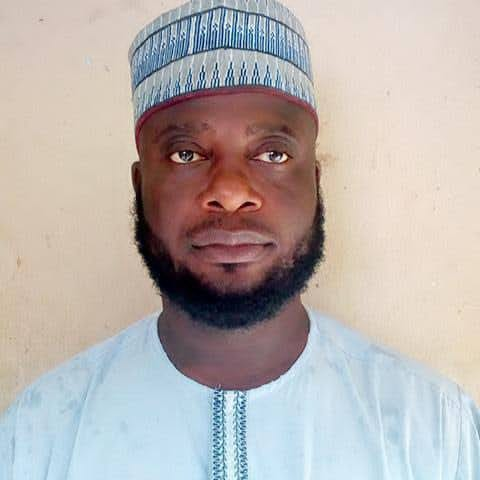
Chief Imam of Nagazi-Uvete Jumu’ah Mosque, Okene, Kogi State, Imam Murtadha Gusau, has warned political leaders against arrogance, oppression and abuse of power, saying no position of authority is permanent because Allah alone determines who rises and falls.
Gusau said the reported defeat suffered by United States President Donald Trump’s Republican Party in the November 3 midterm elections demonstrated that political influence, wealth and public support could not guarantee the continued possession of power.
The Islamic cleric, who delivered the message in his Thursday lecture, anchored his admonition on Qur’an 3:26, which teaches that Allah gives sovereignty to whom He wills and takes it away from whom He wills, honours whom He wills and humbles whom He wills.
He described the reported Democratic gains in the US elections as a powerful reminder to leaders who believe their positions make them untouchable, stressing that authority should be exercised with humility, justice and accountability.
According to him, the election outcome, which he described as a historic blue wave, reportedly handed Democrats control of both chambers of the US Congress, leaving Trump politically weakened during the remaining two years of his presidency.
Gusau noted that the reported scale of the Republican losses surprised political analysts, with Democrats making inroads into traditionally Republican strongholds and turning the election into a referendum on Trump’s leadership.
He cited the reported Democratic victory in Texas, where James Talarico defeated Republican Ken Paxton to claim a Senate seat, alongside gains in South Carolina, Iowa and Kansas.
He also referenced the reported defeat of longtime Republican Senator Susan Collins in Maine by Troy Jackson, as well as Chris Pappas’s victory over John Sununu in New Hampshire.
The Imam attributed the reported Republican setback partly to economic dissatisfaction and concerns about democracy, adding that Trump himself had acknowledged the impact of rising prices and unpopular policies on voters’ decisions.
For Gusau, however, the political development carries a deeper spiritual message, warning that leaders who build their influence on arrogance, division, intimidation and the humiliation of others eventually face the consequences of their actions.
Quoting Prophet Muhammad (peace be upon him), he said: “Arrogance is rejecting the truth and looking down upon people,” while recalling the historical examples of Pharaoh, Qarun and Namrud, who lost their power because they allowed pride to overtake their sense of accountability.
“Allah is Al-Mutakabbir — The Supreme, the Only One Justified in Pride. When a man tries to wear the cloak of pride, Allah strips it away,” he declared.
He stressed that political authority should be regarded as a temporary responsibility rather than a permanent possession, adding that genuine leadership is measured by fairness, service to the people and respect for human dignity.
Turning his attention to citizens, Gusau urged Nigerians and voters across the world to recognise their electoral responsibilities, describing the voter’s card as more than an ordinary identification document.
He said it represents an amanah (sacred trust) and a shahadah (testimony before Allah), warning that selling votes for temporary benefits, supporting oppressive candidates because of tribal or religious sentiments, or refusing to vote out of cynicism carries serious moral consequences.
He referenced Qur’an 2:283 and 4:58 to emphasise the obligation to uphold truthful testimony, protect trust and ensure that responsibilities are discharged with justice.
Using the example of the ant in the army of Prophet Sulaiman, Gusau encouraged citizens not to underestimate their individual contributions to society, noting that even seemingly insignificant voices can help protect a community.
He said nobody would be expected to repair the entire world alone, but everyone would be accountable for how they used the opportunities and responsibilities entrusted to them by Allah.
The cleric also celebrated what he described as historic electoral gains by Muslims in the United States, highlighting Abdul El-Sayed’s reported emergence as the first Muslim elected to the US Senate from Michigan.
READ ALSO: Senate Advances Barau’s Agricultural Revolution Bill to Boost Food Security, Modernise Farming
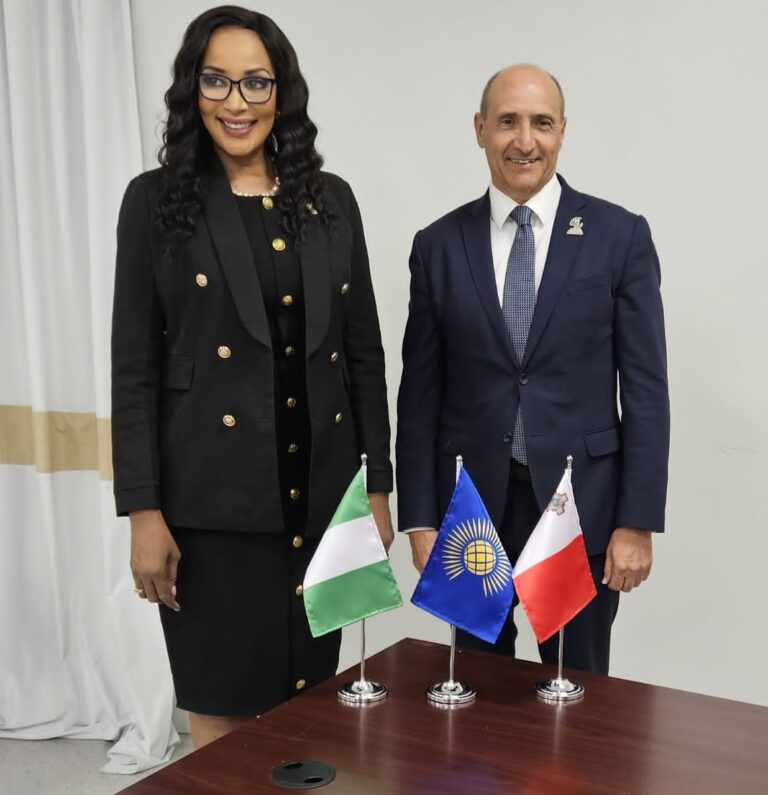
Nigeria Secures Key Commonwealth Leadership Role, Odumegwu-Ojukwu Emerges CMAG Vice-Chair
He further mentioned the re-election of Muslim lawmakers, including Ilhan Omar, Rashida Tlaib and Andre Carson, alongside the reported emergence of dozens of first-time Muslim lawmakers at state level.
Gusau said the developments offered another reminder that leadership and public service should be guided by competence, responsibility and justice, rather than religious or political superiority.
About The Author