By Fatima Saka
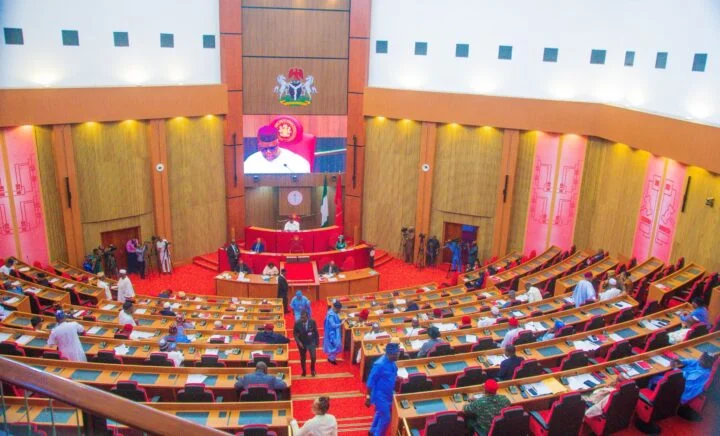
Abuja, Nigeria — The Senate on Thursday nullified the purported arrest warrant issued against former Group Managing Director of the Nigerian National Petroleum Company Limited (NNPCL), Mele Kyari, and formally distanced itself from remarks by Senator Adams Oshiomhole describing the national oil firm as “a bunch of criminals and thieves.”
The resolutions followed an extensive debate triggered by a motion raised by Senate Leader, Senator Opeyemi Bamidele, under Sections 88 and 89 of the 1999 Constitution, seeking clarity on the powers of Senate committees, particularly regarding investigative procedures and the issuance of warrants.
Leading the debate, Bamidele stressed that while the National Assembly possesses broad oversight powers, such authority must be exercised within the bounds of constitutional safeguards, due process, and parliamentary decorum.
“The Senate, as an institution established under the Constitution, is bound at all times to conduct its proceedings in accordance with the principles of fairness, objectivity, parliamentary responsibility and respect for the rule of law,” he said.
The Senate Leader raised concerns over reports that the Committee on Public Accounts had moved to issue a warrant of arrest against Kyari for failing to honour multiple invitations, as well as remarks attributed to Oshiomhole which, he warned, could suggest bias and prejudgment in an ongoing probe.
Supporting the motion, Senator Mohammed Tahir Monguno emphasised the need for lawmakers to uphold the same legal standards they enact, warning against actions that could undermine public trust.
Similarly, Senator Abba Moro cautioned against inflammatory statements that could portray the Senate as pursuing a witch-hunt, noting that Nigerians closely scrutinise legislative conduct.
Several lawmakers also criticised Oshiomhole’s remarks, with Senator Adamu Aliero describing them as “reckless and unfortunate,” warning that such statements could damage Nigeria’s image and discourage foreign investment.
Former Senate Chief Whip, Senator Orji Uzor Kalu, underscored the strategic importance of NNPCL to the nation’s economy, urging Oshiomhole to withdraw his comments.
Responding, Oshiomhole defended his position, stating that his remarks were made during heated exchanges while questioning NNPCL officials over audit reports alleging discrepancies running into trillions of naira. He also maintained that the committee had no authority to issue arrest warrants, clarifying that such powers reside solely with the Senate President.
Following deliberations, Senate President Godswill Akpabio put the motion to a voice vote, with all eight prayers adopted.
Key resolutions included affirming that only the Senate President has the statutory authority to issue warrants compelling witness attendance, and that no committee may independently authorise or execute such actions.
The Senate also formally disassociated itself from Oshiomhole’s comments on NNPCL, stating that they do not reflect its official position or findings.
In a decisive move, the upper chamber nullified the purported arrest warrant against Kyari and reaffirmed its commitment to due process, fair hearing, and the presumption of innocence.
A proposal to establish an ad hoc committee to investigate the alleged financial discrepancies failed after it did not receive support.
However, an additional resolution urging individuals appearing before Senate committees to conduct themselves respectfully was adopted.
Closing the session, Akpabio said the Senate acted to correct public perception and protect Nigeria’s economic interests.
“If the Nigerian Senate is seen to be criminalising what NNPCL stands for, no country will wish to do business with Nigeria,” he said.
Gov Uzodimma Pledges ₦1m Each to Imo Returnees – NiDCOM Boss Reveals
He also announced plans to meet with members of the Public Accounts Committee to provide guidance on proper legislative procedures.
The resolutions reaffirm the Senate’s oversight role while imposing stricter procedural limits on its committees, particularly in relation to arrest powers and public commentary during investigations.
About The Author