
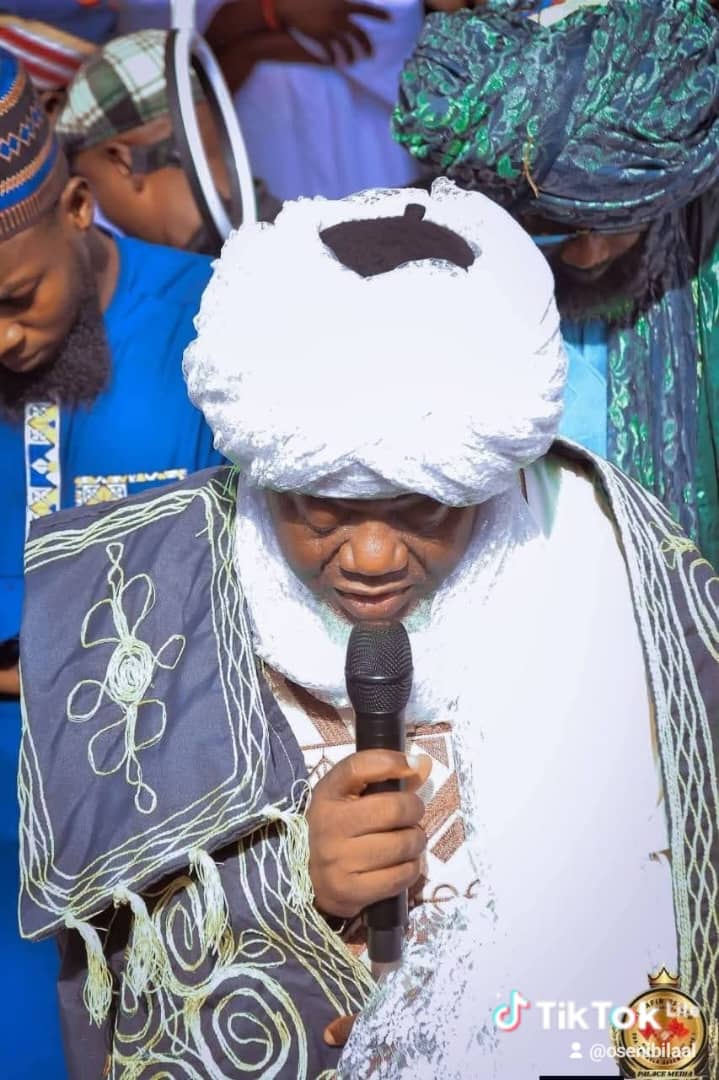
The Grand Chief Imam of Oyo Land, Sheikh Al-Imam Barrister Bilal Husayn Akinola Akeugberu, has called for the institutionalisation of a unified leadership structure for Muslims across Yorubaland, Edo and Delta States, urging stakeholders to adopt a single coordinated platform under the Aare Musulumi.
In a statement issued on Monday, the respected Islamic cleric said the move had become necessary in light of growing public disagreements, divergent views and controversies within the Muslim community, warning that such divisions could weaken its collective strength and credibility.
He advocated for the recognition of the Office of the Aare Musulumi of Yorubaland, Edo and Delta—currently held by Alhaji Dahood Akinola Makanjuola—as the central coordinating body for official engagement with government institutions, corporate organisations and other stakeholders on issues affecting Muslims.
According to him, while Islamic organisations, societies and advocacy groups should continue their independent religious and humanitarian activities, a unified platform would ensure that the Muslim Ummah speaks with one voice on matters of public concern.
The cleric stressed that Islam promotes unity, consultation and mutual respect, noting that although differences in scholarly opinions are permissible, public discourse on issues affecting Muslims should reflect harmony and shared purpose.
He clarified that the proposed structure would not undermine the autonomy of existing Islamic bodies nor interfere in doctrinal matters such as Aqeedah, Fiqh and Fatwa, which remain the exclusive responsibilities of Islamic scholars and jurists.
Akeugberu also highlighted the historical precedent set during the tenure of the late Aare Musulumi, Alhaji AbdulAzeez Arisekola Alao, whose leadership, he said, fostered unity among Islamic scholars, organisations and professionals across Yorubaland.
“We have witnessed how unity of purpose strengthened the influence of the Muslim Ummah in the past. There is no reason such a model cannot be replicated today,” he said.
The Grand Chief Imam further distinguished between religious leadership and administrative representation, noting that while scholars provide spiritual guidance, the Aare Musulumi should serve as a rallying point for policy advocacy and institutional engagement.
READ ALSO: Nigeria, Holy See Celebrate 50 Years of Diplomatic Relations, Pledge Deeper Cooperation
He called on Islamic scholars, leaders, youth groups and other stakeholders to embrace dialogue, sincerity and collective responsibility in order to strengthen unity within the Muslim community.
The statement added that prayers for unity, wisdom and harmony among Muslim leaders, citing a Qur’anic injunction urging believers to remain united and avoid division.
About The Author