Nigeria has called for a more strategic, equitable and resilient partnership between Africa and Europe as both continents grapple with rising geopolitical uncertainties.
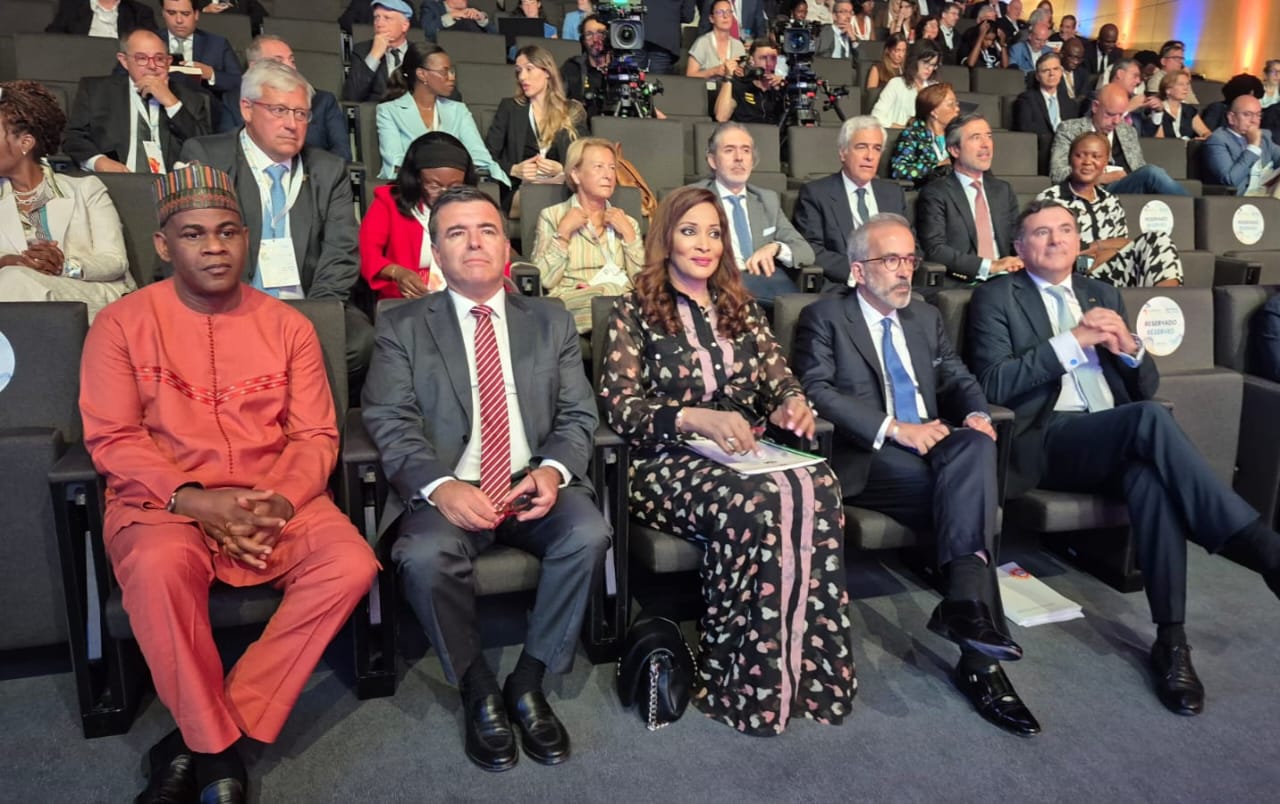
The Minister of Foreign Affairs, Bianca Odumegwu-Ojukwu, made the call while speaking at a geopolitics panel during the Portugal EurAfrican Forum 2026.
Addressing participants at the forum themed “How Will Africa and Europe Navigate Global Geopolitical Turmoil?”, the minister emphasised that current global challenges—including armed conflicts, economic fragmentation, terrorism, climate change, food insecurity and supply chain disruptions—require stronger cooperation anchored on mutual respect and shared responsibility.
She stressed that Africa must no longer be viewed merely through the lens of humanitarian crises or resource extraction, but as a strategic partner with vast human capital, natural resources, expanding markets and growing innovation potential.
Odumegwu-Ojukwu outlined four key priorities to deepen Africa-Europe relations. These include promoting economic resilience through industrialisation, infrastructure and technology development; strengthening collaboration on peace, security and counter-terrorism; advancing fair climate action through increased financing and technology transfer; and reforming global governance institutions to reflect present-day geopolitical realities.
She also advocated permanent representation for Africa on the United Nations Security Council as part of broader reforms to global governance structures.
The minister reaffirmed that Nigeria’s foreign policy under the Renewed Hope Agenda of President Bola Ahmed Tinubu is focused on strategic engagement, economic diplomacy, regional stability and mutually beneficial international partnerships.
READ ALSO: US House Moves to Halt All Foreign Aid to Nigeria Over Religious Violence Concerns
NCAA Advocates for Strong Regulation to Curb Monopoly, Protect Air Travellers
She further urged African nations to pursue strategic autonomy by engaging global partners from a position of strength, guided by national and continental interests rather than external geopolitical rivalries.
Odumegwu-Ojukwu further called for a shift from dependency to genuine partnership between Africa and Europe, noting that collaboration built on trust, innovation and shared responsibility would better equip both regions to navigate global uncertainties and foster a more peaceful and inclusive world order.
About The Author