
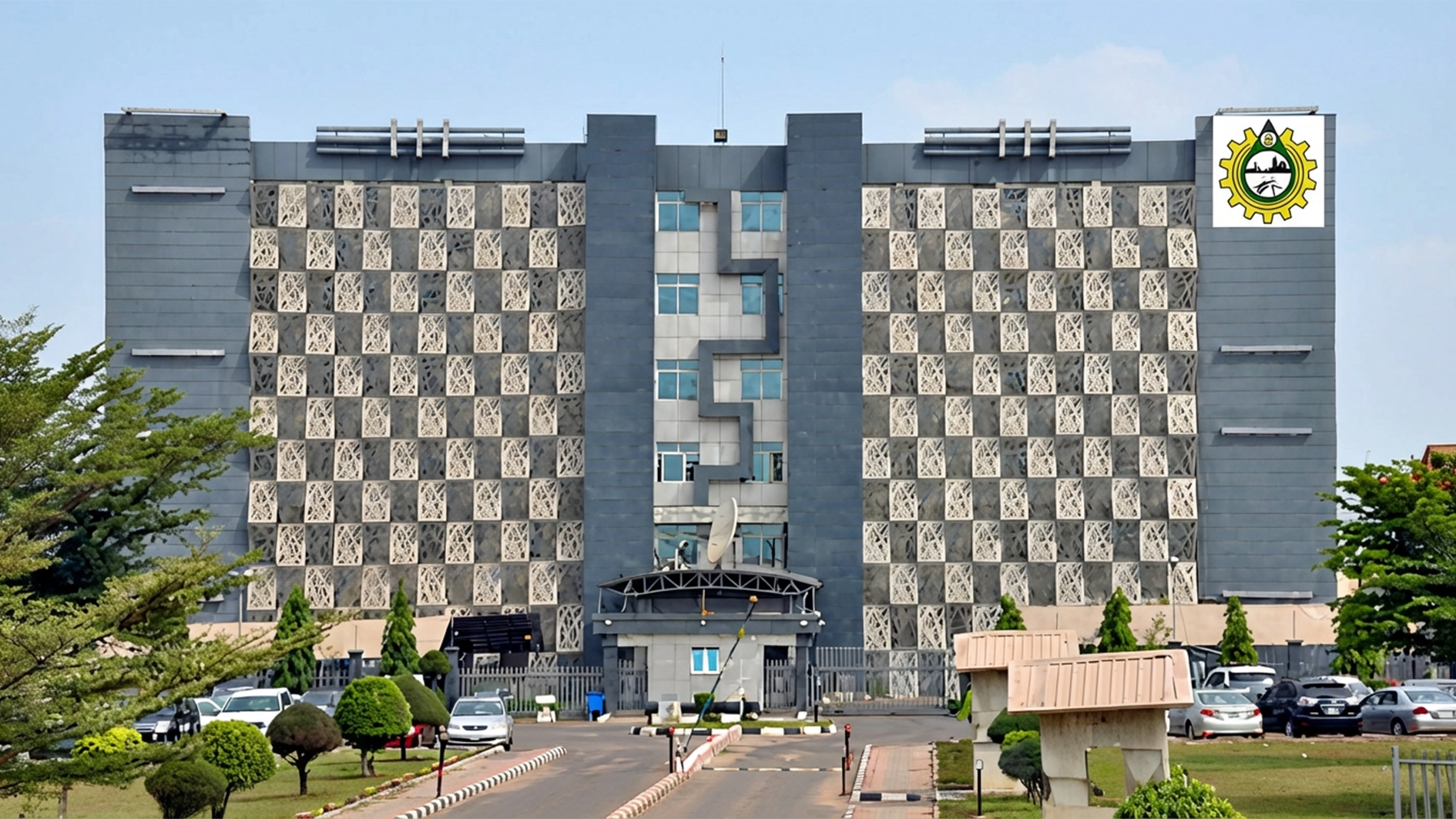
Abuja, Nigeria — The Muslim Rights Concern (MURIC) has accused the Nigerian Midstream and Downstream Petroleum Regulatory Authority (NMDPRA) of insincerity, alleging that the regulatory body is still issuing licences for petrol importation despite earlier assurances that the practice had been halted.
The criticism was contained in a statement issued on Saturday by MURIC’s Executive Director, Ishaq Akintola, who described the alleged continued issuance of import licences as dishonest and capable of undermining the growth of Nigeria’s local refining industry.
Akintola said the policy could negatively affect the economy by sustaining petrol importation when local production capacity is increasing, particularly with the operations of the Dangote Refinery.
According to him, the continued importation of Premium Motor Spirit (PMS) contradicts the impression previously given by NMDPRA that fuel import licences had been suspended following improved domestic refining output.
He alleged that at least six companies are still importing petrol, a development he said undermines transparency and accountability in the country’s petroleum sector.
“The policy is dishonest and calculated to mislead the public. It is capable of retarding the growth of local refineries with the attendant consequences such as petrol scarcity, higher fuel costs, pressure on the naira and rising inflation,” Akintola stated.
MURIC also questioned the rationale behind further petrol importation, citing figures released by the regulator indicating that Nigeria’s daily petrol consumption stands at about 56.9 million litres, while the Dangote Refinery alone has the capacity to produce 75 million litres of petrol per day, alongside 25 million litres of diesel and 20 million litres of jet fuel.
The group argued that allowing continued importation could drain Nigeria’s scarce foreign exchange reserves and discourage investment in domestic refining.
Akintola further claimed that the operations and export activities of the Dangote Refinery had begun to positively impact the economy by boosting foreign exchange inflows and easing inflationary pressures.
READ ALSO: Conference Organiser Denies Alleged Diversion of Police Retreat Funds
Rising Heatwave: NEMA Warns Nigerian’s against Fire Outbreaks, Health Risks
He urged the regulator to prioritise local refineries in line with the provisions of the Petroleum Industry Act 2021, which stipulates that import licences should only be issued to bridge gaps between domestic refining capacity and national demand.
MURIC called on the authorities to ensure transparency in petroleum sector policies and warned that any action perceived to favour fuel importers over local refiners could undermine Nigeria’s economic stability and energy independence.
About The Author