
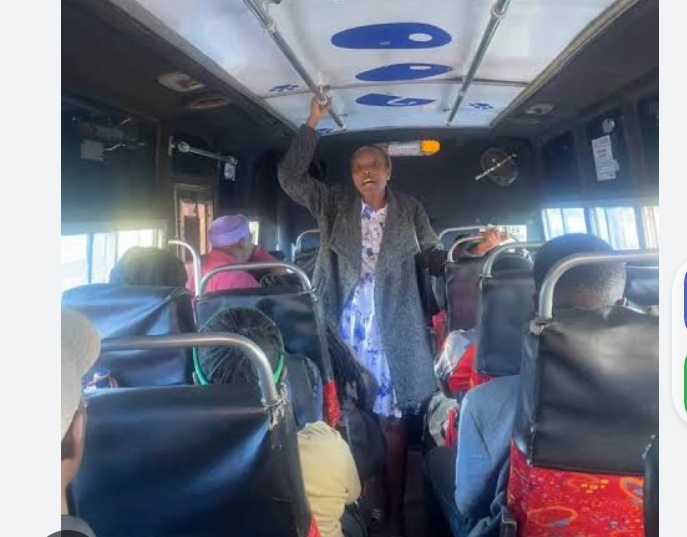
Lagos, Nigeria — The Muslim Rights Concern (MURIC) has accused the South-West zone of the Christian Association of Nigeria (CAN) of sponsoring preaching activities in commercial buses, describing the group’s opposition to a proposed ban as an “admission of guilt.”
In a statement issued on Saturday, MURIC’s Executive Director, Prof. Ishaq Akintola, said CAN’s rejection of the Federal Road Safety Corps (FRSC)-backed bill seeking to prohibit preaching inside commercial vehicles confirms its alleged role in encouraging the practice.
The Islamic human rights organisation was reacting to a statement reportedly issued on Friday, July 24, by the South-West Chairman of CAN, Bishop Barnabas Akinsanya, opposing the proposed legislation.
Akintola described CAN’s stance as “disappointing,” accusing the Christian body of failing to regulate its members and allowing actions that, according to him, infringe on the rights of other commuters.
He argued that while CAN cited constitutional rights to justify its position, the rights of a single preacher should not override those of other passengers in a confined public space such as a commercial bus.
“The question is whether one individual’s right to preach should disturb the peace and comfort of the majority of passengers, including the driver, who must remain focused,” Akintola said.
He stressed that constitutional freedoms are not absolute, noting that personal liberty ends where another person’s rights begin. According to him, preaching should be conducted in designated religious spaces or within gatherings of like-minded worshippers, rather than in public transport shared by people of diverse beliefs.
MURIC further warned that continued insistence on bus preaching could heighten tensions, cautioning that some Nigerians may resist what it described as the imposition of religious practices in shared public spaces.
The group urged the National Assembly to proceed with the bill and called on President Bola Ahmed Tinubu to support efforts aimed at maintaining public order and mutual respect among citizens.
READ ALSO: NFLV Warns Against Cross-Border French Studies, Cites Risks to Students’ Future
“The ideal situation is one where all religious groups practice their faith without imposing it on others in public spaces,” Akintola added.
The proposed bill on banning preaching in commercial vehicles has sparked debate among religious groups and civil society, with supporters citing the need for public order and opponents raising concerns over freedom of expression and religion.
About The Author