By Fatima Saka
President Bola Ahmed Tinubu has announced plans to institutionalise the Diaspora Healthcare Impact Initiative (DHII) as part of efforts to strengthen Nigeria’s health system by harnessing the expertise of medical professionals abroad.
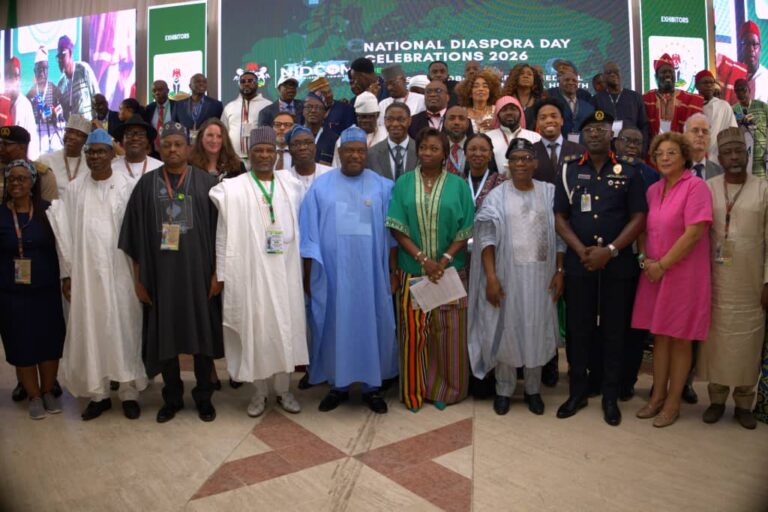
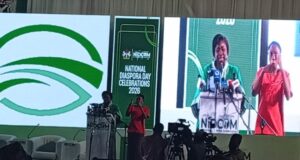
Speaking at the 2026 National Diaspora Day (NDD) celebration held at the State House Banquet Hall, the two events which started on Friday in Abuja, revolving around the Theme: “Harnessing Global Diaspora Medical Expertise To Strengthen Local Health Systems For National Development.”
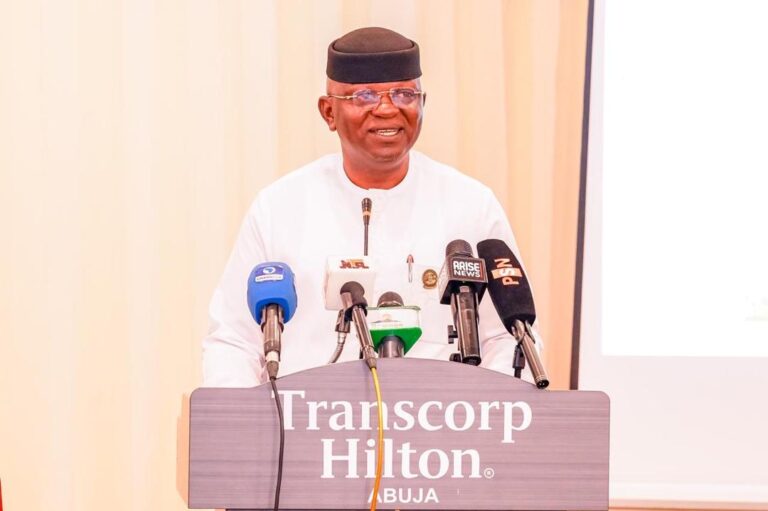
The President who was represented by Senator George Akume, the Secretary to the Government of the Federation (SGF) said the initiative would provide a structured platform to coordinate diaspora contributions, offer incentives for returning professionals, and ensure transparency in delivering measurable healthcare outcomes.
Tinubu emphasised that Nigeria’s diaspora remains one of the country’s greatest assets, noting that Nigerian doctors, nurses and researchers across the world continue to excel and contribute significantly to global healthcare systems.
“Our diaspora’s expertise, networks and commitment are invaluable resources for national development,” he said, adding that the government is determined to bridge the gap between global Nigerian professionals and local health institutions.
The President outlined key strategies to revitalise the health sector, including expanding diaspora-led medical missions across communities, establishing knowledge transfer partnerships with universities and teaching hospitals, and leveraging telemedicine to connect specialists abroad with patients in Nigeria.
He also highlighted plans to encourage diaspora-led investments in hospitals, pharmaceutical industries and research centres, while strengthening the Nigerians in Diaspora Commission (NiDCOM) to enhance coordination.
Tinubu acknowledged persistent challenges facing the healthcare system, such as inadequate infrastructure, shortage of skilled personnel and gaps in research and innovation, but expressed confidence that collaboration with diaspora professionals would turn these challenges into opportunities.
Tinubu called on Nigerians in the diaspora to actively contribute to national development, stressing that their skills are critical to building a resilient and inclusive healthcare system.
“Whether you are a surgeon in London, a researcher in Boston or a nurse in Johannesburg, your expertise is vital to ensuring that no Nigerian is denied quality healthcare,” he said.
The President also congratulated recipients of the National Diaspora Merit Award, urging them to continue making the country proud in their respective fields.
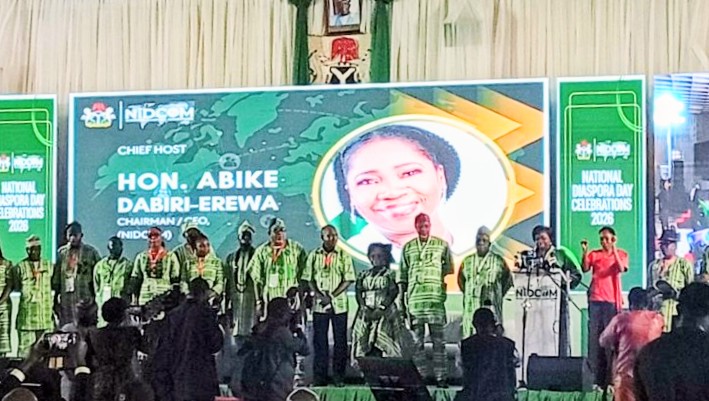
He commended NiDCOM, led by Chairman/CEO Abike Dabiri-Erewa, for its role in connecting Nigerians abroad to national development and facilitating initiatives like the DHII.
Earlier in her remarks, Dabiri-Erewa said the commission has, since its establishment in 2019, moved “from policy to impact,” citing achievements in diaspora engagement, data mapping, and investment mobilisation.
She disclosed that diaspora medical missions under the DHII have reached over 20 states, providing services ranging from maternal and child healthcare to specialised surgeries and training for local health workers.
According to her, diaspora contributions have also supported hospitals and primary healthcare centres with equipment worth billions of naira, while telemedicine and remote surgical collaborations are becoming increasingly common.
Dabiri-Erewa further revealed that diaspora remittances grew from $17 billion in 2019 to over $21 billion in 2025, underscoring the economic significance of Nigerians abroad.
The NiDCOM boss added that the commission is building a national diaspora database in partnership with relevant agencies and expanding programmes in education, technology and investment to deepen engagement.
She also highlighted upcoming events, including the Nigeria-Saudi Investment and Tourism Summit scheduled for August 4–5, 2026 in Abuja, and the Nigeria Diaspora Economic Conference (NIDEC) in Toronto from August 13–15, 2026.
Also speaking, the Minister of State for Foreign Affairs, Ambassador Sola Enikanolaiye, described the diaspora as a strategic pillar of Nigeria’s foreign policy, stressing that migration should not be viewed negatively but as an opportunity for national growth.
He said Nigerians abroad play a critical role in advancing development through investments, innovation and knowledge transfer, urging stronger institutional frameworks to maximise their contributions.
Similarly, the Minister of State for Health and Social Welfare, Dr. Iziaq Adekunle Salako, called for deeper collaboration between Nigeria and its healthcare professionals in the diaspora, describing their expertise and global networks as vital to ongoing health sector reforms.
Salako, who delivered the ministry’s goodwill message, said the DHII has provided a strategic platform for mobilising diaspora professionals to support healthcare delivery through medical missions, specialist surgeries, telemedicine, research collaboration and capacity building.
According to him, the initiative has demonstrated the enormous potential of Nigerian professionals abroad in improving access to quality healthcare and advancing the country’s goal of achieving universal health coverage.
He noted that strengthening partnerships between local institutions and diaspora experts would help bridge manpower gaps, improve specialist care, enhance medical education and accelerate innovation in the sector.
The minister also commended Nigerian medical associations across the United Kingdom, United States, Canada, Germany, Australia and South Africa for their continued contributions through outreach programmes, professional exchanges and healthcare investments.
On the legislative front, the Vice Chairman of the Senate Committee on Diaspora and NGOs, Senator Anthony Siyako Yaro, assured Nigerians abroad that efforts to secure diaspora voting rights were progressing, expressing optimism that the legal framework would be completed before the next electoral cycle.
“Diaspora voting is on course. We assure you that by the next dispensation, it will be accomplished,” he said.
Yaro also challenged diaspora professionals and investors to support the establishment of vaccine production facilities in Nigeria, stressing the need for the country to reduce dependence on imported vaccines and strengthen its preparedness for public health emergencies.
Defence Workshop: CDS Urges Whole-of-Society Approach to Strengthen National Resilience
“I want to see a vaccine production centre established in Nigeria… let us begin to produce even the most difficult vaccines here at home,” he added.
Goodwill messages were delivered by other diplomatic missions, development partners and professional bodies, including the Nigerian Medical Association (NMA) and diaspora medical groups.
The 2026 National Diaspora Day celebration, themed “Harnessing Global Diaspora Medical Expertise to Strengthen Local Health Systems for National Development,” brought together stakeholders from government, the private sector and international organisations to deepen collaboration with Nigerians abroad.
About The Author