LAGOS — The Lagos Waste Management Authority (LAWMA) has unveiled sweeping infrastructure, regulatory and operational reforms aimed at ending persistent waste backlog across the state, with new facilities and systems expected to significantly improve sanitation and create about 5,000 jobs by early 2027.
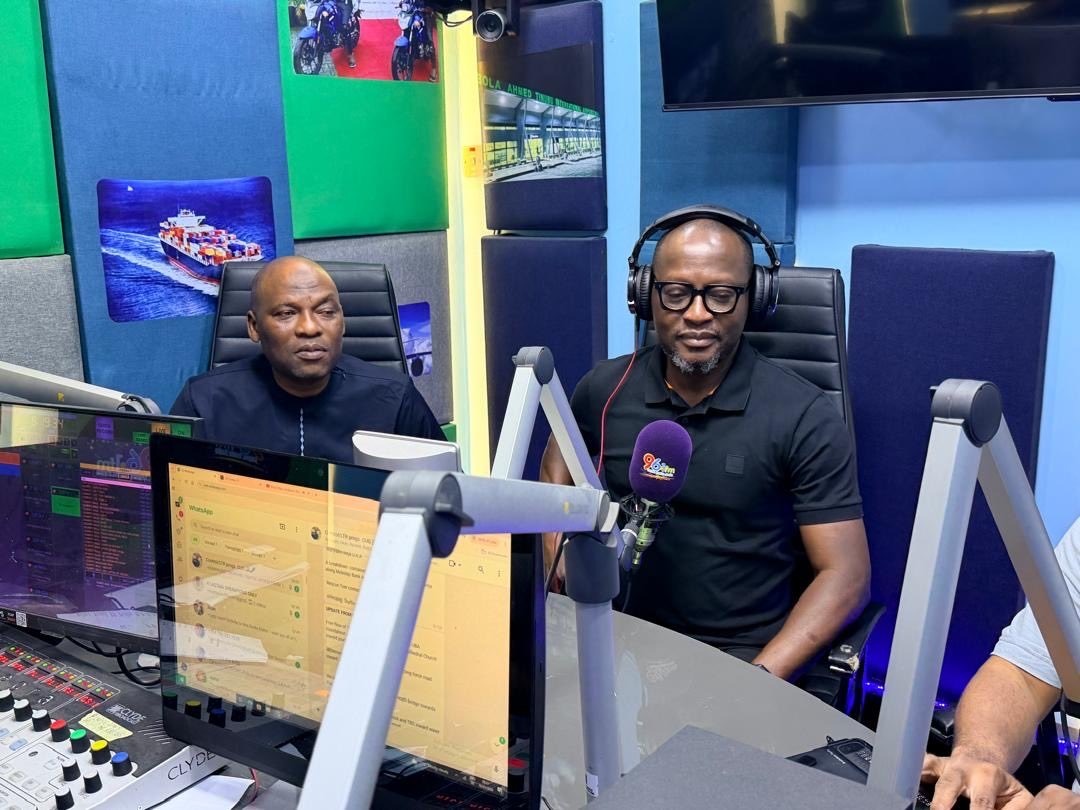
The Managing Director of LAWMA, Dr. Muyiwa Gbadegesin, disclosed this during a live interview on Lagos Traffic Radio’s Talk Time programme on Saturday, outlining a transition from ageing landfill systems to modern waste processing solutions.
Gbadegesin attributed the resurgence of waste on roads and inner streets to ageing landfill facilities, increasing waste generation, heavy rainfall and inadequate disposal infrastructure. He noted that Lagos generates between 13,000 and 15,000 tonnes of waste daily, driven by its estimated population of 22 million.
He revealed that two of the state’s major dumpsites, Olusosun and Solous III, had reached the end of their operational lifespan, necessitating a shift to more sustainable waste management systems.
According to him, LAWMA is replacing conventional landfills with Transfer Loading Stations (TLS), Material Recovery Facilities (MRFs) and waste-to-energy plants designed to process waste more efficiently and reduce environmental impact.
He said transfer loading stations under construction at Olusosun and Solous would handle thousands of tonnes of waste daily, with the Olusosun facility alone expected to process 2,500 tonnes per day.
Gbadegesin added that a material recovery facility in Ikorodu would mechanically recover up to 90 per cent of incoming waste, converting organic materials into compost or energy and recycling plastics into reusable products, leaving only minimal residue for engineered landfills.
He disclosed that LAWMA had also commenced deployment of waste-to-energy technologies, including biodigesters that convert market waste into biogas for electricity and cooking. He cited the Ikoyi Fruit Market biodigester as a working example.
The LAWMA boss identified poor public compliance with waste management regulations as a major challenge, stressing that households are required to maintain waste bins and subscribe to licensed Private Sector Participation (PSP) operators.
He warned against indiscriminate dumping, describing it as an act of sabotage that contributes to flooding, traffic congestion and infrastructure damage.
Gbadegesin said the authority had strengthened enforcement through its Project WISE initiative, deploying undercover teams to monitor illegal dumping and prosecute offenders, with thousands of convictions already secured.
He added that LAWMA was working with the Lagos State Ministry of the Environment and the House of Assembly to review environmental laws and introduce stricter penalties.
On service delivery, he assured residents that LAWMA provides backup waste evacuation within 48 hours where PSP operators default, while erring operators face sanctions including licence withdrawal.
Gbadegesin also announced the expansion of tricycle-based door-to-door waste collection in hard-to-reach communities, alongside plans for community recycling centres where residents can exchange recyclables for cash.
He estimated the annual value of recyclable materials in Lagos at about 2.5 billion dollars, describing waste as a significant economic resource.
The managing director said LAWMA had received 10 additional compactor trucks and expected 150 more before year-end, although the state requires about 2,000 trucks for optimal operations.
He further disclosed that seven transfer loading stations were under construction or rehabilitation across key locations, with a long-term target of 20 facilities under a three-year infrastructure plan.
READ ALSO: Stakeholders Demand Stronger Partnerships to Drive Disability Inclusion
FG Launches Diaspora Health Programme to Tackle Workforce Shortage, Turn ‘Japa’ to Brain Gain
Gbadegesin assured residents that ongoing interventions, including landfill road rehabilitation and infrastructure upgrades, would yield visible improvements in the coming weeks.
“By August, when rainfall reduces, the situation will improve further. Before December, Lagosians should expect a cleaner environment and a cleaner festive season,” he said.
About The Author