A leading Nigerian health expert has warned that weak disease surveillance systems, inadequate research and poor community engagement are major drivers of persistent Ebola outbreaks in parts of Africa.
Prof. Bamidele Iwalokun, Director of Research at the Nigeria Institute of Medical Research, made the disclosure on Monday during an Ebola Disease Update webinar organised by Preventive Health Nigeria Advocacy Operations Ltd.
Iwalokun identified four critical gaps undermining global efforts to contain recurring outbreaks in the Democratic Republic of Congo (DRC) and Uganda. These include inadequate genomic surveillance, weak implementation research, limited scientific understanding of non-Zaire Ebola virus species, and insufficient investment in research and innovation.
According to him, the absence of comprehensive genomic intelligence for all human pathogenic Ebola strains has significantly weakened surveillance and response systems.
He further noted that limited knowledge of the evolution and transmission dynamics of the Bundibugyo strain and other non-Zaire species has slowed progress in developing effective diagnostics, therapeutics and vaccines.
“These gaps have contributed to prolonged Ebola outbreaks by limiting coordinated public health interventions,” he said.
The expert also highlighted the lack of early warning systems and actionable data to predict outbreaks in high-risk countries, warning that inadequate funding continues to hamper the development of rapid diagnostic tools and vaccines.
Iwalokun stressed that community resistance, often driven by cultural practices, remains a major obstacle to controlling the disease. He explained that many cases are reported at advanced stages, increasing the risk of transmission.
He called for proactive community-based surveillance, deployment of rapid immune-based diagnostic tools, and increased funding for point-of-care test kits that can be used in remote settings without transporting samples over long distances.
He also emphasised the need to address cultural practices related to the handling and burial of Ebola victims, which continue to complicate containment efforts in affected countries.
Also speaking, Dr. Linus Ndegwa, an epidemiologist with the Kenya Centre for Disease Control and Prevention, dispelled common misconceptions about Ebola transmission.
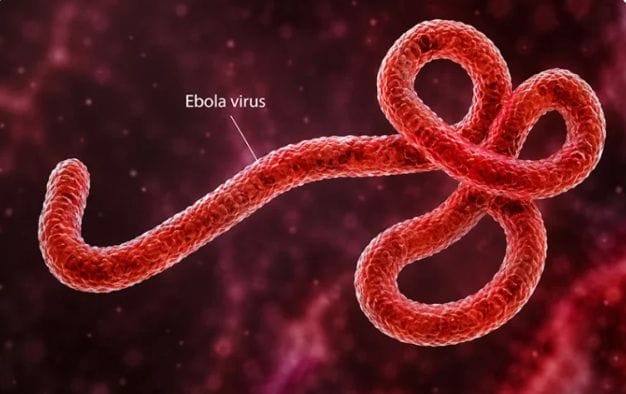
He clarified that Ebola is not airborne and is not transmitted by mosquitoes, ticks or other insects. Instead, the virus spreads through direct contact with infected blood, bodily fluids, or contaminated materials entering the body through broken skin or mucous membranes.
Ndegwa added that healthcare workers, family caregivers and those involved in handling the remains of infected persons face the highest risk when infection prevention protocols are not strictly followed.
He emphasised that accurate public information is critical to reducing stigma, preventing panic and encouraging communities to adopt effective preventive measures.
Earlier, the convener of the webinar, Mr. Adekola Wojuola, urged Nigerians to intensify awareness campaigns to prevent a potential outbreak in the country.
READ ALSO: LAWMA Targets End to Waste Backlog with Major Infrastructure Overhaul, 5,000 Jobs by 2027
Stakeholders Demand Stronger Partnerships to Drive Disability Inclusion
“Nigeria is dealing with many challenges and cannot afford an Ebola outbreak. We must take the message to our communities to ensure the country remains Ebola-free,” he said.
Meanwhile, the World Health Organisation (WHO) reported that as of July 15, a total of 2,124 confirmed Ebola cases, including 828 deaths, have been recorded in the DRC.
About The Author