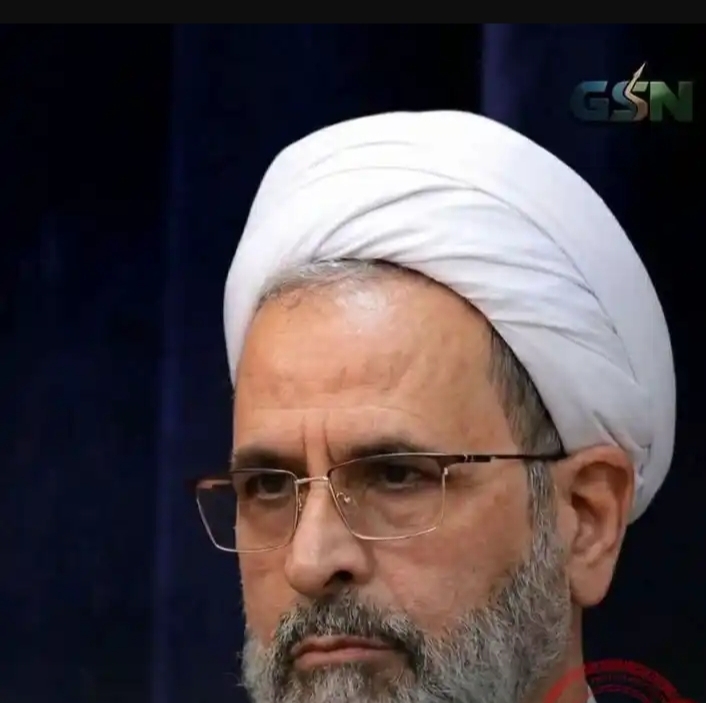
Iran’s interim leader, Alireza Arafi, has declared that negotiations with the United States are over, signaling a dramatic escalation in rhetoric and strategy as hostilities intensify following the death of Supreme Leader Ali Khamenei.
In remarks widely circulated by Iranian state-affiliated outlets, Arafi warned Washington and Tel Aviv of severe consequences, insisting that the Islamic Republic would respond decisively to what he described as aggression and red-line violations.
“The time for negotiations is over. The United States has chosen to cross the red line,” Arafi said, adding that Iran’s response would be “unpredictable and devastating.” While state media have not released a full official transcript of the widely shared quotes, recent televised addresses attributed to him have emphasized resistance, continuity of Iran’s revolutionary doctrine, and retaliation for Khamenei’s death.
Arafi was appointed to a three-member interim leadership council under Article 111 of Iran’s Constitution following Khamenei’s death during the ongoing military escalation. The council is tasked with overseeing governance until the Assembly of Experts selects a permanent Supreme Leader.
The interim body comprises Arafi, President Masoud Pezeshkian, and Judiciary Chief Gholamhossein Mohseni-Ejei. Analysts say the arrangement is designed to preserve institutional stability during one of the most sensitive transitions in the Islamic Republic’s history.
Arafi, 67, is regarded as a powerful figure within Iran’s clerical establishment. He has previously led the country’s seminary system, served on the Guardian Council, and currently acts as deputy chairman of the Assembly of Experts — positioning him as a potential contender for the role of permanent Supreme Leader, depending on internal deliberations.
Meanwhile, military tensions continue to mount across the region. Iran has launched retaliatory missile and drone operations targeting U.S. military installations in the Gulf and Israeli strategic sites. In response, American and Israeli forces have sustained air campaigns against Iranian-linked military infrastructure, raising fears of a broader regional confrontation.
Global markets have reacted sharply, with oil prices surging amid concerns over potential disruptions to shipping routes in the Persian Gulf. Energy analysts warn that any direct threat to the Strait of Hormuz — a critical chokepoint for global oil supplies — could significantly impact international markets.
READ ALSO: DSS Arrests Security Operatives Over Alleged Bribery in El-Rufai Airport Incident
Migration Studies: Tool for Stronger Diaspora Engagement, Governance Reform – CEO NiDCOM Emphasize
Political observers note that Arafi’s uncompromising rhetoric appears aimed at reinforcing domestic unity during a volatile succession process while signaling to foreign adversaries that Iran’s strategic posture will remain firm despite the leadership transition.
As diplomatic channels narrow and military exchanges persist, the unfolding crisis marks one of the most consequential moments for Iran’s political future and regional stability in decades.
About The Author