
By Fatima Saka
Experts have raised the alarm over the vulnerability of very young children to sexual violence in Nigeria, revealing that 80 per cent of sexually violated children recorded in a study were below the age of three.
The disturbing revelation was made on Wednesday during the National Dialogue on Transforming Gender Norms for Adolescent Health and Wellbeing at the Gender and Inclusion Summit 2026, where experts called for stronger preventive measures to protect children and adolescents from sexual violence.
An expert at the panel session said a study conducted about 15 years ago in one state found that 45 per cent of cases seen at a gynaecological emergency unit involving sexual violence were children below the age of nine.
She said further disaggregation of the data showed that 80 per cent of the affected children were below three years, stressing that the finding demonstrated the extreme vulnerability of young girls to sexual violence.
The expert also disclosed that trained doctors and midwives in 21 states were being equipped to conduct forensic medical examinations and manage survivors of rape, which she described as a major component of sexual violence.
According to her, in some states, adolescents constitute between 60 and 80 per cent of sexual violence victims, a situation she described as deeply disturbing.
She said the trend made it appear as though there was “a war against young people,” stressing the need for concerted action to prevent sexual violence and protect vulnerable children.
The expert recalled that concerns over violence against women and children had contributed to advocacy for the passage of the Violence Against Persons (Prohibition) Act, which provides legal protection against various forms of violence.
The panel also stressed that prevention must begin before harmful gender norms and attitudes become entrenched among young people.
A panelist noted that adolescents between the ages of 10 and 14 were at a critical stage of development, when they were beginning to understand their identity, agency and the expectations of the systems around them.
She said girls did not make decisions in isolation, as parents, peers, teachers, communities and social systems significantly influenced their choices.
Speaking from a behavioural science perspective, Boladale Akin-Kolapo said the focus should not merely be on changing a girl’s behaviour but on changing the environment around her.
She said decisions relating to whether a girl remains in school, gets vaccinated, accesses sexual and reproductive health information or gets married are shaped by social expectations and the systems surrounding her.
“A girl does not make decisions in a vacuum,” she said, arguing that interventions must strengthen girls’ agency while addressing the factors that constrain their choices.
The panel also drew attention to the mental health consequences of sexual and gender-based violence among adolescents.
Dr Helen Ijeong of Plan International questioned whether the preliminary findings adequately captured the mental health impact of violence on adolescents, noting that psychological wellbeing was often overlooked despite its implications for their future.
Responding, a panelist acknowledged the importance of mental health support for adolescents who experience trauma from domestic violence, displacement and other harmful experiences.
She stressed the need for specialised interventions involving psychologists, psychiatrists and other mental health professionals.
The panel further emphasised the importance of using evidence to influence government policies, programmes and budgets, while ensuring that national findings were validated and contextualised at state and community levels.
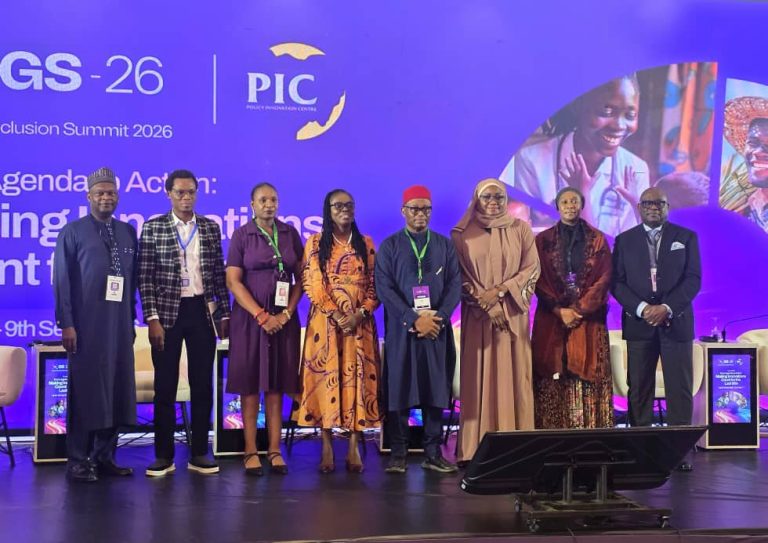
The session was chaired by Dr John Ovuraye, Director, Health Planning, Research and Statistics, Federal Ministry of Health and Social Welfare, and featured Dr Aishatu Abubakar Sadiq, Permanent Secretary, Kaduna State Ministry of Health; Boladale Akin-Kolapo, Country Director, Girl Effect Nigeria; Mrs Fifi Oluwatoyin Ogbondeminu, Global Project Director, A360; and Takudzwa Kanyangarara, Gender and Development Manager, UNICEF Nigeria.
Prof. Michael Kunnuji, Director, PIC Institute, moderated the session.
READ ALSO: No Mother or Child Should Die From Preventable Causes in Nigeria – Gates Foundation Declares
The experts called for stronger collaboration among government, health professionals, civil society organisations, development partners, families and communities to address harmful gender norms and strengthen protection mechanisms for children and adolescents.
They stressed that research evidence must translate into concrete interventions, sustained funding and policies capable of preventing sexual violence and safeguarding the health, dignity and future of young Nigerians.
About The Author