By Fatima Saka
The Federal Government has raised concerns over Nigeria’s poor sanitation coverage, disclosing that access to improved sanitation remains below 36 per cent, while calling for stronger investment in toilet facilities to tackle open defecation and protect the health and dignity of women and girls.
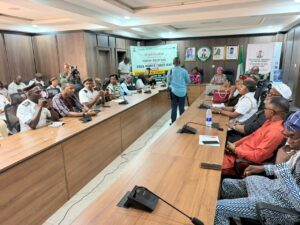
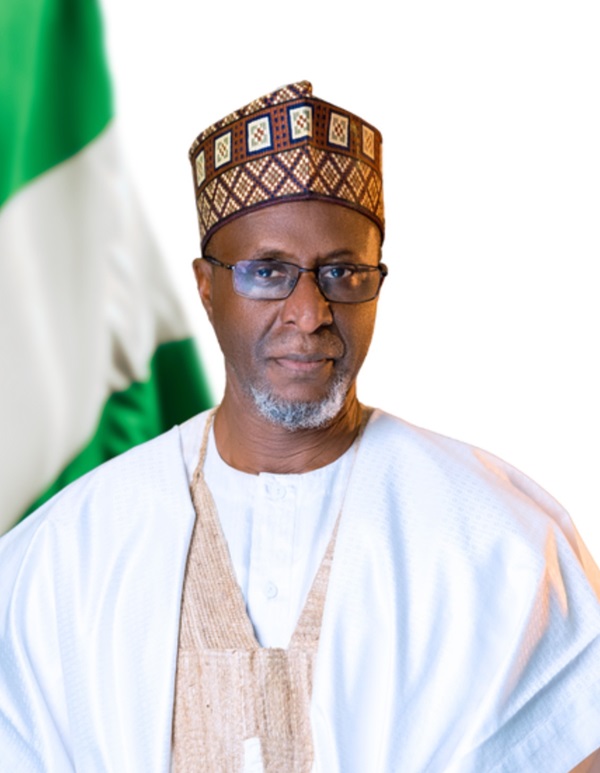
The Minister of Environment, Mallam Balarabe Abbas Lawal, disclosed this recently at a ministerial press briefing to commemorate the 2026 World Toilet Day, held in Abuja.
Lawal, who was represented by the Director of Pollution Control and Environmental Health, Mrs Omotunde Adeola, said inadequate sanitation facilities in public places, including markets, motor parks, schools and communities, remained a major public health and environmental challenge.
He explained that poor sanitation contributes to open defecation, contamination of food and water sources and the spread of sanitation-related diseases such as cholera and typhoid.
According to him, the consequences are particularly severe for women, girls, children, older persons and persons living with disabilities, who often face safety, privacy and dignity challenges due to the absence of appropriate toilet facilities.
The Minister stressed that sanitation goes beyond the provision of household conveniences, describing it as an essential public health intervention, an environmental safeguard and a fundamental requirement for human dignity.
He said the 2026 World Toilet Day theme, *“Sanitation and Gender Equality,”* with the tagline, *“Safe Toilets. Equal Futures,”* highlights the importance of safe and secure toilets, access to soap and water, and adequate menstrual hygiene facilities in protecting women and girls.
Lawal also noted that safe sanitation facilities were essential to ensuring that women and girls participate fully in education, employment and public life.
Citing global sanitation challenges, he said approximately 4.5 billion people worldwide still lack safely managed sanitation, while 892 million continue to practise open defecation.
He said the situation underscores the urgency of accelerating efforts towards achieving the Sustainable Development Goals, particularly SDGs 6, 5, 3 and 11, covering clean water and sanitation, gender equality, good health and well-being, and sustainable cities and communities.
On the Federal Government’s interventions, the Minister said the Ministry, in collaboration with relevant ministries, state governments and development partners, was implementing programmes to promote safe excreta disposal and improve sanitation nationwide.
He listed the interventions to include capacity building and training of Environmental Health Officers on faecal sludge management and toilet design, integration of sanitation into climate adaptation and circular economy initiatives, and the Clean and Green Programme.
Others are the Community-Based Waste Management and Open Defecation Control Programme, as well as partnerships with private sector actors to provide environmentally friendly sanitation facilities through public-private arrangements.
On activities lined up for the commemoration, Lawal said the Ministry would host a community engagement and sensitisation campaign at Kpadna Community, Utako, Abuja, on November 19, 2026.
He explained that the campaign would engage residents, traders, food vendors and other community members on proper sanitation, hand hygiene and safe waste disposal through interactive discussions, health talks and practical demonstrations by Environmental Health Officers.
The Minister also announced that a National Dialogue on Faecal Sludge Management would hold on November 23, 2026, involving seven selected states representing the six geopolitical zones and the Federal Capital Territory.
According to him, the dialogue would enable participating states to assess and share their experiences, challenges and interventions in faecal sludge management, while generating assessment data and actionable recommendations for planning, implementation and monitoring.
He added that World Toilet Day would be commemorated simultaneously across all states of the federation through community sensitisation, advocacy campaigns and sanitary inspections of public places.
The Minister called on state and local governments to strengthen faecal sludge and wastewater management through environmentally sound systems for collection, transportation, treatment, safe disposal and reuse.
He also urged households and communities to embrace proper toilet use, personal hygiene, handwashing and environmental cleanliness, while encouraging the private sector to invest in affordable sanitation technologies and climate-resilient infrastructure.
Lawal further appealed to development partners, non-governmental organisations and civil society organisations to sustain their support for advocacy, public education and sanitation infrastructure, particularly in underserved and vulnerable communities.
He emphasised that women and girls must not merely be beneficiaries of sanitation interventions but active participants in designing, implementing and monitoring sanitation solutions, stressing that their experiences, perspectives and leadership must inform decisions shaping the country’s sanitation future.
Earlier, the Permanent Secretary of the Ministry, represented by the Deputy Director and Head of Pollution Control and Environmental Health, Mrs Rita Okea, said the annual commemoration provided an opportunity to renew national commitment to improving sanitation services and accelerating progress towards ending open defecation.
She recalled that the United Nations General Assembly designated November 19 as World Toilet Day in 2013 to raise awareness of the global sanitation crisis and promote action towards achieving Sustainable Development Goal 6.
Okea said the absence of safe, accessible and private toilet facilities disproportionately affects women and girls, particularly in schools, workplaces, public spaces and underserved communities.
She called for stronger collaboration among all tiers of government, development partners, the private sector, civil society organisations and communities to address sanitation gaps.
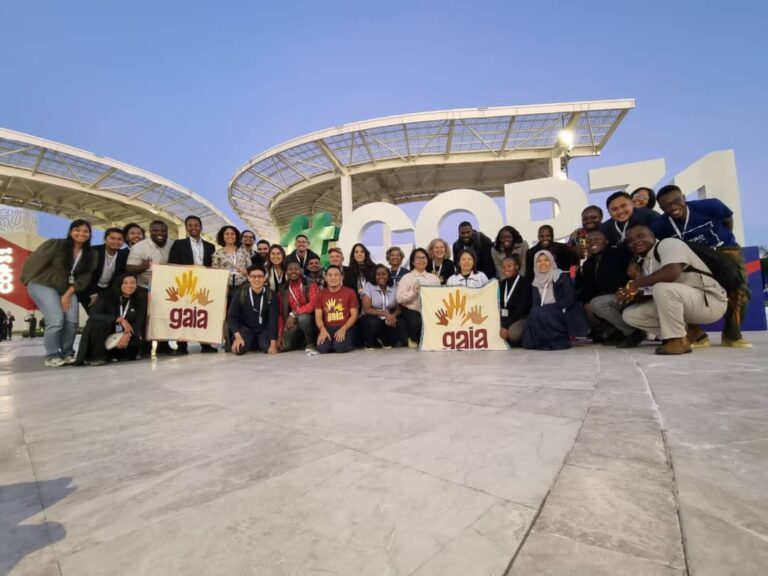
COP31: Experts Warn Against Incineration, Demand Shift to Zero-Waste Climate Solutions
The Permanent Secretary also acknowledged the contributions of development partners, stakeholders and the media in promoting environmental sanitation and public awareness.
She urged journalists to amplify the message that safe and inclusive sanitation remains fundamental to gender equality, public health and sustainable development.
About The Author