ABUJA — The Minister of Solid Minerals Development, Dele Alake, has declared that the removal of fuel subsidy by President Bola Ahmed Tinubu in 2023 saved Nigeria from a total economic collapse.
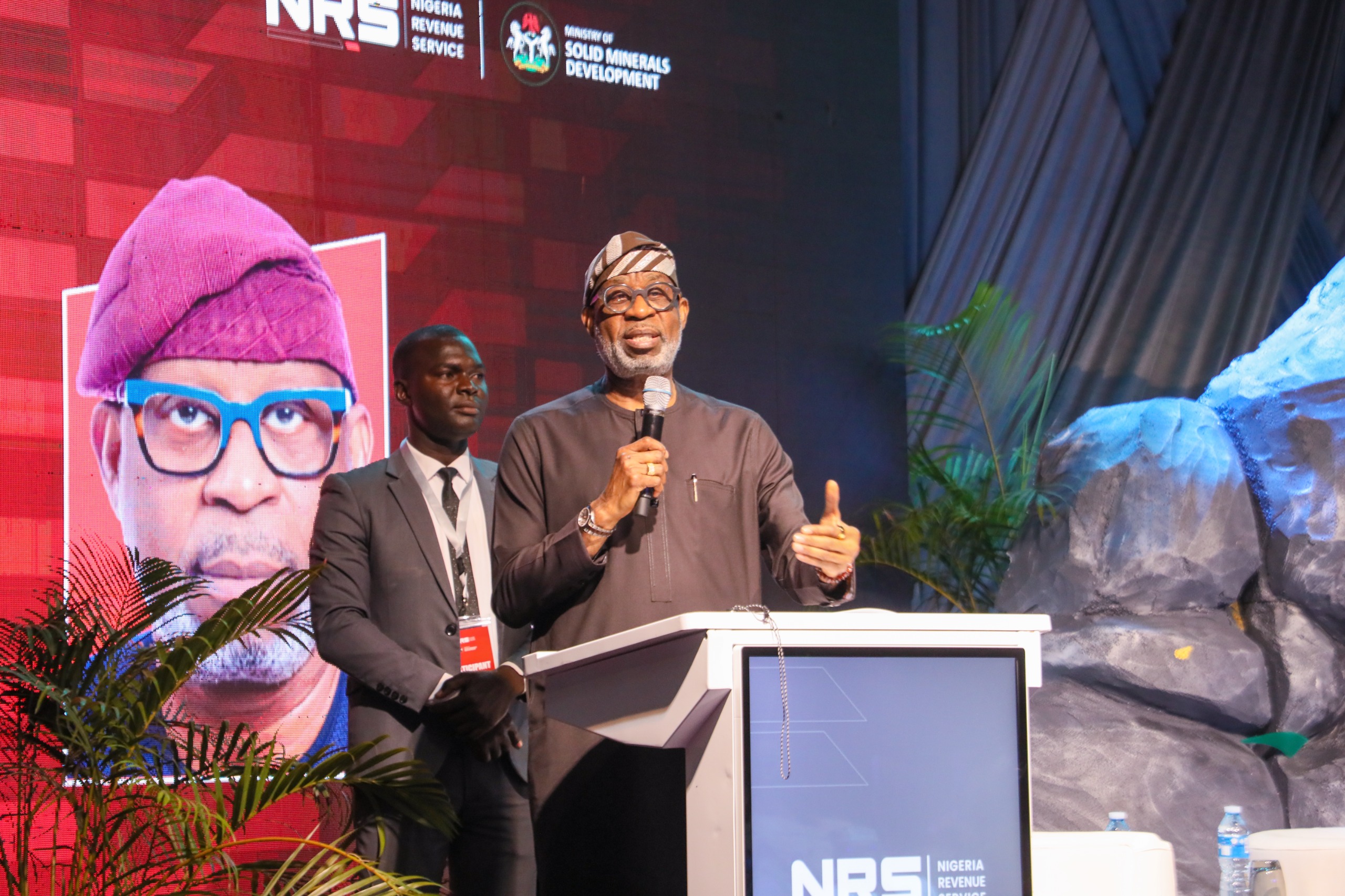
Speaking at the 2026 NRS-MSMD Joint Stakeholder Sensitization programme for the North Central zone in Abuja, Alake said the decisive policy move halted what he described as years of fiscal mismanagement and unsustainable economic practices.
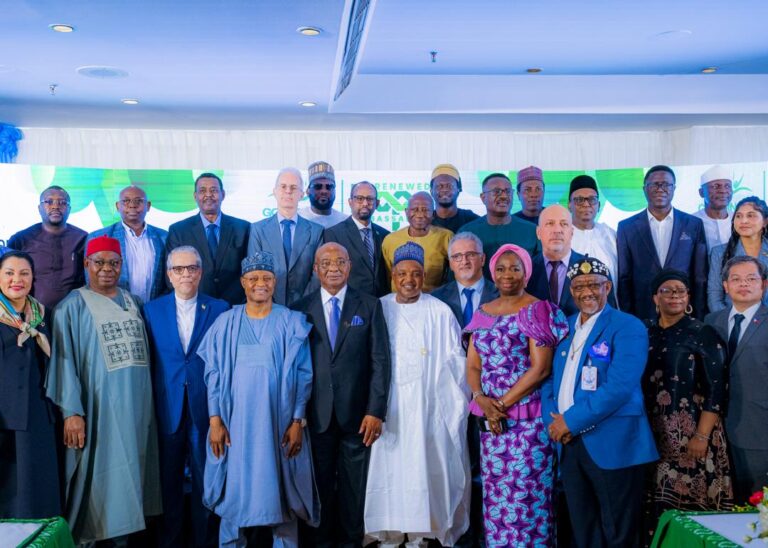
The event, themed “From Resource to Revenue: Aligning Solid Minerals Operations with the 2025 Tax Reform Act,” brought together key stakeholders in the mining sector to discuss revenue optimization and regulatory compliance.
Alake attributed Nigeria’s economic decline to a long-standing shift from production to import dependency dating back to the 1980s. According to him, the country’s overreliance on imported goods—many of which could be produced locally—led to the closure of industries, massive job losses, and the weakening of the naira.
Recalling the strength of the Nigerian currency in the early 1980s, the minister noted that the naira once exchanged at 52 kobo to one US dollar at the official rate, and 80 kobo at the parallel market.
“We were importing everything, including items we had the capacity to produce locally. That weakened our economy and our currency,” he said.
He further criticized past administrations for failing to take bold corrective measures, alleging that Nigeria spent as much as $600 million importing non-essential items such as wigs, while resorting to borrowing to pay salaries.
Alake warned that by the time the Tinubu administration assumed office, the country was already in a precarious financial position, marked by declining credit ratings and heavy debt burdens.
“If the fuel subsidy had not been removed when it was, Nigeria’s economy would have crashed completely by September 2023,” he stated.
He added that the government had to take drastic steps, including ending subsidy payments, to stop fiscal leakages and reset the economy on a path of sustainability.
The minister likened the reforms to “stopping a nation from digging itself deeper into a hole,” stressing the need to build resilient economic structures.
Also speaking at the event, the Permanent Secretary of the Ministry of Solid Minerals Development, Engr. Faruk Yusuf Yabo, emphasized the importance of repositioning the mining sector to drive economic diversification and job creation.
Yabo called for stronger collaboration with the Nigeria Revenue Service and strict compliance with the 2025 Tax Reform Act to enhance revenue generation and eliminate leakages in the sector.
READ ALSO: NOHIL @80: Orthopaedic Hospital Takes Free Healthcare to Community, Tackles Misconceptions
2026 Press Week: NUJ President Demands Urgent Reforms in Journalists’ Welfare, Safety
He urged industry players to embrace transparency and fully implement the new royalty framework to ensure Nigeria derives maximum value from its mineral resources.
The sensitization programme forms part of ongoing efforts by the federal government to align solid minerals operations with broader economic reforms aimed at stabilizing and growing the national economy.
About The Author