Governor Hope Uzodimma of Imo State has declared that Nigeria is undergoing a major economic turnaround driven by bold reforms introduced by President Bola Ahmed Tinubu, particularly the removal of fuel subsidy and the unification of the foreign exchange market.
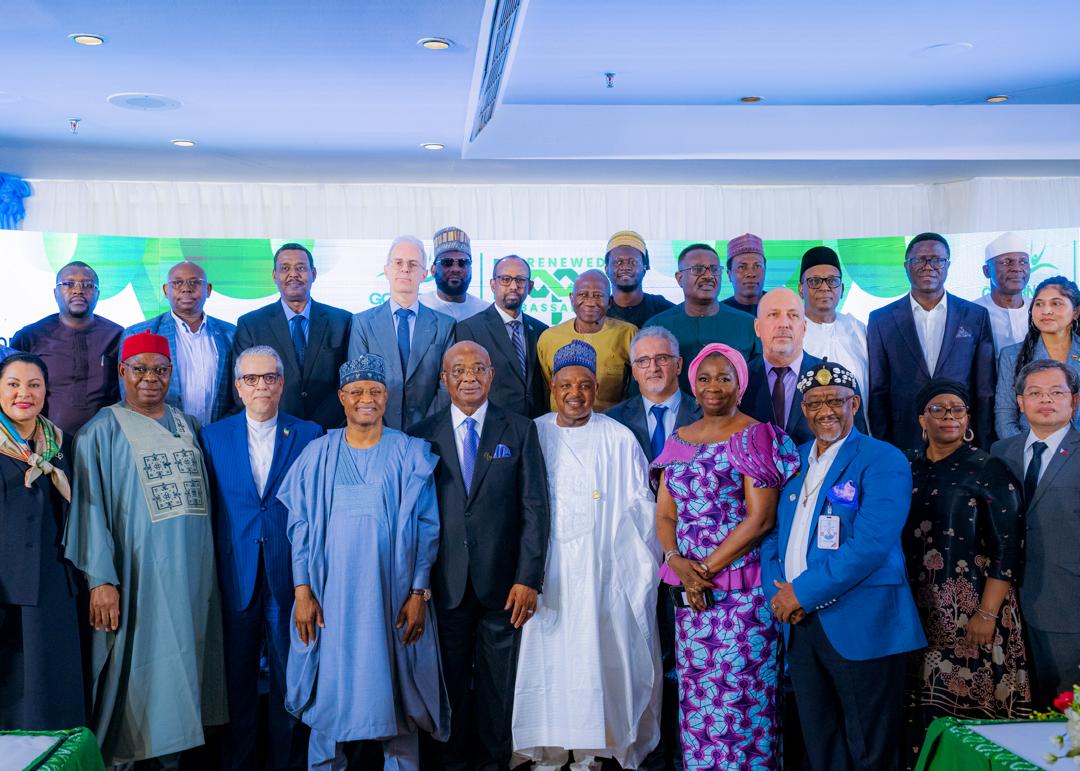
Uzodimma, who also serves as Chairman of the Progressive Governors’ Forum, made the assertion on Sunday while addressing members of the diplomatic corps accredited to Nigeria in Abuja.
He said the administration’s policy direction reflects a deliberate shift from “decades of economic distortion” to a path of fiscal stability, transparency, and sustainable growth.
According to him, the removal of petroleum subsidy dismantled what he described as “the single largest organised corruption pipeline” in Nigeria’s public finance system, freeing trillions of naira for development.
“The decision eliminated a structure that had enabled widespread financial leakages and redirected resources into critical sectors,” he said.
The governor noted that the impact of the reforms is already visible in increased revenue allocation to all tiers of government, with monthly disbursements rising significantly, thereby improving fiscal stability at the subnational level.
He said state governments now receive between ₦700 billion and ₦800 billion monthly, ending the era of salary bailouts and excessive borrowing to meet recurrent obligations.
Uzodimma also highlighted ongoing large-scale infrastructure projects as evidence of the administration’s renewed investment drive. These include the Lagos-Calabar Coastal Highway and the Sokoto-Badagry Superhighway, alongside over 440 road projects nationwide.
He explained that the projects are already stimulating economic activities, reducing travel time, and boosting property values in key corridors.
On monetary reforms, the governor said the unification of the foreign exchange market has improved transparency and investor confidence by eliminating multiple exchange rates and arbitrage opportunities.
He noted that Nigeria’s foreign reserves have risen significantly, while the gap between official and parallel market rates has narrowed to less than two per cent.
“These reforms have restored predictability to Nigeria’s economic environment, making it easier for investors and development partners to plan and operate,” he added.
Uzodimma further stated that despite global economic pressures, including rising inflation linked to geopolitical tensions, Nigeria has shown resilience, with declining inflation trends and steady GDP growth.
He cited improvements in key sectors such as agriculture, industry, and services, as well as increased crude oil production.
The governor also pointed to social sector investments, including the student loan scheme, tax reforms, and expanded infrastructure spending, as part of efforts to translate macroeconomic gains into tangible benefits for citizens.
READ ALSO: Dabiri-Erewa Urges Diaspora Athletes to Invest in Grassroots Sports Development
₦9bn Airline Debt: Stakeholders Call for Government Incentives to Sustain Aviation Ground Handlers
He urged members of the diplomatic community to deepen engagement with Nigeria, stressing that the country is now better positioned to attract serious capital and deliver returns on investment.
“The trajectory is clear—Nigeria is moving from foundational repair to visible recovery, and we invite our international partners to be part of this next phase,” he said.
About The Author