
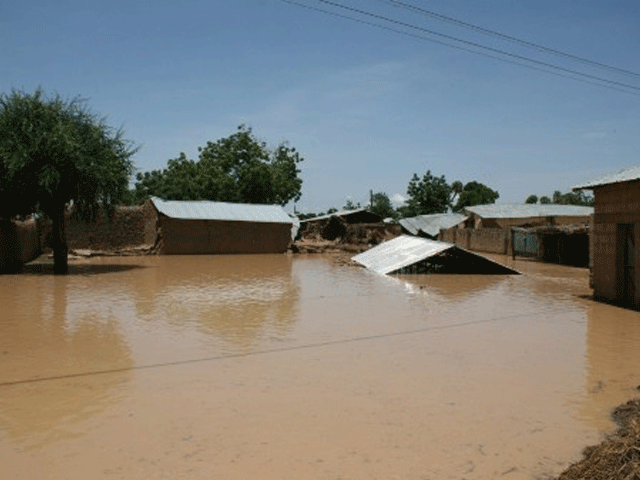
At least 2,471 communities in Cross River State, alongside hundreds of schools, health facilities, markets and religious centres, have been identified as exposed to high flood risk as the Nigeria Hydrological Services Agency (NiHSA) warned of possible riverine flooding across 15 states.
NiHSA issued the warning on Saturday, saying rising river levels could increase the risk of flooding between September 19 and 25, 2026, with nine river stations identified for close monitoring.
The agency’s assessment showed that, in Cross River alone, 703 schools, 344 health facilities, 145 markets, 453 religious centres and 854 hectares of farmland are located within the identified exposure areas.
The Director-General and Chief Executive Officer of NiHSA, Umar Ibrahim Mohammed, identified Obubra, Itigidi and Epento along the Cross River among the locations requiring particular attention as river levels rise.
Other states listed in the assessment include Imo, Ebonyi, Benue, Anambra and Akwa Ibom, alongside nine additional states covered in the agency’s detailed state reports.
Mohammed urged state governments, local councils, emergency management authorities, traditional institutions and community leaders to activate early-warning and response mechanisms and prepare for possible evacuation where necessary.
He advised residents in vulnerable communities to move people, livestock and valuables to higher ground, monitor official river-level updates and avoid crossing flooded roads, bridges and fast-moving water.
The NiHSA chief also called for the pre-positioning of relief materials, safe drinking water, water-treatment supplies and first-aid materials, as well as the identification of safe temporary shelters.
READ ALSO: Hajj 2027: Group Seeks Shettima’s Intervention for More Slots for Nigerians
Cape Town Convention boosts confidence in Nigeria’s private aviation — Operator
He urged authorities and residents to clear blocked drainage channels and river outlets where it is safe to do so, while discouraging construction and habitation in flood-prone areas.
The agency said it would continue monitoring hydrological conditions across the affected locations and issue further advisories, stressing that early action could help reduce the impact of flooding on lives, property and livelihoods.
About The Author