
By Fatima Saka
The Federal Government has allocated funds for the establishment of a state-of-the-art training centre for 3D-printed prosthetics technology at the Medical Rehabilitation Therapists Board (MRTB), Abuja, as part of efforts to strengthen rehabilitation services and improve access to assistive devices in Nigeria.
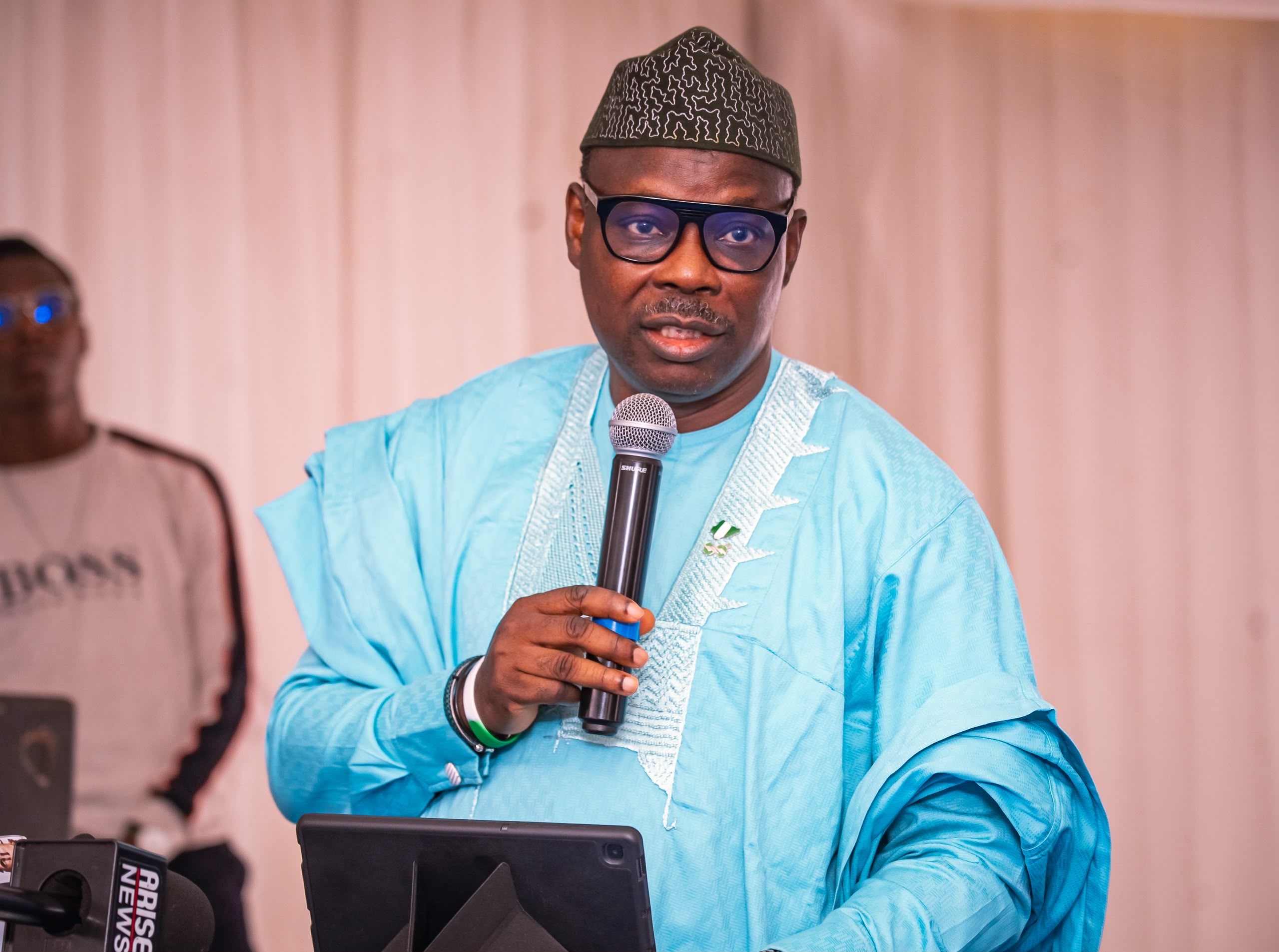
The Minister of State for Health and Social Welfare, Dr Iziaq Adekunle Salako, disclosed this on Thursday during the 3D-Printed Prosthetics Technology Showcase at the MRTB National Secretariat, Daki-Biyu, Jabi, Abuja.
Salako said the proposed centre would accommodate training in the new technology, sustain the gains of an ongoing international partnership and strengthen local expertise in the production of prosthetic devices.
He said the initiative formed part of the United Nations Industrial Development Organization (UNIDO) project, Transferring Japanese 3D-Printed Prosthetics Technology to Support Landmine Victims in Africa, introduced in 2024 under Project 240280 with funding from the Government of Japan.
According to the minister, the project is designed to modernise prosthetics and orthotics services, improve rehabilitation outcomes and strengthen technical capacity within Nigeria’s healthcare system.
He explained that the technology combines artificial intelligence, digital scanning, computer-aided design and 3D printing to support faster and more efficient production of prosthetic devices.
Salako said the innovation could help reduce production costs, shorten waiting periods and improve access to devices for people who require prosthetic care.
He, however, stressed that the technology must complement existing prosthetic solutions rather than replace them, noting that effective rehabilitation requires professional assessment, appropriate fitting, patient education, regular follow-up and maintenance.
The minister said access to affordable and properly fitted prosthetic devices remained essential to improving mobility, independence and participation in education, employment, family life and community activities.
He added that the initiative would also support local production and reduce Nigeria’s dependence on imported assistive devices.
Salako called on the MRTB to encourage Nigerian entrepreneurs, engineers, technicians, health professionals, educators and manufacturers to participate in the rehabilitation technology sector.
He said such collaboration could create skilled employment opportunities, promote private-sector investment and strengthen partnerships among healthcare institutions, universities, technical colleges and technology companies.
The minister urged institutions participating in the project to develop clear plans for equipment management, staff training, maintenance, the supply of consumables and quality assurance to ensure the technology remained functional beyond the period of project support.
He also emphasised the need for continuous training, technical exchanges and knowledge-sharing to enable Nigerian professionals to operate and maintain the equipment effectively.
Salako commended the Government of Japan for funding the initiative, while acknowledging UNIDO for coordinating the project and Instalimb Japan for providing technical expertise and equipment.
He further called on the MRTB, as the statutory regulatory body for rehabilitation practice in Nigeria, to ensure that the technology met professional standards and was properly integrated into clinical practice.
The minister said the Federal Government had also developed a National Policy and Strategic Plan for Rehabilitation and Assistive Technology to provide a framework for coordinated action and improved access to assistive devices.
He urged relevant stakeholders to translate the policy into practical action through effective partnerships, trained personnel, appropriate infrastructure and sustainable financing.
Salako also called for the involvement of persons with disabilities and their representative organisations in designing and improving rehabilitation services, stressing that their experiences and needs should guide the introduction and evaluation of new technologies.
READ ALSO: Nigerian Senate Engages Stakeholders on Bills to Reform Health Regulators, Expand Digital Healthcare
FG, Niger Basin Authority Seek Faster Delivery of Water Projects
He said the success of the initiative would depend not only on the availability of equipment but also on the ability of institutions to sustain its use and ensure that the benefits reached Nigerians who needed rehabilitation services.
The minister subsequently declared open the 3D-Printed Prosthetics Technology Showcase.
About The Author


1 thought on “FG Allocates Funds for 3D Prosthetics Training Centre in Abuja”