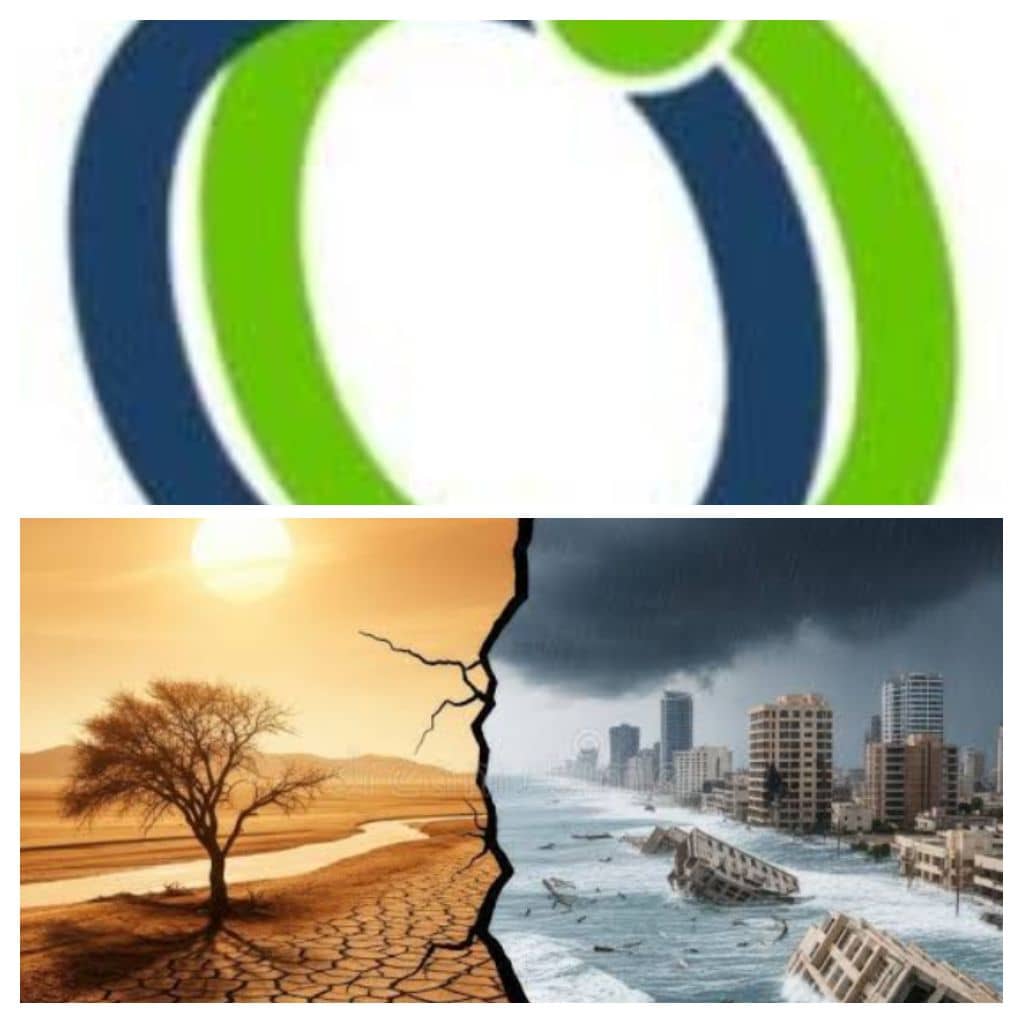
Climate experts, policymakers and environmental advocates are set to examine Nigeria’s escalating flood risks and strategies for strengthening climate resilience at the August edition of Orodata Science’s Monthly X Spaces.
The virtual forum, themed “Beneath the Surface: Rising Waters, Flooding, Climate Change & The Way Forward,” will be held on Tuesday, August 11, 2026, at 6:00 p.m. (WAT) on X (formerly Twitter), amid growing concerns over the increasing frequency and intensity of flooding across Nigeria and sub-Saharan Africa.
Orodata Science said the discussion comes at a critical time when climate change, rapid urbanisation, loss of wetlands and poor drainage infrastructure are compounding the impact of extreme rainfall, particularly in major cities like Lagos.
According to Nigeria’s 2026 Annual Flood Outlook, 33 states and the Federal Capital Territory face high flood risks, with coastal states such as Lagos identified among the most vulnerable due to rising sea levels, tidal surges and heavy rainfall.
Recent downpours have already inundated several communities in Lagos, disrupting transportation, damaging homes and businesses, and exposing the fragile state of urban infrastructure in Africa’s largest coastal city.
Environmental experts attribute the persistent flooding to a mix of climate change effects, blocked drainage systems, uncontrolled urban expansion and the degradation of natural wetlands that once served as buffers against stormwater.
The situation is not limited to Nigeria. In June 2026, severe flooding affected multiple West African countries, including Ghana, Togo and Côte d’Ivoire. Scientists from the World Weather Attribution initiative found that human-induced climate change made the extreme rainfall event about five times more likely and increased its intensity by approximately 23 per cent.
Further compounding the challenge, the African Development Bank has warned that an emerging “super” El Niño could cost African economies between $10 billion and $20 billion, potentially reducing GDP in the hardest-hit countries by up to two per cent due to damage to infrastructure, agriculture and livelihoods.
Experts also highlight the growing human toll of flooding, linking it to displacement, food insecurity, livelihood losses and mental health challenges, particularly among vulnerable coastal communities.
The Orodata X Spaces will feature Dr. Archibong Akpan, a climate policy expert with the United Nations Framework Convention on Climate Change (UNFCCC) and lecturer at the University of Uyo, alongside Ogunlade Olamide Martins, Associate Director at Corporate Accountability and Public Participation Africa (CAPPA). The session will be moderated by Benedicta Elikor of Orodata Science.
Participants are expected to explore the science behind rising flood risks, the role of climate change in extreme weather events, and practical adaptation and resilience strategies for urban centres, while also discussing policy actions needed to safeguard vulnerable populations.
READ ALSO: EDEN Urges Universities to Lead Climate Action Beyond Classrooms
Reps Open Week Strengthens Transparency, Citizen Engagement — National Assembly Clerk
Orodata Science noted that its Monthly X Spaces serves as a platform for evidence-based dialogue that connects science, policy and civic engagement on critical environmental and development issues.
Researchers, policymakers, journalists, civil society organisations, students and members of the public have been encouraged to join the conversation and contribute to efforts aimed at building climate-resilient communities across Nigeria and sub-Saharan Africa.
About The Author