By Fatima Saka
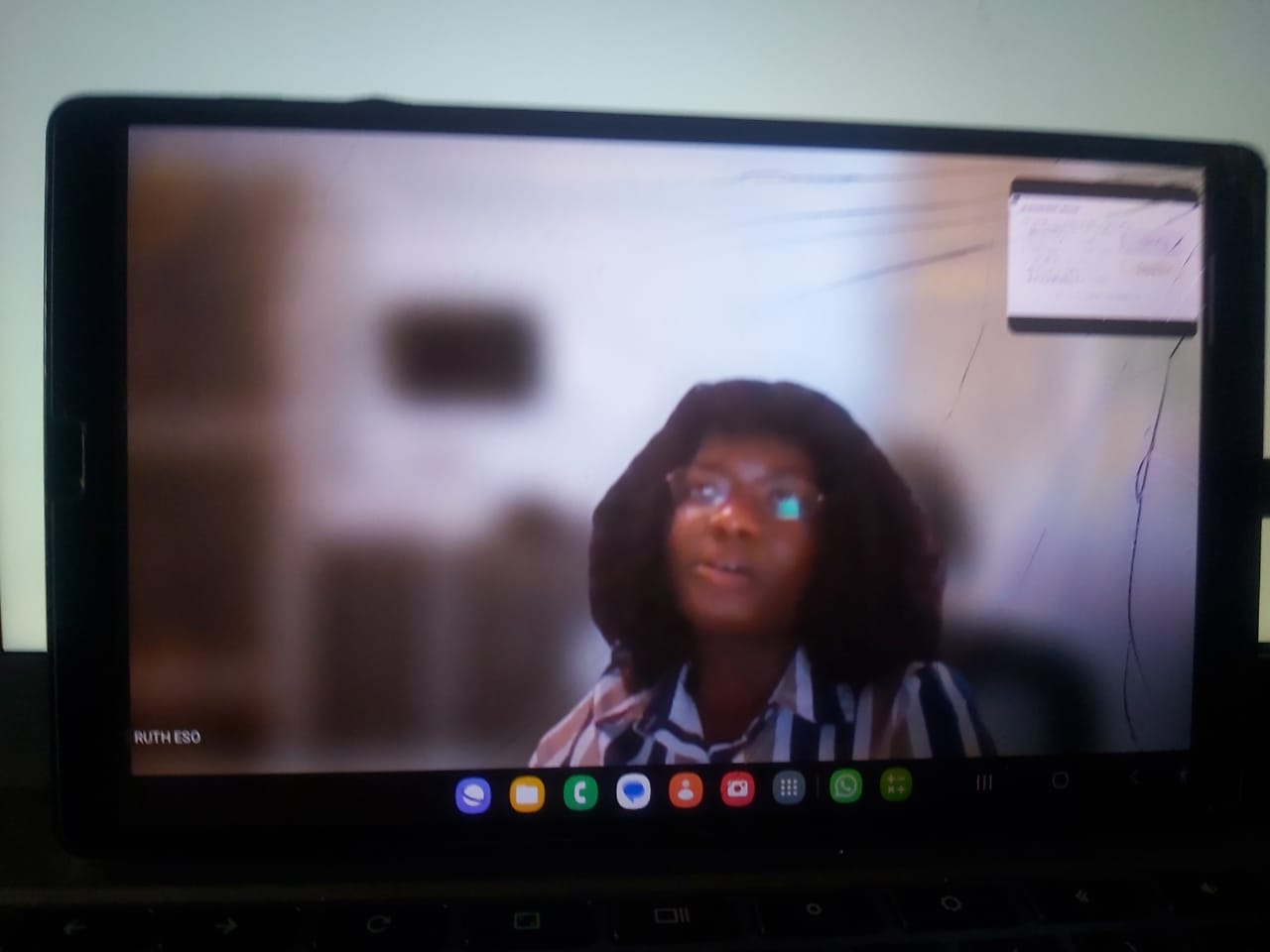
A United Kingdom-based business data analyst, Ruth Eso, has warned that relying solely on savings is no longer sufficient to secure financial stability, urging Nigerians to embrace strategic investments to build sustainable wealth.
Eso gave the advice during a free financial literacy webinar organised by the Female Freelancers Network (FFN), where she stressed that inflation continues to erode the value of idle cash, making investment a critical tool for long-term financial growth.
Speaking at the virtual session titled “Investment: Beyond Thrift, Money is Wealth Generation,” Eso said individuals must shift from traditional saving habits to intentional wealth-building strategies.
“Too many people stop at using money just to buy things or leaving it to sit in a savings account,” she said. “The wealthy understand that money must be put to work. Investment is what allows your money to grow instead of sleeping.”
The webinar, which attracted participants from Nigeria and the United Kingdom, was moderated by FFN founder, Elizabeth Osayande, who guided discussions and audience engagement.
Eso explained that while saving remains important for emergencies and financial security, it rarely generates wealth due to the declining purchasing power caused by inflation. She noted that income is typically divided into consumption, savings, and investment, emphasising that only investment builds future wealth.
Using a practical illustration, she compared two earners with identical monthly salaries of ₦300,000. While one spends impulsively and saves inconsistently, the other adopts a disciplined approach by allocating portions of income to emergency funds, treasury bills, investments, and personal development.
According to her, achieving financial freedom requires moving beyond a single income stream and building diversified sources of income. She outlined five key asset classes for a balanced investment portfolio: financial instruments such as stocks and bonds, business ventures, real estate, self-development, and alternative assets like gold.
She also cautioned against fraudulent schemes and emotionally driven decisions, advising participants to verify investment opportunities through credible institutions such as the Central Bank of Nigeria (CBN) and the Securities and Exchange Commission (SEC).
“Investing is not gambling; it is about making informed choices based on facts,” Eso said, urging participants to always assess risks, expected returns, and regulatory compliance before committing funds.
The session concluded with practical financial principles, including the importance of “paying yourself first,” maintaining consistency in investments, and understanding any asset before investing.
Participants described the webinar as impactful and insightful. An award-winning journalist, Kofoworola Belo-Osagie, highlighted key lessons such as prioritising personal savings and leveraging the power of compounding.
A UK-based participant, Marvine, described the session as “reflective,” while a University of Lagos student, Chioma Eze, rated it highly for simplifying complex investment concepts.
In his remarks, FFN volunteer Leonard Okafor noted that increasing interest rates and investment opportunities in Nigeria make early investing more valuable, while encouraging the use of credible platforms and regulated channels.
READ ALSO: FG Moves to End Catastrophic Health Costs in Nigeria
FG, NESG Move to Deepen Economic Diplomacy, Attract Investment
The Female Freelancers Network said the webinar is part of its ongoing efforts to equip freelancers and professionals with practical knowledge to improve financial independence and career growth.
FFN, a platform dedicated to empowering freelancers, especially women, through mentorship, training, and networking, has trained over 500 participants since its inception in 2023 through its monthly media exposés and capacity-building sessions.
About The Author