The Federal Government has called for urgent and sustainable financing mechanisms for intensive and critical care services in Nigeria, warning that rising out-of-pocket costs are pushing many families into financial hardship during medical emergencies.
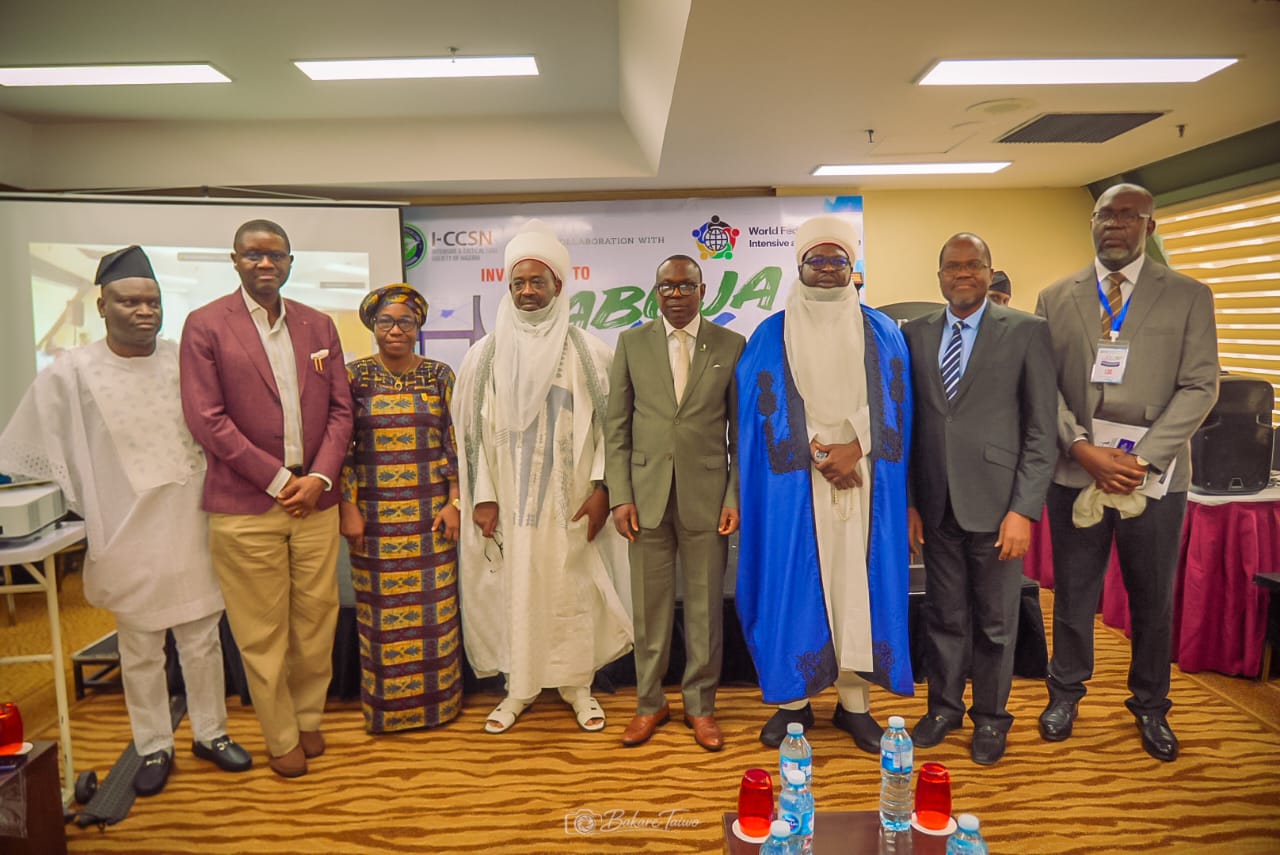
The Minister of State for Health and Social Welfare, Dr. Iziaq Adekunle Salako, made the call on Wednesday in Abuja at the opening ceremony of the 11th Annual Scientific Conference and Annual General Meeting of the Intensive and Critical Care Society of Nigeria (I-CCSN).
Speaking on the theme, “Sustainable Financing for Intensive Care in Public Hospitals in Nigeria,” Salako stressed that no Nigerian should be forced to choose between life-saving treatment and financial ruin.
“Excessive dependence on out-of-pocket expenditure delays access to care, interrupts treatment and exposes households to severe financial hardship. No Nigerian family should face financial ruin to access critical care,” he said.
The minister described intensive care as a vital but resource-intensive component of the healthcare system, requiring specialized infrastructure, skilled personnel, medical oxygen systems, ventilators, and uninterrupted utilities.
He noted that critical illnesses—from trauma and infections to maternal complications and non-communicable diseases—can strike suddenly, making access to quality intensive care services a matter of life and death.
Salako reaffirmed the Federal Government’s commitment to strengthening emergency and critical care systems as part of broader goals to improve population health, advance Universal Health Coverage, and enhance national health security.
Highlighting ongoing reforms, he said the National Emergency Medical Service and Ambulance System (NEMSAS) has expanded from a pilot phase in the Federal Capital Territory to 34 states, with plans for nationwide coverage. He added that a digital emergency dispatch system is being developed to improve real-time response, patient tracking, referrals, and claims management.
The minister also emphasized the need for coordinated investment across the healthcare value chain, including ambulance services, intensive care units, operating theatres, diagnostic systems, workforce development, and rehabilitation services.
He called for stronger collaboration among federal and state governments, healthcare institutions, private sector players, development partners, and civil society to address funding gaps and improve service delivery.
Salako further underscored the importance of expanding the healthcare workforce, noting that Nigeria needs more trained critical care specialists, nurses, physiotherapists, biomedical engineers, and technicians.
He identified medical oxygen as a national priority, recalling lessons from the COVID-19 pandemic, and disclosed that the government has deployed oxygen plants in several health facilities nationwide.
The minister also advocated the development of regional critical care networks, improved referral systems, and the integration of digital health technologies, including tele-critical care, to bridge gaps in access.
While urging participants to move beyond discussions, Salako challenged stakeholders to generate practical and measurable solutions to key issues such as financing models, workforce distribution, equipment maintenance, and infrastructure development.
“The answers will require evidence, innovation, strategic investment, collaboration and sustained political commitment,” he said.
READ ALSO: FG, NESG Move to Deepen Economic Diplomacy, Attract Investment
MURIC Hails Hasan Fajimite’s for Emerging MULAN President, Calls Him ‘SAN of the Ummah’
He commended the Intensive and Critical Care Society of Nigeria for its role in advancing professional standards, research, and policy development, and expressed optimism that the conference would produce actionable recommendations to strengthen critical care delivery in the country.
The minister officially declared the conference open, expressing hope that its outcomes would contribute to saving lives and improving healthcare access for critically ill Nigerians.
About The Author