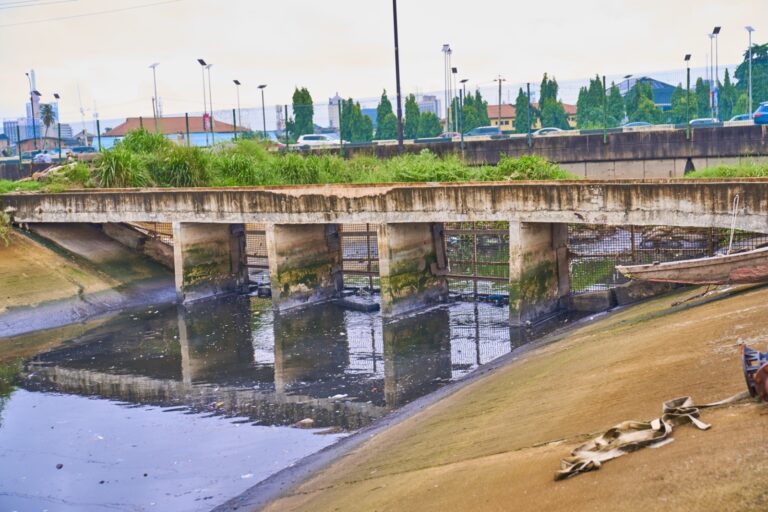
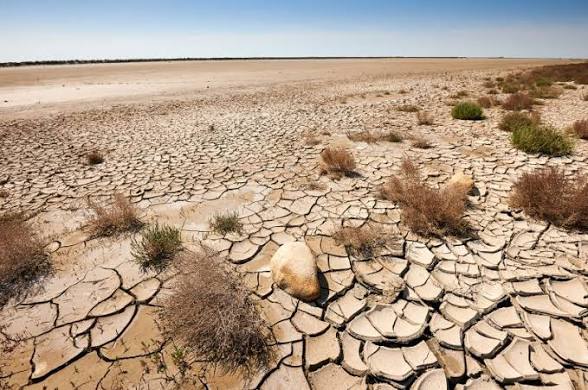
Abuja, Nigeria — Environmental experts have raised alarm over the growing impact of desertification in Northern Nigeria, warning that the crisis is significantly worsening poverty, food insecurity, and social instability across the region.
The concerns were highlighted during a virtual Expert Workshop on Desertification in Northern Nigeria, organised by the Citizens Free Service Forum (CFSF) to commemorate the 2026 World Day to Combat Desertification and Drought.
Speaking at the event, CFSF Executive Director, Comrade Sani Baba, said the workshop aimed to boost public awareness and improve media reporting on environmental challenges and climate impacts.
Baba noted that Nigeria is grappling with multiple environmental threats, including rising sea levels, coastal and gully erosion, biodiversity loss, and deforestation. He revealed that desertification now affects about 45 per cent of the country’s landmass, with northern states losing approximately 350,000 hectares of productive land annually.
He attributed the worsening situation to climate change and unsustainable human activities, warning that desert encroachment is undermining livelihoods and increasing pressure on already vulnerable communities.
According to him, the dramatic shrinkage of Lake Chad—from about 25,000 square kilometres in the 1960s to less than 1,500 square kilometres—has devastated farming and fishing activities, leaving millions facing crop failures, water shortages, and recurring resource-based conflicts.
Baba also expressed concern that desertification remains underreported despite its far-reaching consequences, urging journalists to intensify coverage to drive stronger policy responses and public engagement.
On the economic impact, Mrs Nwadishi Faith, Executive Director of the Centre for Transparency Advocacy, described desertification as a major threat to livelihoods in Northern Nigeria. She said about 43 per cent of Nigeria’s landmass is vulnerable to desert encroachment, with Sokoto, Kebbi, Katsina, Zamfara, Kano, Jigawa, Bauchi, Gombe, Yobe, Borno, and Adamawa among the worst-affected states.
Faith explained that declining soil fertility and vegetation loss are reducing agricultural productivity and household incomes, while women and children are forced to spend longer hours searching for water and fuelwood.
She warned that the crisis is fueling migration, displacement, and tensions between farmers and herders, calling for expanded land restoration programmes, climate-resilient water systems, and greater community participation in environmental governance.
Environmental expert Ayemhenre Kelvin added that desertification is also a labour issue, as reduced agricultural output drives up food prices and increases financial strain on workers. He noted that many rural workers are losing income and employment opportunities, while rising temperatures expose outdoor labourers to heat stress and related health risks.
Kelvin further highlighted that environmental degradation is accelerating rural-urban migration, intensifying competition for limited jobs in urban centres. He called for stronger environmental governance, sustainable land-use practices, and increased investment in rural development.
Addressing gender impacts, Hajia Azizat Mohammed Adangba said desertification is disproportionately affecting women, who play key roles in farming, water collection, and household management. She noted that water scarcity is forcing women and girls to travel longer distances, affecting education, health, and economic productivity.
Adangba linked the crisis to rising school dropouts, early marriages, and increased vulnerability among women and girls. She, however, emphasised that women remain central to climate adaptation efforts, including afforestation, sustainable agriculture, and water conservation.
She called for improved land rights, access to climate finance, and greater inclusion of women in environmental decision-making.
Meanwhile, environmental communication expert Philip Jakpor urged journalists to focus more on the human impact of desertification and climate change. He stressed the need for storytelling that reflects the experiences of affected communities and connects environmental issues to livelihoods, food security, and local economies.
Jakpor also expressed concern over the limited coverage of major interventions such as the Great Green Wall initiative, urging the media to scrutinise policies and avoid superficial reporting.
Here is a polished news report with a strong headline highlighting the critical point:
Desertification Deepens Poverty, Food Insecurity in Northern Nigeria – Experts Warn
Abuja, Nigeria — Environmental experts have raised alarm over the growing impact of desertification in Northern Nigeria, warning that the crisis is significantly worsening poverty, food insecurity, and social instability across the region.
The concerns were highlighted during a virtual Expert Workshop on Desertification in Northern Nigeria, organised by the Citizens Free Service Forum (CFSF) to commemorate the 2026 World Day to Combat Desertification and Drought.
Speaking at the event, CFSF Executive Director, Comrade Sani Baba, said the workshop aimed to boost public awareness and improve media reporting on environmental challenges and climate impacts.
Baba noted that Nigeria is grappling with multiple environmental threats, including rising sea levels, coastal and gully erosion, biodiversity loss, and deforestation. He revealed that desertification now affects about 45 per cent of the country’s landmass, with northern states losing approximately 350,000 hectares of productive land annually.
He attributed the worsening situation to climate change and unsustainable human activities, warning that desert encroachment is undermining livelihoods and increasing pressure on already vulnerable communities.
According to him, the dramatic shrinkage of Lake Chad—from about 25,000 square kilometres in the 1960s to less than 1,500 square kilometres—has devastated farming and fishing activities, leaving millions facing crop failures, water shortages, and recurring resource-based conflicts.
Baba also expressed concern that desertification remains underreported despite its far-reaching consequences, urging journalists to intensify coverage to drive stronger policy responses and public engagement.
On the economic impact, Mrs Nwadishi Faith, Executive Director of the Centre for Transparency Advocacy, described desertification as a major threat to livelihoods in Northern Nigeria. She said about 43 per cent of Nigeria’s landmass is vulnerable to desert encroachment, with Sokoto, Kebbi, Katsina, Zamfara, Kano, Jigawa, Bauchi, Gombe, Yobe, Borno, and Adamawa among the worst-affected states.
Faith explained that declining soil fertility and vegetation loss are reducing agricultural productivity and household incomes, while women and children are forced to spend longer hours searching for water and fuelwood.
She warned that the crisis is fueling migration, displacement, and tensions between farmers and herders, calling for expanded land restoration programmes, climate-resilient water systems, and greater community participation in environmental governance.
Environmental expert Ayemhenre Kelvin added that desertification is also a labour issue, as reduced agricultural output drives up food prices and increases financial strain on workers. He noted that many rural workers are losing income and employment opportunities, while rising temperatures expose outdoor labourers to heat stress and related health risks.
Kelvin further highlighted that environmental degradation is accelerating rural-urban migration, intensifying competition for limited jobs in urban centres. He called for stronger environmental governance, sustainable land-use practices, and increased investment in rural development.
Addressing gender impacts, Hajia Azizat Mohammed Adangba said desertification is disproportionately affecting women, who play key roles in farming, water collection, and household management. She noted that water scarcity is forcing women and girls to travel longer distances, affecting education, health, and economic productivity.
Adangba linked the crisis to rising school dropouts, early marriages, and increased vulnerability among women and girls. She, however, emphasised that women remain central to climate adaptation efforts, including afforestation, sustainable agriculture, and water conservation.
She called for improved land rights, access to climate finance, and greater inclusion of women in environmental decision-making.
Meanwhile, environmental communication expert Philip Jakpor urged journalists to focus more on the human impact of desertification and climate change. He stressed the need for storytelling that reflects the experiences of affected communities and connects environmental issues to livelihoods, food security, and local economies.
Jakpor also expressed concern over the limited coverage of major interventions such as the Great Green Wall initiative, urging the media to scrutinise policies and avoid superficial reporting.
The experts unanimously agreed that desertification remains a critical environmental, economic, and social challenge that requires sustained government intervention and community-driven solutions.
They emphasised that protecting land resources is vital for safeguarding livelihoods, strengthening food security, and promoting peace and sustainable development in Nigeria.
READ ALSO: Emporium Leadership Lecture, Awards 2026 to Spotlight Digital Media’s Role in Nigeria Democracy
Nigeria, Mauritania Move to Strengthen Strategic Partnership, Regional Cooperation
The experts unanimously agreed that desertification remains a critical environmental, economic, and social challenge that requires sustained government intervention and community-driven solutions.
They emphasised that protecting land resources is vital for safeguarding livelihoods, strengthening food security, and promoting peace and sustainable development in Nigeria.
About The Author