
By Fatima Saka
The Executive Secretary of UN Climate Change, Simon Stiell, has declared that accelerating the transition to clean energy is critical to ending the ongoing global fossil fuel cost crisis, warning that continued dependence on fossil fuels is exposing economies to instability and rising costs.
In a video address delivered at the opening of Green Transformation (GX) Week in Yeosu, Stiell said recent geopolitical conflicts, particularly in the Middle East, have intensified volatility in global energy markets, placing a heavy burden on households and businesses worldwide.
He described clean energy as “the antidote to fossil fuel cost chaos,” emphasizing that renewable sources such as solar and wind are not subject to disruptions caused by war or fragile supply chains.
“Wars don’t disrupt the supply of sunlight for solar power, and wind power does not depend on vulnerable shipping straits,” Stiell noted, adding that renewable energy offers countries greater control over their economies and national security.
The GX Week is being held alongside UN Climate Week, a global platform aimed at translating climate commitments into practical, on-the-ground solutions. Both events are focused on mobilizing governments, businesses, and civil society to accelerate climate action and drive sustainable development.
Stiell stressed that the current energy crisis should serve as a turning point for countries to avoid locking in fossil fuel infrastructure, particularly coal, while responding to immediate energy needs. He warned that failure to transition quickly could leave economies lagging behind in a rapidly evolving global market.
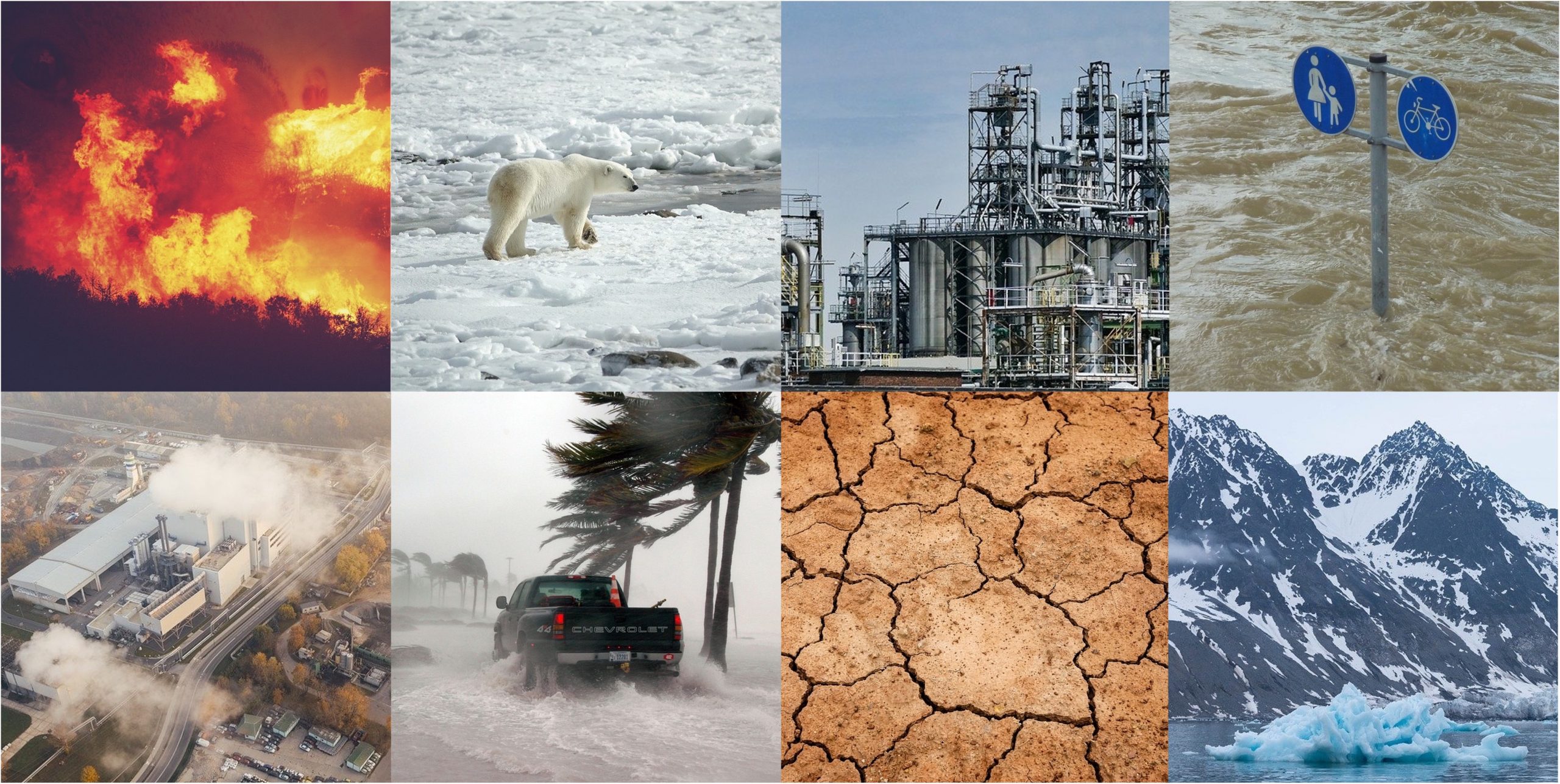
He further highlighted that climate change impacts—including floods, storms, and extreme heat—are already damaging economies, increasing inflation, and disrupting livelihoods, making urgent climate action not only an environmental necessity but an economic imperative.
According to him, the global market for climate solutions is set to expand significantly, with major Asian economies already integrating clean energy into their growth and security strategies.
“The market for climate solutions will only grow,” he said, noting that investments in clean infrastructure could unlock major economic opportunities, especially for technologically advanced nations.
Stiell also commended South Korea’s green transformation strategy, describing it as a model for leveraging decarbonisation to drive economic growth, job creation, and competitiveness.
He said UN Climate Week would bring together negotiators, policymakers, and industry leaders to fast-track the implementation of climate pledges made under global agreements, including those from recent COP meetings.
“UN climate weeks are just one way we are working to help translate COP decisions and pledges into concrete outcomes in communities,” he said.
READ ALSO: Guterres Warns of Fossil Fuel-Driven Economic Crisis, Urges Urgent Global Shift to Clean Energy
NiDCOM Issues Urgent Safety Advisory of Anti-Foreigner Protests Escalate in South Africa
The climate chief urged governments and stakeholders to seize the opportunities presented by the clean energy transition, stressing that faster action would deliver long-term benefits including stronger economies, improved public health, and more secure energy systems.
GX Week and UN Climate Week in Yeosu are expected to culminate in key discussions at the Implementation Forum, where stakeholders will explore strategies to scale up climate solutions globally.
About The Author