By Fatima Saka
The Nigeria Hydrological Services Agency (NiHSA) has called for urgent action to improve drainage infrastructure, protect natural waterways and channelise critical water channels following recent flash floods that ravaged several parts of the Federal Capital Territory (FCT).
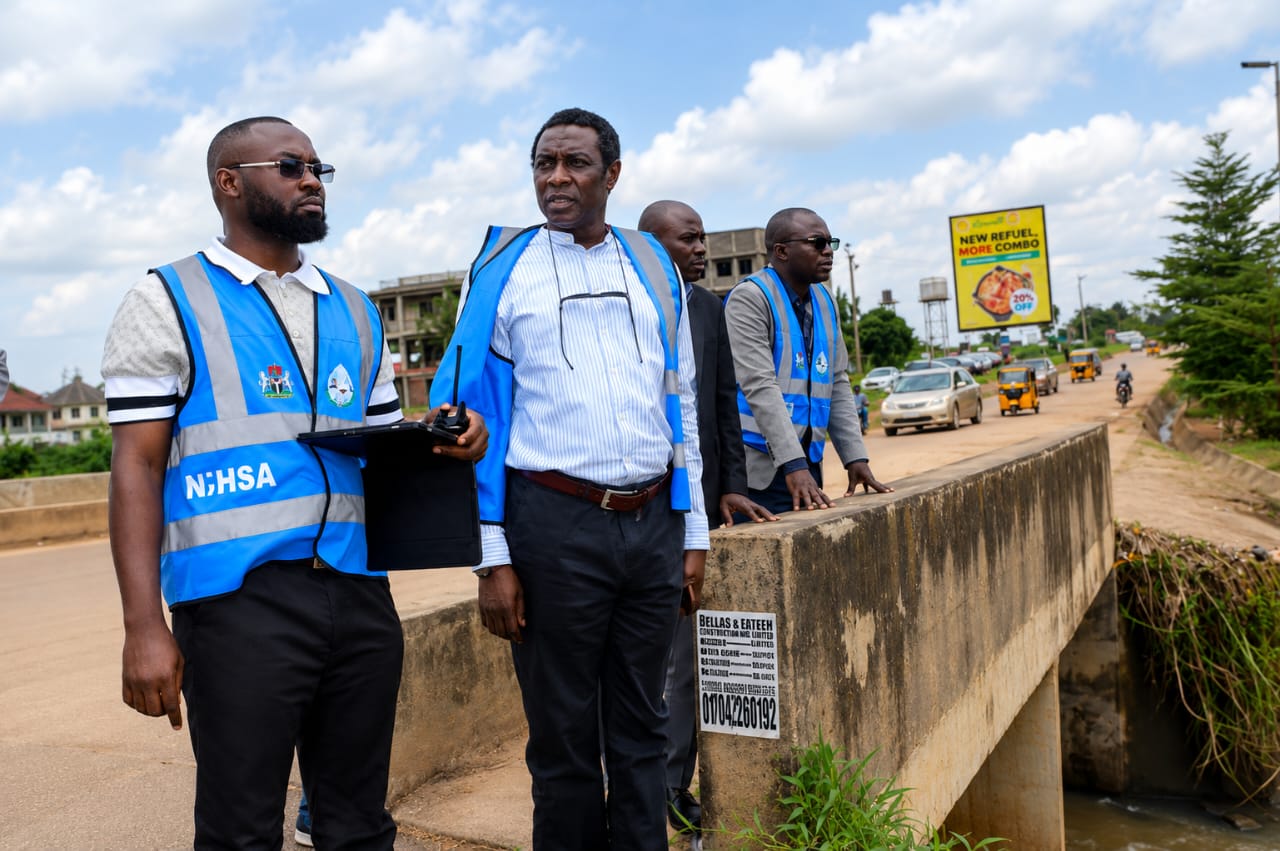
The Director-General/Chief Executive Officer of NiHSA, Umar Ibrahim Mohammed, made the call during a technical assessment tour of flood-affected areas in Abuja on Monday.
The assessment, led by Mohammed, focused on determining the extent of the flooding, its impact on communities and infrastructure, as well as factors responsible for the rapid accumulation and movement of floodwater.
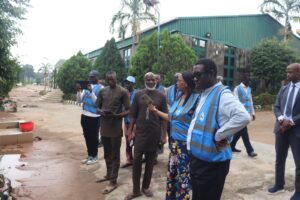
At Efab Estate, Lokogoma, residents narrated the devastating impact of recurring floods on the community.
The Vice Chairman of the estate, Mr. Victor Esenyi, expressed concern over houses located in flood-prone areas and inadequate drainage infrastructure, saying residents had repeatedly written to relevant authorities seeking intervention.
According to him, the community has experienced repeated flooding over the years, with residents witnessing the recovery of bodies after previous flood incidents.
Another resident, Engr. Niyi Ajayi, said the volume and speed of runoff during intense rainfall had placed enormous pressure on the existing drainage system, leading to submerged roads and putting several houses at risk.
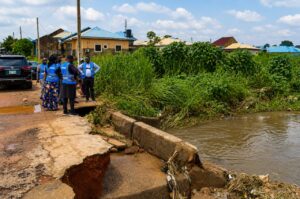
The NiHSA team also inspected a major water channel connected to the Lugbe axis, as well as damaged bridges and other structures capable of obstructing the free flow of stormwater.
Mohammed advised the estate management to formally write to the agency, detailing the flooding challenges, assuring that NiHSA would engage the developer and relevant stakeholders towards finding an appropriate solution.
The team later visited the Gudu area, where the Delight Event Centre was heavily affected, while the bridge linking Gaduwa and Durumi was inundated, leaving motorists stranded.
A customer at the event centre, Mr. Julius Okoro, said the flood occurred less than a minute after heavy rainfall, as the volume and speed of water overwhelmed the existing drainage system.
He said about 74 vehicles were submerged, although no loss of life was recorded.
NiHSA attributed the severity of the flash floods not only to heavy rainfall but also to rapid urbanisation, inadequate drainage capacity, obstruction of natural waterways, development on floodplains and poor waste management.
Residents also raised concerns over the conversion of designated waterways for residential and commercial developments, warning that the loss of natural water-retention spaces could increase surface runoff and place greater pressure on drainage facilities.
The flooding affected several parts of the FCT, including Wuse 2, Katampe, Mabushi, Lugbe, Gwarinpa, Nyanya, Asokoro, Maitama, Utako, Wuye, Gudu and the Gaduwa-Durumi axis.
Mohammed said the assessment would provide critical technical information to guide appropriate interventions and strengthen flood preparedness across Abuja.
He recommended the channelisation of critical waterways, construction of bridges, improvement of drainage infrastructure and stronger protection of natural water channels.
The NiHSA boss also stressed the need for strict enforcement of planning regulations to prevent developments that obstruct natural drainage routes and floodplains.
He called for stronger collaboration among FCT authorities, urban planners, emergency management agencies, communities and other stakeholders to address flood risks proactively.
NiHSA reiterated that its Annual Flood Outlook and other hydrological advisories remained important early-warning tools for governments, communities and stakeholders in preparing for and reducing flood risks.
READ ALSO: MURIC Requests Visit to El-Rufai in ICPC Custody
Navy hands over 364 bags of foreign rice to customs in Badagry
The agency urged residents to take flood warnings seriously, keep drainage channels free of refuse, avoid building or settling along waterways and floodplains, and refrain from driving or walking through floodwater.
NiHSA reaffirmed its commitment to strengthening hydrological monitoring, early warning, technical assessment and evidence-based flood risk management to build safer and more resilient communities across Nigeria.
About The Author