By Fatima Saka
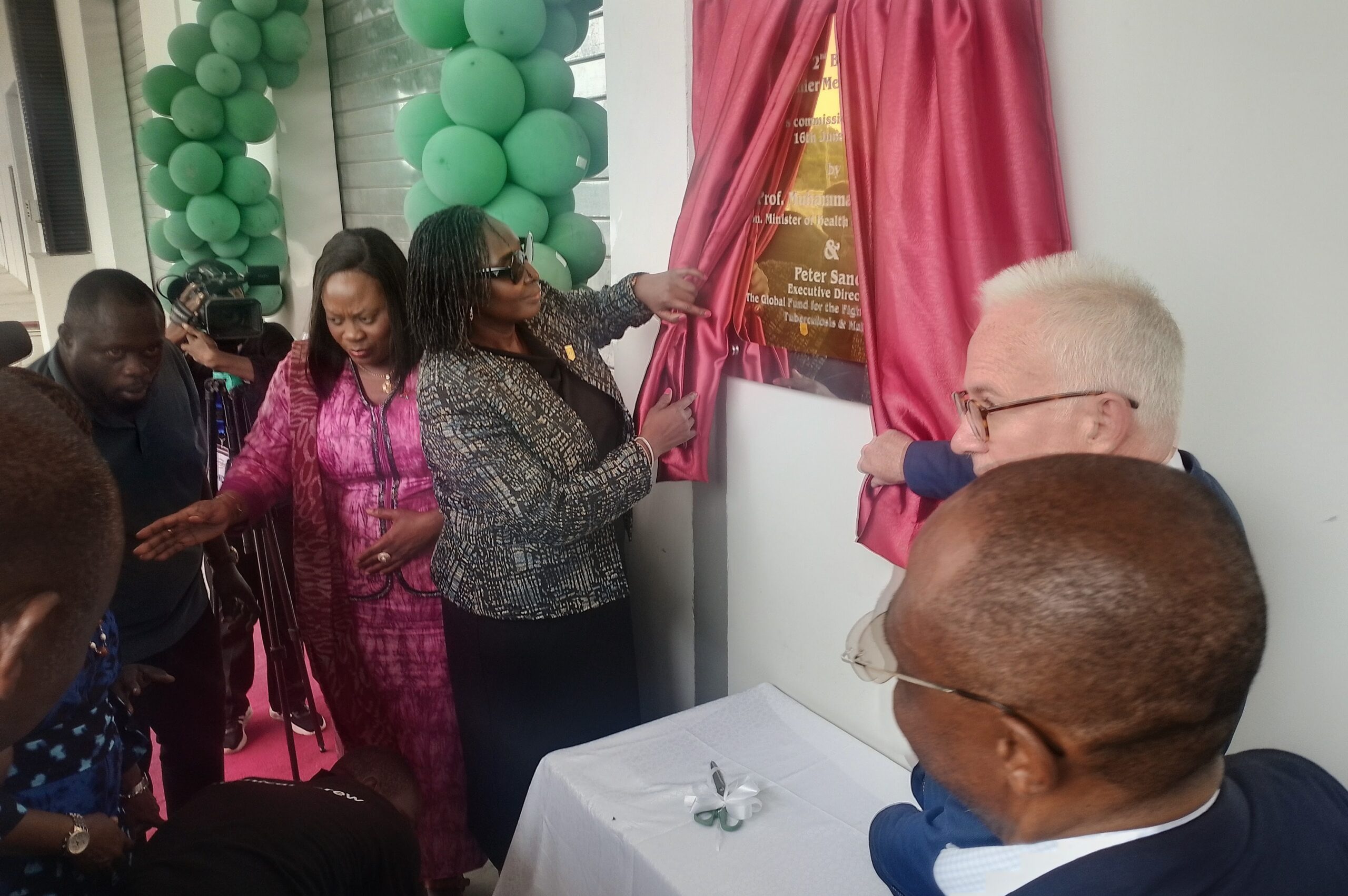
Abuja, Nigeria — The Federal Government of Nigeria, through the Federal Ministry of Health and Social Welfare in partnership with the Global Fund, has commissioned the expanded Abuja Premier Medical Warehouse, marking a major milestone in strengthening the country’s health commodities supply chain.
The Abuja Premier Medical Warehouse serves as a central hub for the storage and distribution of essential medicines, vaccines, and other public health commodities. The expanded facility significantly boosts national storage capacity, enhances inventory management, and improves the efficiency of distributing life-saving supplies to health facilities across the country. It forms part of a broader intervention that includes the construction and upgrade of 22 warehouses across 21 states, aimed at ensuring commodity security and strengthening Nigeria’s health logistics system.
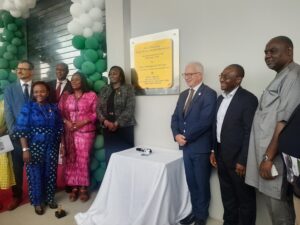
During the unveiling ceremony on Tuesday in Abuja, the Coordinating Minister of Health and Social Welfare, Professor Muhammad Ali Pate, who was represented by the Permanent Secretary, Daju Kachollom, described the project as a critical national asset for improving healthcare delivery and safeguarding public health commodities.
Kachollom said the initiative goes beyond infrastructure, stressing the importance of trained personnel, efficient systems, and technology in ensuring that medicines and vaccines reach Nigerians in optimal condition.
“This is not just about infrastructure; it is about the people, the systems, and the technology that ensure commodities are delivered safely and efficiently to save lives,” she said.
She expressed appreciation to the Global Fund and other development partners for their continued support, noting that the project, which began in April 2025, reflects the success of sustained collaboration.
In his remarks, the Executive Director of the Global Fund, Mr. Peter Sands, said the warehouse represents a broader investment in strengthening Nigeria’s health logistics infrastructure across multiple states.
“You cannot have an effective health system in a country as large and diverse as Nigeria without a robust and reliable supply chain,” Sands said. “While infrastructure is important, it must be supported by trained personnel, good governance, and efficient systems to deliver impact.”
He added that supply chain systems are often overlooked when they function properly but are critical in preventing stockouts, wastage, and diversion of medical supplies.
Also speaking, the Director of Food and Drug Services, Mrs. Olufowobi-Yusuf Adeola, described the project as a “game-changer” for Nigeria’s health sector, noting that it is part of a nationwide effort covering 21 states and 22 warehouses.
She commended partners including UNICEF, contractors, and implementing agencies for their professionalism and commitment, stressing that the project demonstrates the power of collaboration in addressing critical health infrastructure gaps.
The World Health Organization (WHO) Representative in Nigeria, Dr. Pavel Ursu, said the warehouse is a foundational building block for a resilient health system, emphasizing that it will support not only disease-specific programmes but the overall performance of the health sector.
He highlighted the importance of consistency in implementation, noting that the project’s journey from conception to completion reflects strong coordination and commitment among stakeholders.
A representative of the Gates Foundation, Dr. Okafor Kati Chukwu, said the investment aligns with the foundation’s goals of reducing maternal and child mortality, eliminating infectious diseases, and addressing poverty.
“Commodity security is central to achieving these goals, and this warehouse will strengthen last-mile delivery and improve visibility of health supplies across Nigeria,” he said.
Also, the Deputy Representative (Operations) of UNICEF, Mr. Charles Opikoli Lolika, described the project as a significant contribution to strengthening Nigeria’s health supply chain system.
He noted that the expanded Abuja warehouse and similar facilities across 21 states are expected to benefit about 149 million Nigerians, including approximately 68 million children, by improving storage capacity, inventory management, and distribution efficiency.
Lolika added that the partnership between UNICEF and the Global Fund is also supporting the upgrade of over 150 primary healthcare centres, further improving access to quality health services.
He commended the Federal Ministry of Health and Social Welfare, national programmes, and other partners for their leadership and collaboration in delivering the project.
READ ALSO: Stranded Nigerians in South Africa: NUSA Urges Tinubu to Intervene Over Delayed Repatriation
WINSEC Summit 2026: AIT Affirm Live Broadcast to Promote Nigerian Women
Stakeholders including representatives from development agencies, civil society, and implementing partners reiterated their commitment to sustaining the gains and expanding similar initiatives nationwide.
The Federal Government reaffirmed its commitment to maintaining the facility and called on development partners to scale support to other states, with a view to ensuring equitable access to quality healthcare and achieving universal health coverage in Nigeria.
About The Author