By Fatima Saka
The Wife of the Anambra State Governor, Nonye Soludo, has described malaria as a preventable yet persistent public health challenge, particularly affecting children and pregnant women, and called for renewed collective action to combat the disease.
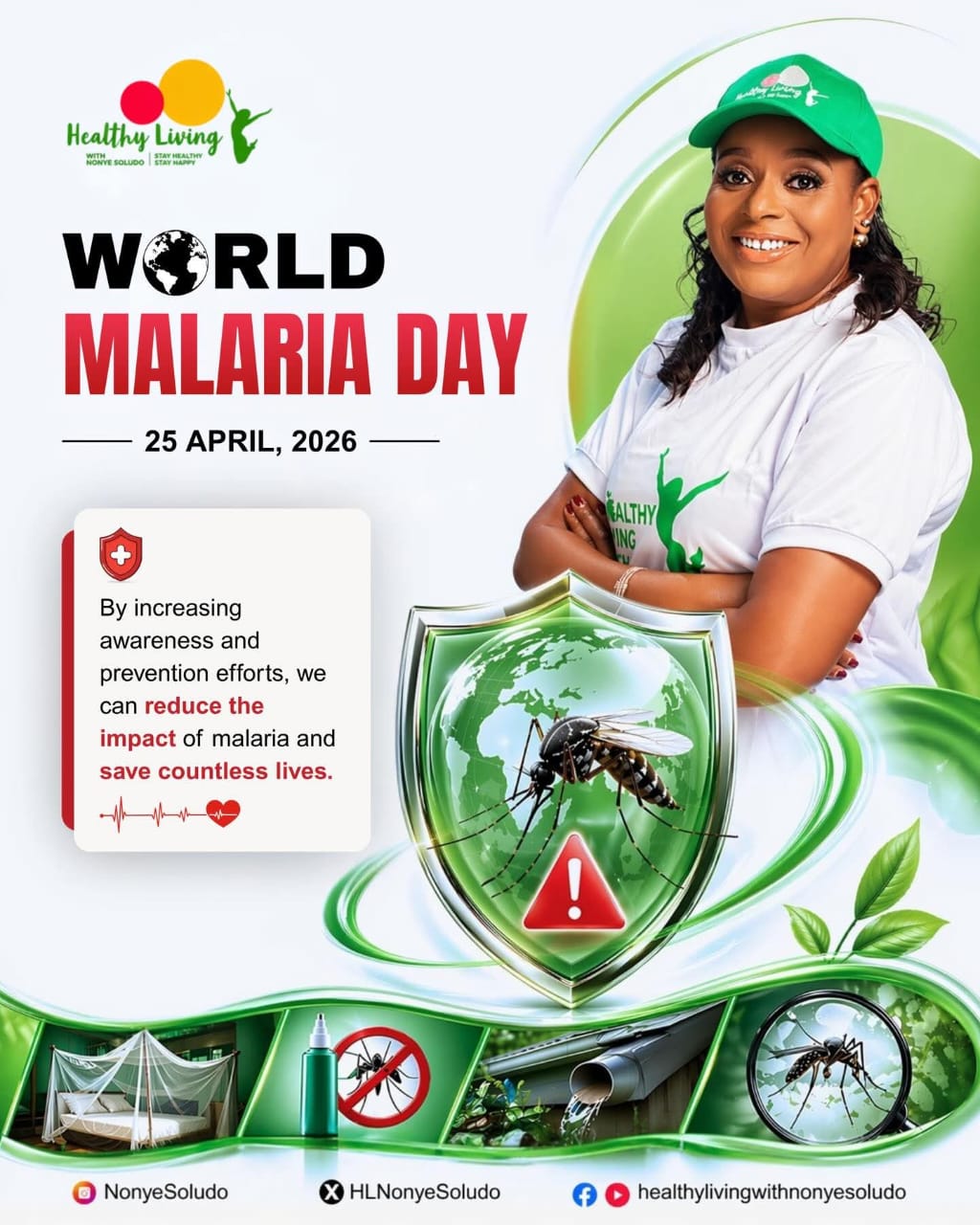
In a message on Saturday to commemorate World Malaria Day, observed annually on April 25, Soludo stressed the need for sustained awareness, coordinated efforts and shared responsibility among individuals, families and government institutions.
Marking the 2026 theme, “Driven to End Malaria: Now We Can. Now We Must,” she underscored the urgency of intensifying efforts to eliminate the disease, which continues to pose significant health risks globally and in Nigeria.
Soludo highlighted that simple but effective preventive measures—such as the use of insecticide-treated mosquito nets, maintaining clean environments and seeking prompt medical care—remain critical in reducing malaria infections and saving lives.
She noted that the Anambra State Government remains committed to supporting initiatives that promote healthier living and reduce the burden of malaria across communities.
According to her, achieving a malaria-free society requires active participation from all stakeholders, including residents, healthcare providers and policymakers.
“A malaria-free society is possible. Now we can. Now we must,” she said, urging citizens to take personal responsibility in the fight against the disease.: Nonye Soludo Calls for Collective Action to End Preventable Disease
By Fatima Saka
The Wife of the Anambra State Governor, Nonye Soludo, has described malaria as a preventable yet persistent public health challenge, particularly affecting children and pregnant women, and called for renewed collective action to combat the disease.
In a message on Saturday to commemorate World Malaria Day, observed annually on April 25, Soludo stressed the need for sustained awareness, coordinated efforts and shared responsibility among individuals, families and government institutions.
Marking the 2026 theme, “Driven to End Malaria: Now We Can. Now We Must,” she underscored the urgency of intensifying efforts to eliminate the disease, which continues to pose significant health risks globally and in Nigeria.
Soludo highlighted that simple but effective preventive measures—such as the use of insecticide-treated mosquito nets, maintaining clean environments and seeking prompt medical care—remain critical in reducing malaria infections and saving lives.
She noted that the Anambra State Government remains committed to supporting initiatives that promote healthier living and reduce the burden of malaria across communities.
Dabiri-Erewa Hails E.J. Anosike’s Historic Clean Sweep in China’s NBL
According to her, achieving a malaria-free society requires active participation from all stakeholders, including residents, healthcare providers and policymakers.
“A malaria-free society is possible. Now we can. Now we must,” she said, urging citizens to take personal responsibility in the fight against the disease.
About The Author