The Federal Road Safety Corps (FRSC) has attributed thousands of road traffic crashes in Nigeria to speeding and human recklessness, revealing that 3,445 persons lost their lives in 7,156 crashes between January and September 2026.
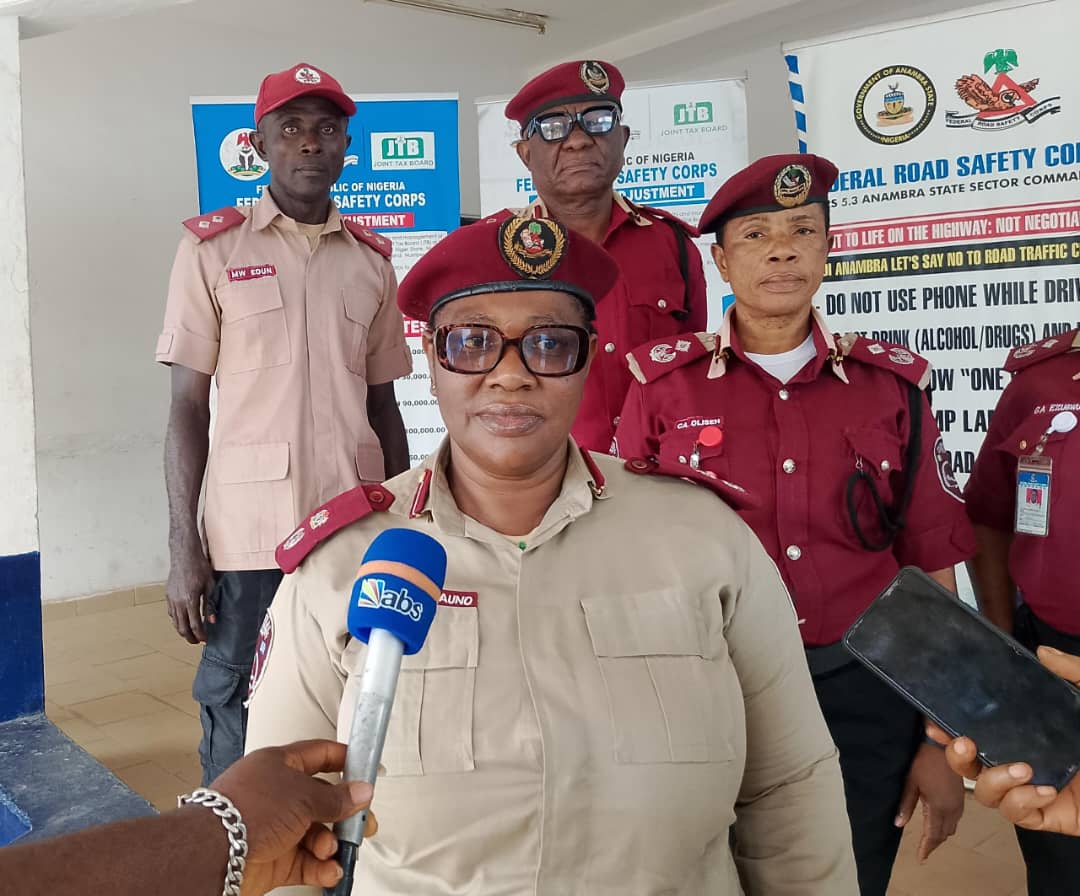
The Corps Marshal, Mr Shehu Mohammed, disclosed this in an address delivered by the Anambra Sector Commander, Corps Commander Bridget Asekhauno, at a news conference in Awka to mark the 2026 World Day of Remembrance for Road Traffic Victims.
Mohammed said the crashes also left 22,292 persons injured, describing the figures as more than statistics because they represented lives lost, grieving families and distressed communities.
“These are not just numbers; they represent human lives lost, families thrown into mourning and communities left in distress,” he said.
Providing a breakdown of road crash statistics over the past three years, the Corps Marshal said Nigeria recorded 10,617 crashes in 2023, resulting in 5,081 deaths and 31,874 injuries.
He said the number of crashes declined by 10 per cent to 9,570 in 2024, but fatalities increased by seven per cent to 5,421, while 31,154 persons sustained injuries.
According to him, 10,446 crashes were recorded in 2025, claiming 5,289 lives and leaving 33,400 persons injured.
He said the figures highlighted the urgent need for collective action to improve road safety, particularly the protection of vulnerable road users, including children and young people.
Mohammed said the FRSC had intensified public enlightenment campaigns through churches, mosques, schools and the media, while deploying data from its Road Traffic Crash Database Management System to identify high-risk locations for enforcement, surveillance and rescue operations.
He said the 2026 World Day of Remembrance for Road Traffic Victims was being commemorated under the theme, “A Light That Unites Us”, with the decade’s slogan, “Remember. Support. Act.”
He explained that the annual commemoration was an opportunity to remember those killed or seriously injured in road crashes, recognise emergency responders and advocate improved support for victims and their families.
Speaking on activities lined up for the commemoration in Anambra, Asekhauno said the command would visit road crash victims in hospitals and conduct sensitisation campaigns in churches, mosques and schools.
She said the programme would also feature visits to traditional rulers, engagements with transport operators at motor parks and drug tests for drivers.
“Many families have lost loved ones to road crashes. This is an opportunity to talk to our drivers and other road users about the need to make safety a priority,” she said.
Asekhauno urged motorists to avoid speeding, install speed-limiting devices in their vehicles and refrain from night driving because of poor visibility and the possibility of delayed emergency response.
She warned that poor visibility at night could make it difficult for other road users to identify danger and for crash victims to receive prompt assistance.
The Sector Commander also urged members of the public to use the FRSC emergency line to report road crashes, stressing that delays in accessing emergency assistance could result in avoidable deaths.
“Many people, due to lack of prompt assistance, bleed to death before help arrives,” she said.
She advised pedestrians to observe proper road-crossing procedures and urged motorists and other road users to avoid behaviours that could endanger lives.
Asekhauno expressed concern that poor road-use attitudes, fatigue and driving under the influence of alcohol remained major challenges despite the FRSC’s sustained interventions.
On the ongoing Ember Months operations, she said the command was combining public enlightenment with enforcement of traffic regulations to reduce crashes during the festive season.
She identified overloading as a major concern during the period, noting that some motorists transported building materials, goods and livestock alongside passengers as people prepared for Christmas celebrations.
According to her, the rush to transport goods and meet year-end targets could also create distractions and increase the risk of road crashes.
She warned that improperly secured loads could become dangerous objects during accidents, causing additional injuries and deaths.
“When there is a crash, these loads become weapons that could cause more casualties,” she said.
Describing the Ember Months as a period of heightened human and commercial activities rather than a mysterious season, Asekhauno said increased movement of people and goods required greater caution from motorists.
READ ALSO: 24 Retired Lagos Detectives Get N6m Dangote Shares in Reward for 35 Years of Service
Yaba Sweeps Sprint Titles as Opebi, Ago Palace Triumph at i-Fitness GameFest
“Ember Months are not mysterious months. It is simply a period when too many activities take place at the same time,” she said.
She urged motorists to obey traffic regulations, avoid overloading and drive responsibly, stressing the need for everyone to prioritise safety.
“We want our people to be careful so that we can all
About The Author