By Fatima Saka
The Movement Adebayo for President (MAP) has urged Nigerians to scrutinise presidential candidates’ policy proposals ahead of the 2027 general election, stressing the need to assess their plans for tackling poverty, insecurity and economic challenges.
The group made the call while presenting the Social Democratic Party (SDP) presidential candidate, Adewole Adebayo, and his manifesto, Farewell to Poverty and Insecurity, as a framework for addressing Nigeria’s development challenges, in a statement issued by the Movement Adebayo for President, which describes its campaign slogan as “The Roadmap to a New Nigeria.”
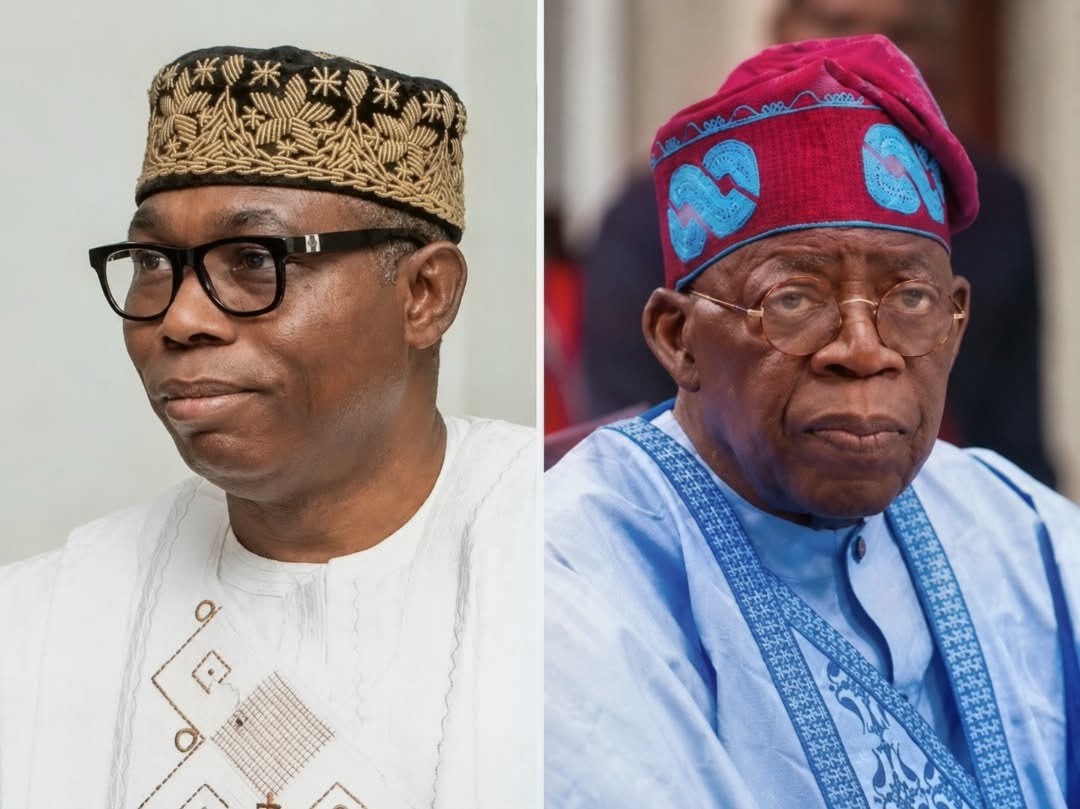
The statement titled “Choosing Between President Tinubu and Citizen Adebayo: A Social Democratic Manifesto That Signposts National Redemption,” MAP urged voters to look beyond political affiliations and examine candidates’ governing philosophies, policy commitments and proposed solutions to the country’s problems.
The group also criticised President Bola Tinubu over his reported decision not to participate directly in the All Progressives Congress (APC) presidential campaign tour, arguing that candidates should engage with voters and explain their policy proposals.
According to MAP, the reported decision to concentrate on governance while the APC Presidential Campaign Council campaigns on the President’s behalf raises questions about direct engagement between presidential candidates and the electorate.
The group further urged APC governors and party leaders to prioritise national interests in their political calculations, citing Nigeria’s economic difficulties and security challenges.
Manifesto Targets Poverty, Insecurity
MAP described Adebayo’s manifesto, Farewell to Poverty and Insecurity, as a comprehensive policy document designed to tackle poverty, strengthen national security and improve citizens’ access to essential services.
According to the group, the manifesto identifies 12 priority areas: national security, food security, electricity, affordable energy, jobs and enterprise, education and skills development, healthcare, modern infrastructure, innovation, transparent government, national unity and Nigeria’s international relations.
MAP said the document outlines strategies for moving Nigeria from poverty to prosperity while improving security and access to basic services.
It added that the manifesto includes a four-year implementation framework with measurable targets intended to track progress and provide a basis for evaluating the performance of a potential Adebayo administration.
First 100 Days: MAP Highlights Proposed Reforms
The group said Adebayo’s proposed first 100 days in office would focus on establishing mechanisms for monitoring government performance, assessing national challenges and strengthening accountability across public institutions.
The proposed measures include establishing a Presidential Delivery and Performance Office and directing ministries, departments and agencies to implement the objectives of Chapter II of the 1999 Constitution.
The framework also proposes baseline assessments of the security, power, food, health, education and infrastructure sectors to identify priority areas requiring government intervention.
Other proposed measures include greater transparency in public procurement and expenditure, delivery agreements between the Federal Government and state governments, and the publication of a presidential performance dashboard.
MAP said the initiatives were intended to improve accountability and enable Nigerians to track government commitments and assess implementation.
Jobs, Agriculture, Power Top Priorities
For the first year, the manifesto proposes measures to improve security, stabilise essential services, expand agricultural production, strengthen domestic energy supply and initiate priority electricity and transport projects.
It also identifies youth skills development and employment programmes as part of efforts to expand economic opportunities.
For the second and third years, the plan envisages expanding industrial clusters and infrastructure projects, improving electricity distribution and investing in irrigation, food storage and processing.
The proposed investments also cover pharmaceutical production, technology, manufacturing, rail transportation, broadband, housing and water supply.
According to MAP, the fourth year would focus on completing priority projects, strengthening successful programmes through permanent institutions, publishing audited performance reports and presenting Nigerians with an end-of-term performance scorecard.
The group said the phased approach was designed to establish clear implementation priorities and provide a basis for measuring progress against the administration’s commitments.
Constitution, Social Democracy at the Centre
MAP identified social democracy, cooperative federalism, evidence-based governance, public-private sector collaboration and citizen participation as key principles underpinning Adebayo’s proposed administration.
It said Chapter II of the 1999 Constitution, which contains the Fundamental Objectives and Directive Principles of State Policy, would serve as a central reference point for the proposed governance framework.
The group also highlighted transparency, accountability and the provision of basic necessities as essential components of the manifesto.
It maintained that the proposals offered a framework for addressing Nigeria’s development challenges, while urging voters to examine the details and compare the policy commitments of presidential candidates ahead of the election.
MAP Calls for Public Engagement
MAP called on Nigerians interested in Adebayo’s proposed development agenda to obtain copies of the manifesto and engage with its policy proposals.
READ ALSO: NUJ FCT Hails Benjamins-Laniyi for Promoting Women’s Leadership in Media
Okpebholo’s Security Offensive Delivers Gains, Restores Confidece in Edo North
The group said the document could be requested through farewell2poverty@gmail.com.
It also urged citizens to participate actively in the political process and assess candidates based on their proposed solutions to the country’s economic, security and governance challenges.
About The Author