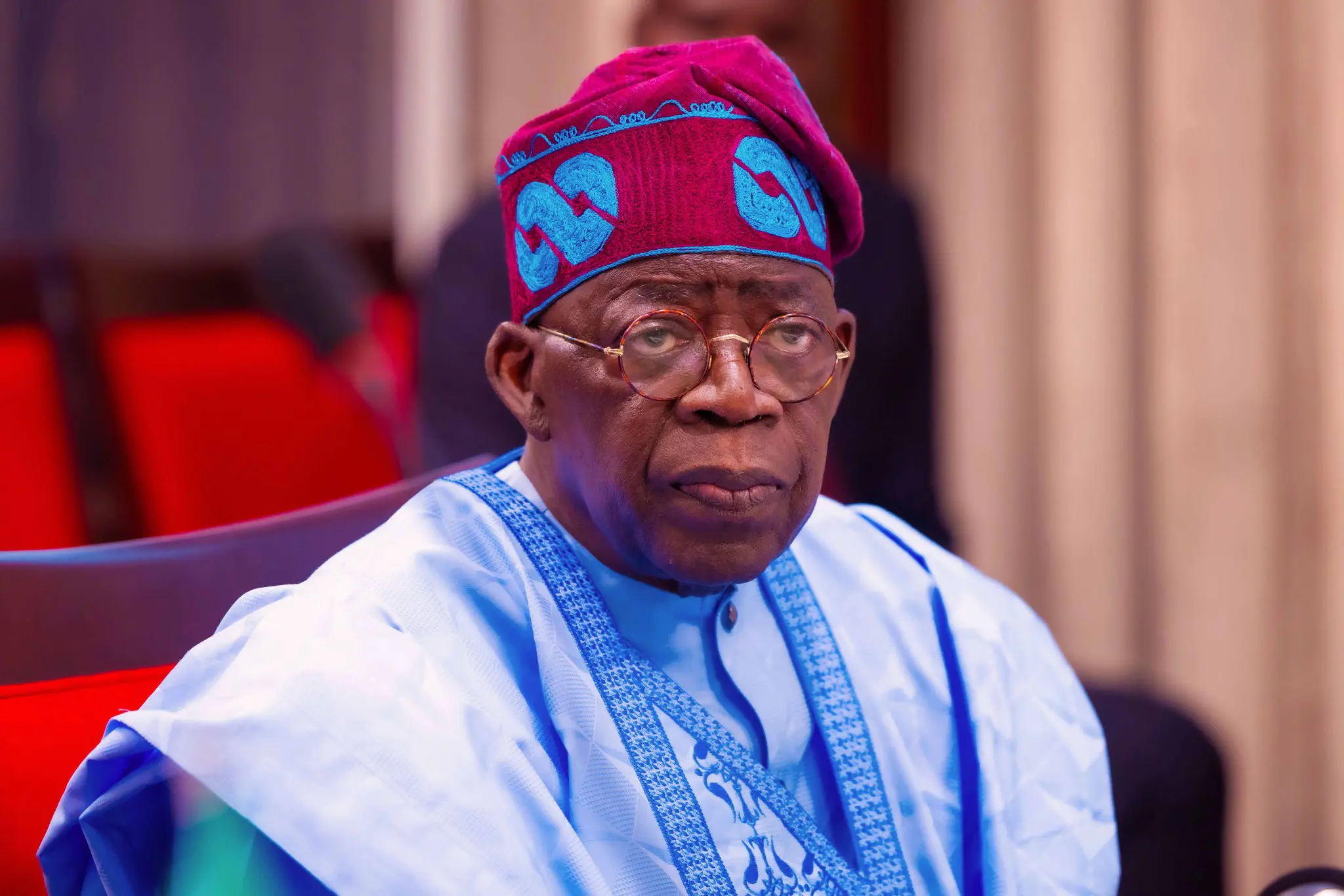
President Bola Ahmed Tinubu has signed into law the 2026 Appropriation Bill totaling ₦68.32 trillion, while also approving an extension of the 2025 budget implementation period to June 30, 2026, in a move aimed at sustaining fiscal stability and completing critical projects.
The newly assented budget allocates ₦4.799 trillion for statutory transfers, ₦15.8 trillion for debt servicing, ₦15.4 trillion for recurrent expenditure, and ₦32.2 trillion to the Development Fund for capital projects.
According to a statement issued by presidential spokesman Bayo Onanuga, the budget structure reflects a strategic emphasis on capital expenditure, which accounts for about 50 per cent of the total outlay. This, he noted, underscores the administration’s commitment to infrastructure development, economic growth, national security, and improved living standards.
The President also signed the Appropriation (Repeal and Enactment) (Amendment) Bill, 2026, extending the lifespan of the 2025 budget’s capital component from March 31 to June 30, 2026. The extension is expected to allow Ministries, Departments, and Agencies (MDAs) to complete ongoing projects and ensure optimal utilisation of public funds.
Officials said the extension would particularly benefit infrastructure and development initiatives already at advanced stages, improving project completion rates and enhancing value for money.
With the 2026 Appropriation Act taking effect from April 1, the Federal Government is set to commence full implementation in line with the administration’s Renewed Hope Agenda.
President Tinubu directed all MDAs to adhere strictly to principles of transparency, discipline, and efficiency in the use of allocated resources, stressing the need for timely execution of projects.
READ ALSO: FG Moves Against Fake ‘Ambassadors’, Declares Unauthorized Diplomatic Titles Criminal
Mediation committee appeals for calm among aggrieved Ijaw people
He also commended the National Assembly for the swift passage of the budget, highlighting the importance of continued synergy between the executive and legislative arms in driving national development.
Reaffirming his administration’s fiscal priorities, the President assured Nigerians of ongoing efforts to deepen reforms, boost revenue generation, create jobs, and strengthen social protection systems.
About The Author