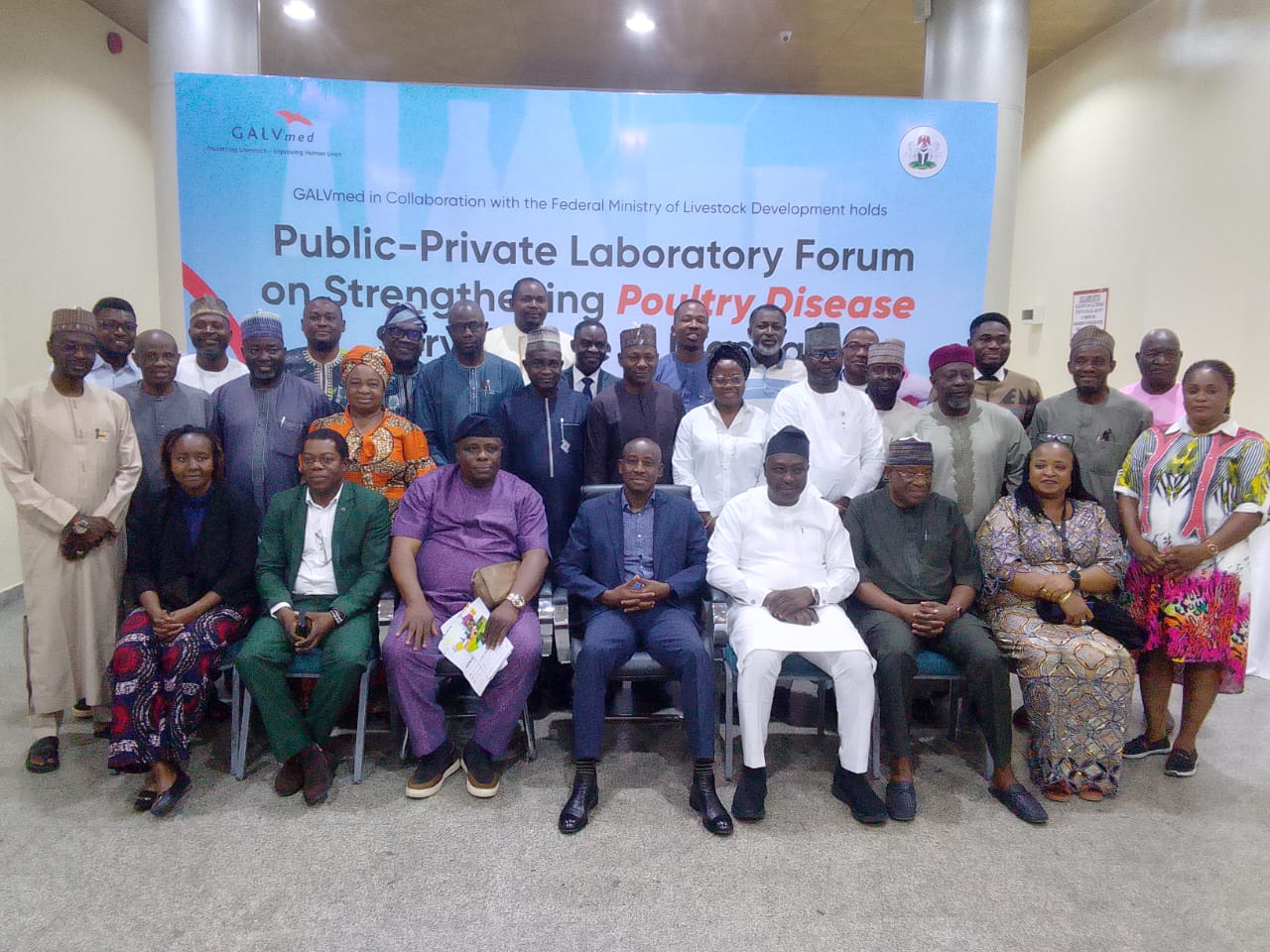
Abuja — Stakeholders in Nigeria’s livestock sector have called for the integration of private veterinary laboratories into the national animal disease surveillance system, stressing that such collaboration is critical to improving early detection, reporting, and response to disease outbreaks.
The call was made during a stakeholders’ meeting on strengthening Nigeria’s veterinary laboratory network held in Abuja, where experts emphasised that a unified approach involving federal, state, local government, and private laboratories would significantly enhance surveillance data collection and national preparedness.
Director of Infectious and Transboundary Animal Diseases at the National Veterinary Research Institute (NVRI), Professor Clement Meseko, underscored the importance of collaboration across all levels of laboratory services. He noted that private laboratories, due to their proximity to livestock farmers, play a crucial role in early detection of disease outbreaks.
“It is very important that we strengthen collaboration between government laboratories and, more importantly, private laboratories,” Meseko said. “Private labs are often the first point of contact and can quickly collect and forward samples to state or national reference laboratories.”
He added that integrating data from both public and private sources would provide the government with comprehensive information necessary for effective planning and disease control. Meseko also called for incentives and capacity-building support for private laboratories to encourage participation in the surveillance system.
Country Manager of the Global Alliance for Livestock Veterinary Medicines (GALVmed) Nigeria, Moses Arokoyo, identified poor reporting and fragmented data systems as major challenges undermining disease surveillance in the country.
“What we have seen is a lack of data integration. If an event is not recorded, it is assumed not to have happened,” Arokoyo said. “Harmonising data from both public and private laboratories will position Nigeria to better predict and respond to disease outbreaks.”
He noted that GALVmed is supporting efforts to improve data integration through the National Animal Disease Information Service (NADIS), but stressed that reporting gaps remain a major concern.
President of the Veterinary Council of Nigeria, Matthew Adamu, called for increased government investment in veterinary laboratory infrastructure, particularly at state and local government levels. He emphasised the need for well-equipped veterinary teaching hospitals and continuous training of personnel to meet international standards.
Also speaking, the Chief Veterinary Officer of Nigeria, Dr. Samuel Anzaku, represented by Dr. Adeniyi Adedoyin, expressed concern over persistent under-reporting of animal diseases despite existing legal frameworks.
“Why do we have multiple laboratories generating data, yet everyone keeps their data to themselves?” he queried. “Despite the Animal Disease Control Act mandating reporting through NADIS, under-reporting has persisted for over a decade. Without a paradigm shift, progress will remain limited.”
Director General of the Poultry Association of Nigeria, Dr. Onallo Akpa, highlighted the economic importance of the poultry sector and called for greater investment in research and laboratory capacity to tackle endemic diseases such as Newcastle Disease.
READ ALSO: Senate on Customs Hails ICT Reforms After Two-Day Retreat in Abuja
FG, Lagos Deepen Alliance on Flood Control
“When diseases devastate poultry farms, it becomes a serious threat to livelihoods and the industry as a whole,” Akpa said.
Stakeholders concluded that strengthening collaboration among government institutions, veterinary teaching hospitals, and private laboratories is essential to improving disease surveillance, ensuring early detection, and building a more resilient livestock health system in Nigeria.
About The Author